

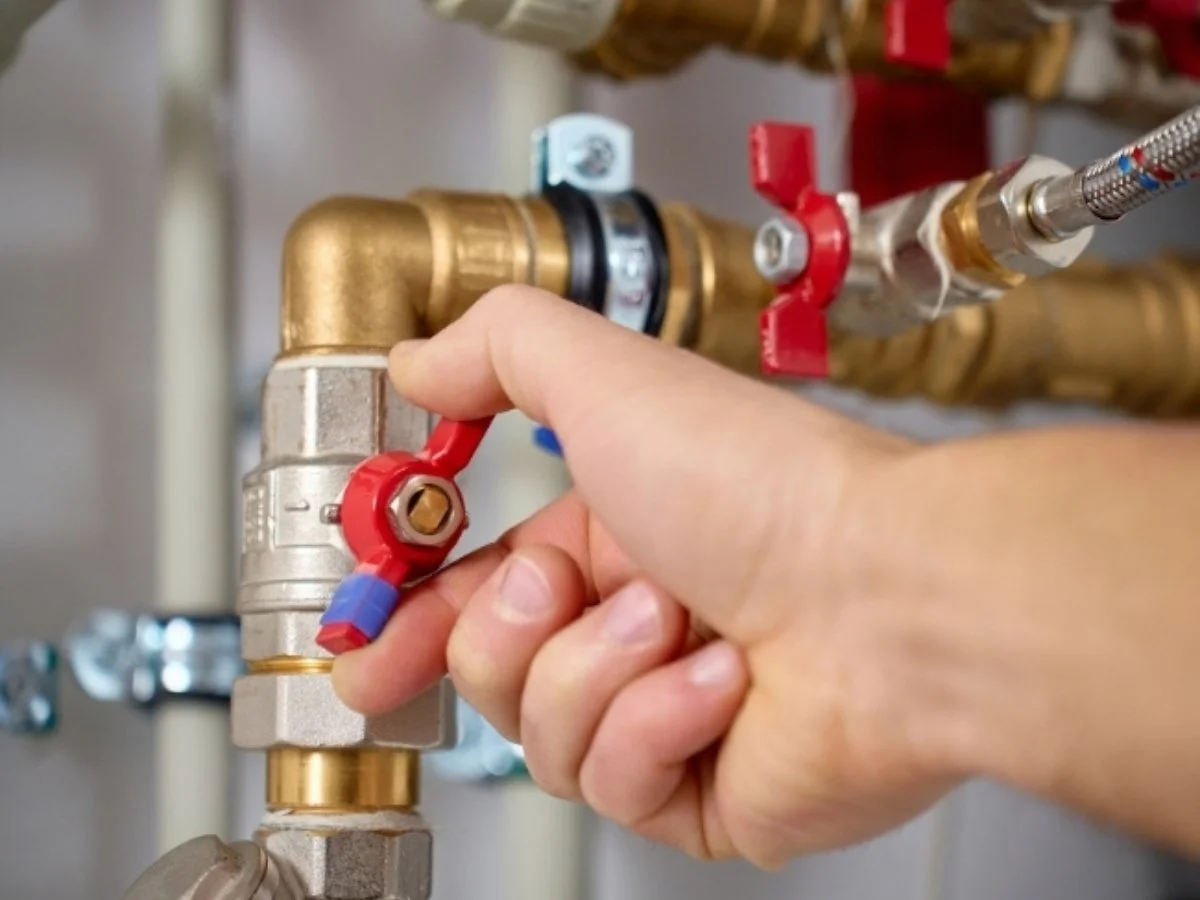
Backflow Testing in Westminster, CO
Licensed backflow testing for homes and businesses in Westminster, CO. Schedule your annual test and get your compliance report filed the same day.
What Is the Procedure for Backflow Testing in Westminster, CO?
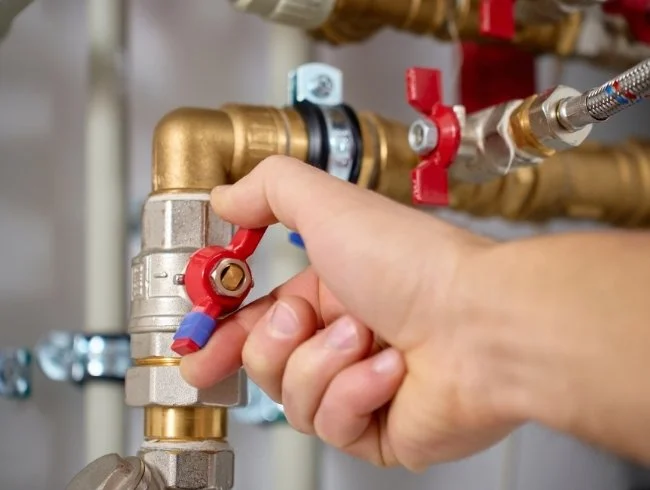
Here's what our technicians check during a Westminster backflow test:
Confirm your device type and its required test interval. Double-check and RP assemblies need annual testing under CDPHE Regulation 11.39.
Shut down and isolate the backflow assembly.
Attach a calibrated differential gauge to the test cocks.
Check the #1 and #2 check valve differential.
Test the relief valve or air inlet for proper function.
Recalibrate gauges on schedule. Moderate water hardness fouls checks slowly, and a slightly out-of-cal gauge can read a false pass.
Record the results and submit the report to the city.
Most tests finish in under an hour per assembly.
What Backflow Testing Involves in Westminster
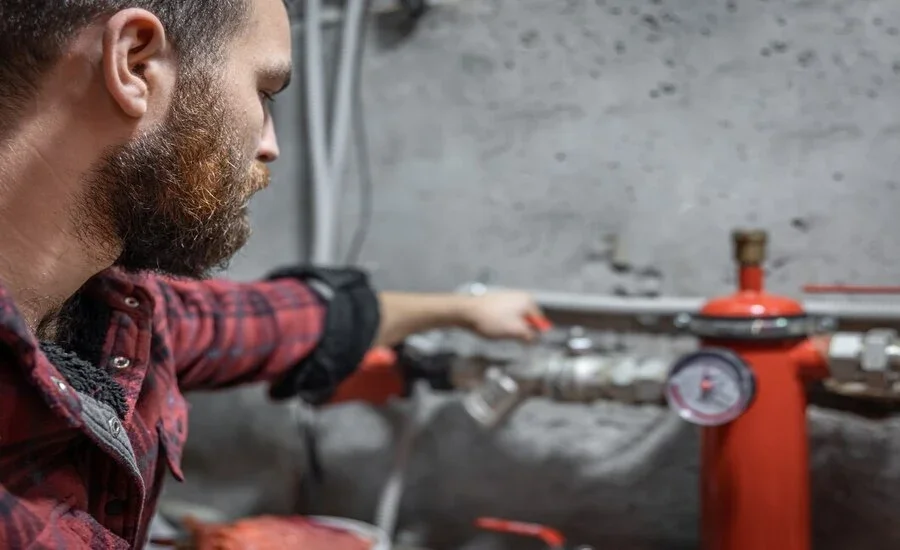
A backflow test checks your check valves, relief valve, and seals. This confirms water flows only one way through your system. Our tech attaches a calibrated gauge to the test cocks and reads the pressure differential right there on site.
Homeowners with irrigation systems need this test. So do commercial owners with fire lines or boilers here in Westminster. A passed test keeps your water service active and keeps you square with the city.
Westminster's water comes from Standley Lake and Clear Creek, both surface sources. That shifts contamination risk toward irrigation chemicals and cross-connections, not the mineral buildup you'd see with well water. One thing we see constantly on Westminster calls: gauge calibration matters more here because moderate hardness fouls checks slowly. A gauge that's slightly out of calibration can read a marginal pass that's actually a fail.
Backflow Preventers Are the Most Reliable Way to Stop Cross-Contamination

Reduced pressure, or RP, assemblies give you the strongest mechanical protection available. A physical air gap is the only method that's fully safe against contamination, but RP assemblies come close.
If your property has fire sprinklers, a boiler, or an irrigation system, you need RP or DC protection. That protection sits right at the connection point and stops contaminated water from getting pulled back into the drinking supply.
Pressure zones shift across Westminster. Elevation climbs from the South Platte valley up to the Standley Lake bench. That change affects how these devices perform. Low incoming pressure combined with a scale-fouled downstream check trips the relief valve constantly. What homeowners don't realize is that new techs often blame a bad relief valve. It's really a pressure-zone and fouling combo working together.
Types of Backflow Preventers and Which One Your Property Has
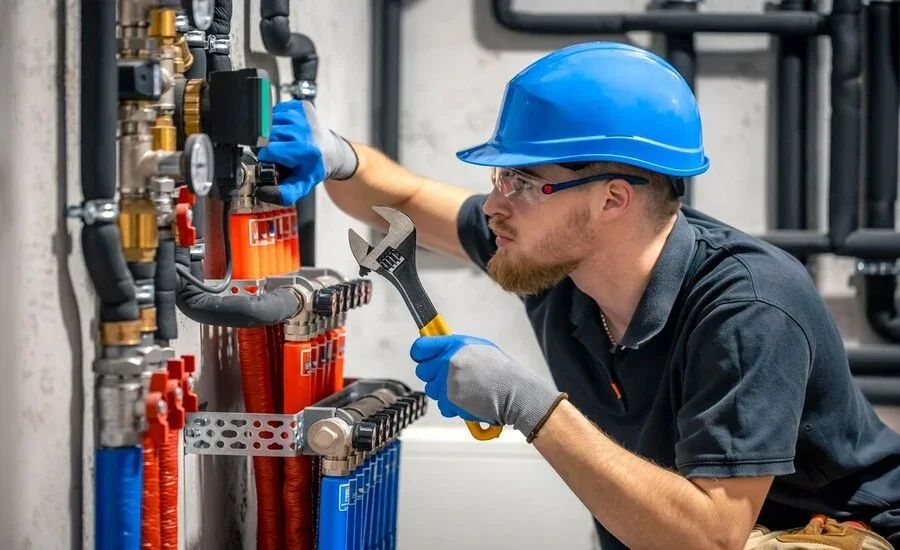
Type 2 dual check valves, PVBs, and RP assemblies each protect against a different hazard level. A plain check valve or vacuum breaker by itself won't stop backpressure.
Most Westminster homes use PVBs on their irrigation systems. Commercial fire and boiler lines usually need DC or RP assemblies instead. Knowing your device type sets the right test interval and rebuild plan for your property.
Febco, Watts, and Wilkins are the common assembly brands in this market. Each needs its own rebuild kit. Most of the time when this happens in Westminster's older subdivisions, clay-driven vault movement racks the assembly off plane. That causes a false fail on the #2 check. We always look for vault movement before we fail a device.
When Westminster Properties Need Annual Backflow Testing
CDPHE Regulation 11.39 requires annual testing on double-check and RP assemblies in Westminster. That's a shorter interval than the 5-year PVB schedule you'd see in smaller water systems.
Irrigation assemblies citywide need testing within 7 days of spring turn-on. Staying on schedule keeps commercial properties off the city's water service restriction list.
Westminster's frost line runs about 36 inches deep. Above-grade assemblies crack when covers blow off or a fall blow-out gets skipped. January through March, freeze-cracked bodies are the top reason we see a "failed test" tag. What homeowners don't realize is that it's a winterization problem, not a testing problem. So budget for replacement before the spring rush hits.
How to Prepare for a Backflow Test in Westminster
Confirm your device type, its location, and whether your property is on the city's annual reminder list before you schedule. This saves time on test day.
Commercial owners along older Westminster corridors often have fire line or boiler devices with spotty test history. A same-day rebuild-and-repass avoids a second trip charge and keeps your business running.
Older commercial strips along Federal and Sheridan Boulevards often have devices that were never enrolled in the city's cross-connection database. These "surprise" compliance issues usually show up when a property changes hands or gets a new certificate of occupancy inspection.
What Happens After Your Backflow Test
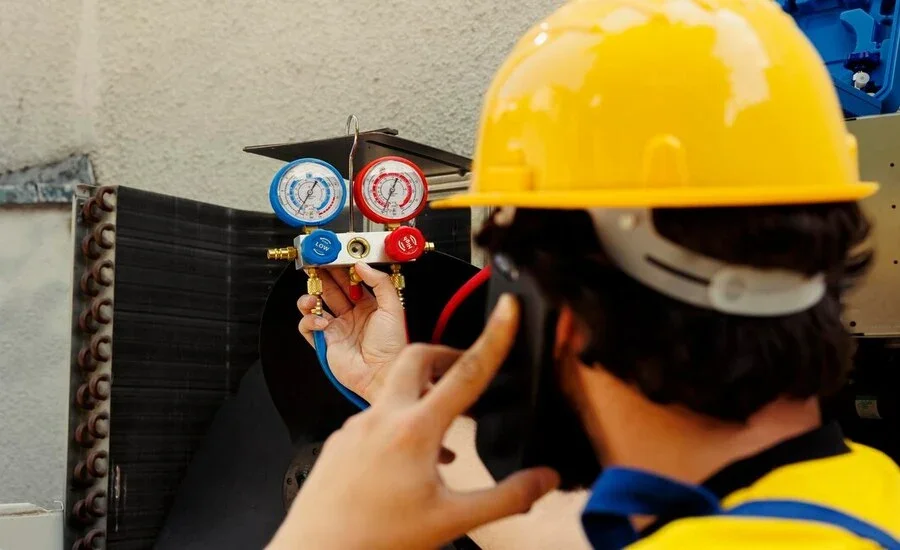
We record your results from the differential gauge reading and submit them to the city for compliance tracking. That closes out the paperwork on your end.
HOA-managed communities like Legacy Ridge and The Ranch track irrigation compliance closely. A rebuild kit often fixes mineral-fouled checks without replacing the whole device, which keeps your cost down.
Ground-level valve boxes in these neighborhoods flood and corrode test cock threads over time. On devices over 10 years old, differential loss usually comes from mineral buildup on the seat, not rubber failure. That's a rebuild-kit job. Many techs sell a full replacement instead, but a rebuild is often all it takes.
FREQUENTLY ASKED QUESTIONS
-
No. Most tests take under an hour, and we can file your report with the city the same day.
-
RP assemblies offer the strongest mechanical protection available. Westminster requires them on high-hazard connections like fire lines and boilers.
-
Only for low-hazard, non-continuous setups. Most Westminster irrigation systems need a PVB or RP assembly, so schedule an inspection to confirm what yours needs.
-
A standard check valve alone doesn't stop backflow. It lacks the relief mechanism an RP assembly has, so ask us about an upgrade at your next test.
-
It's a dual check valve built for low-to-moderate hazard connections. Many Westminster homes and light commercial properties use this type.
-
Annually for double-check and RP assemblies. Irrigation PVBs need testing within 7 days of spring turn-on, so schedule ahead to avoid a callback.