

How Deep Are Sewer Lines Buried in Colorado? What Broomfield Homeowners Need to Know
A Broomfield homeowner puts in a new fence. Three weeks later, the sewer backs up. Turns out, a post clipped the line — buried just 18 inches down in a yard that hadn't been touched in decades. One call, one camera, and a repair bill that could have been avoided entirely. We see this more than you'd think.
If you're digging in your yard, noticing slow drains, or buying a home in Broomfield, knowing how deep your sewer line sits is not a small thing. This guide answers exactly how deep sewer lines are buried in Colorado, what Broomfield homeowners need to watch for, and when it's time to book a sewer line inspection in Broomfield. We're The Drain Cleaning Company — a veteran-owned, fully licensed plumbing company (License MP.03000945) based right here in Broomfield, CO.
We'll cover Colorado frost line rules, standard burial depths for residential properties, signs your line may have shifted, and what a professional inspection can tell you.
How Deep Are Sewer Lines Buried in Colorado?
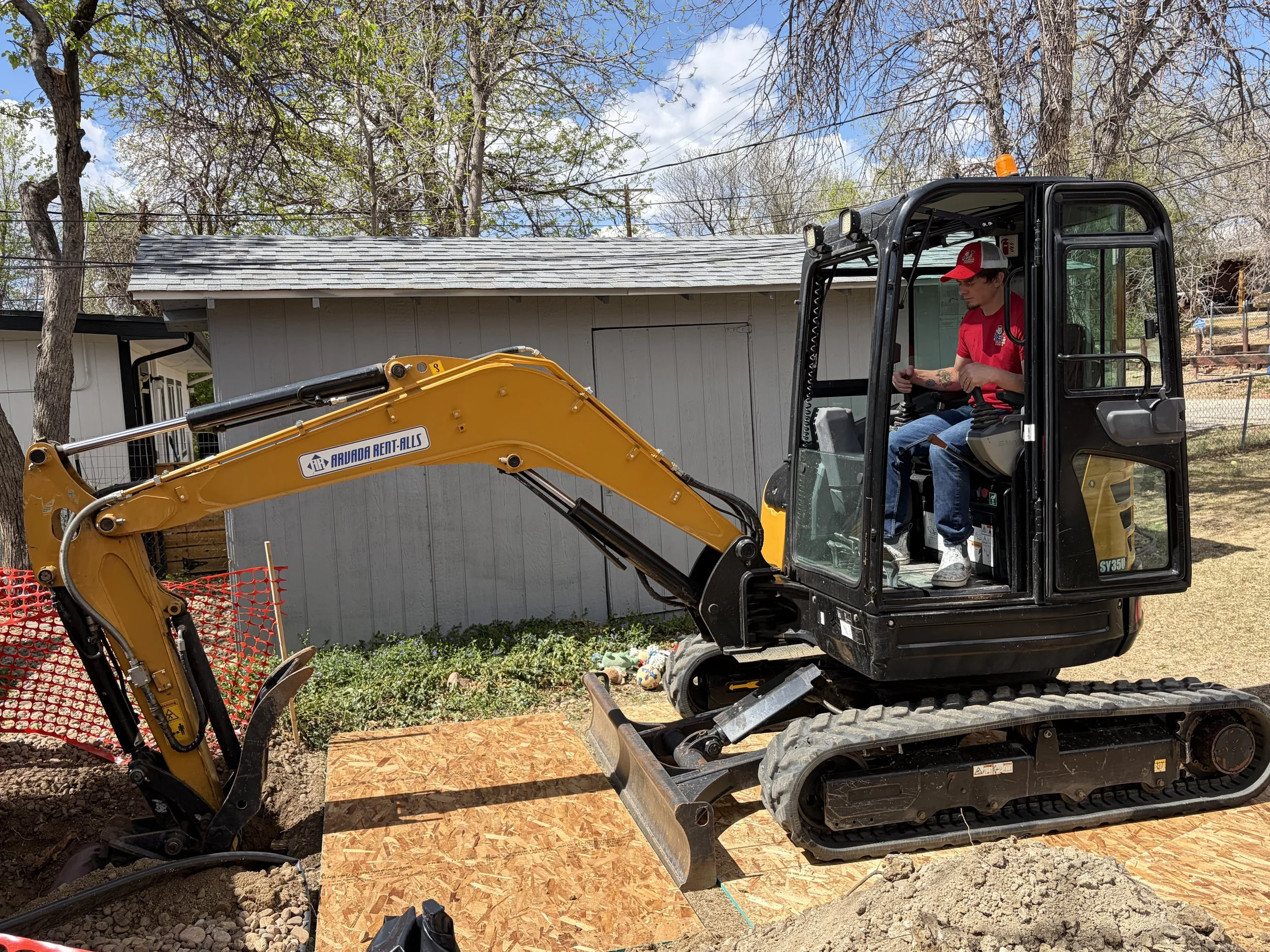
In Colorado, residential sewer lines are typically buried between 18 and 36 inches deep. Depth varies by location, soil type, and local code. The state's frost line — the depth at which soil freezes in winter — is the main driver. In the Broomfield area, the frost depth is approximately 36 inches, meaning sewer pipes must be buried at or below that level to avoid freeze damage. Older homes may have shallower lines installed under different standards. The only way to know your exact depth and pipe condition is a camera-based sewer line inspection.
Schedule a sewer line inspection in Broomfield with our local team to find out what's happening below your yard.
What Controls Sewer Line Depth in Colorado?
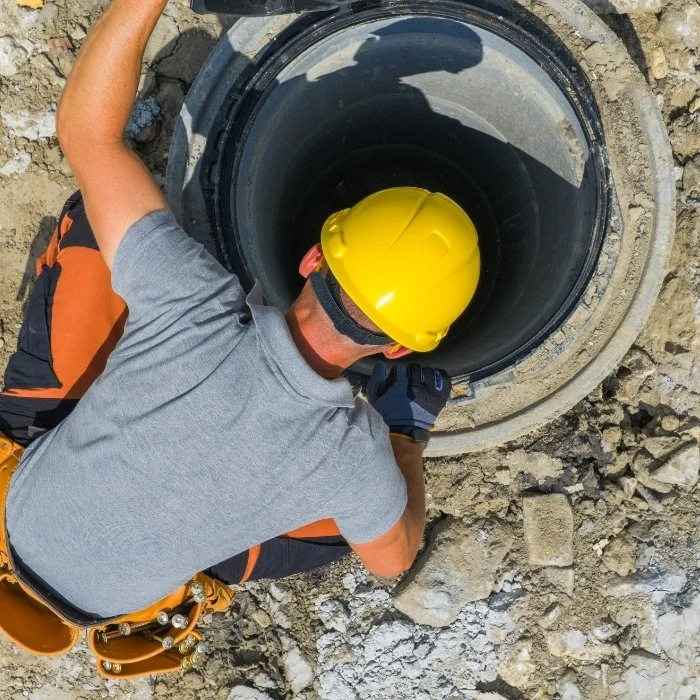
The depth of your sewer line isn't random. Several things drive how far underground it sits — and understanding them helps you make smarter decisions before you dig, build, or buy.
The frost line comes first. Colorado's frost line in the Broomfield and Denver metro area sits at roughly 36 inches. Pipes buried above that depth can freeze when temperatures drop, crack under the pressure, and fail without warning. State plumbing codes require lines to go below the frost depth for exactly this reason.
Local codes can add to state minimums. The City of Broomfield's Building Division may have requirements that go beyond what the state sets. If you're pulling a permit for any project near your sewer line, check with Broomfield's building department before you break ground.
Front Range soil makes things harder. Clay and expansive soils are common along Colorado's Front Range. These soils shift with moisture changes, and that movement can stress pipes over time — especially ones that weren't buried deep enough to begin with.
Your system type matters too. Most residential sewer lines rely on gravity to move waste downhill to the city main. Gravity-flow systems need the right slope and depth to function. Pressure systems are less common in residential settings but have their own depth needs. If you're not sure which type you have, a quick inspection can tell you.
Key factors that control sewer line depth in Colorado:
Frost line depth (approximately 36 inches in the Broomfield/Denver metro)
City of Broomfield local code requirements
Soil type and movement — especially expansive clay soils on the Front Range
Gravity-flow vs. pressure sewer systems
Home age and the era of installation
And in older Broomfield neighborhoods — areas developed well before current frost-line standards took hold — we regularly find lines running at 18 to 24 inches. Those pipes were code-compliant when they went in. Today, they're more exposed than anyone living there realizes.
Typical Sewer Line Depths for Broomfield Homes
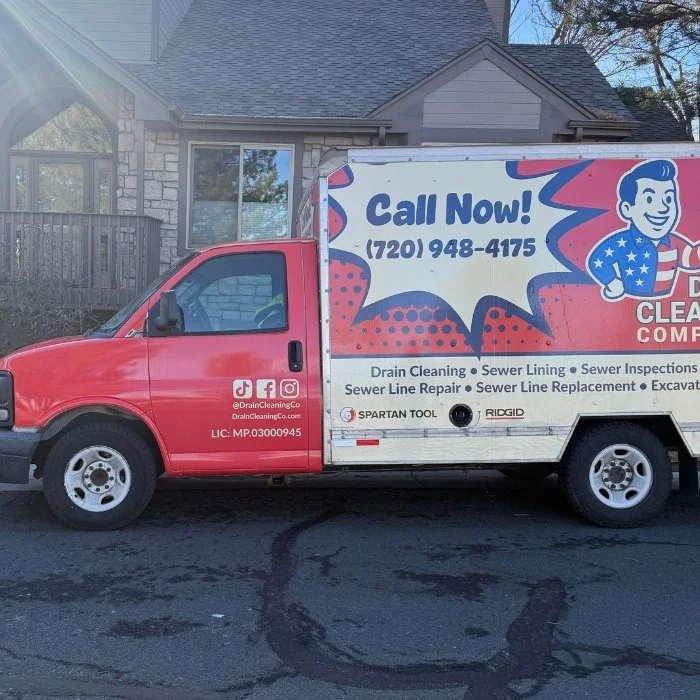
Not every sewer line in Broomfield sits at the same depth. Home age, street grade, and where your line connects to the city main all affect how deep your pipe runs.
Here's a general reference based on what we see in the field:
| Home Age | Likely Depth Range |
|---|---|
| Pre-1970s | 18–24 inches (may predate current frost-depth code) |
| 1970s–1990s | 24–36 inches (variable — transitional code era) |
| Post-1990s | 36–48 inches (more likely to meet current standards) |
Newer homes built after the 1990s are more likely to have lines at or below the 36-inch frost depth. Older homes — especially those in established Broomfield neighborhoods — often have shallower lines that were installed to the standards of the time. Those standards have changed. The pipe hasn't.
Depth also changes along the run. Your sewer line slopes from the house foundation down to the city main. That slope is how gravity moves waste. So the line may be 24 inches deep near your foundation and 48 inches deep where it connects to the street. The city's main sewer lines under the road go much deeper — often 8 to 12 feet or more — which is why they're rarely affected by the same issues homeowners deal with.
What we commonly find during Broomfield inspections: homes from the 1960s and 1970s near older subdivisions off Midway Boulevard or Sheridan Parkway tend to have shallower laterals, and those lines often show signs of root intrusion or joint separation that the homeowner had no idea existed.
Why Sewer Line Depth Matters for Homeowners
Knowing your sewer line depth isn't just trivia. It has direct, real-dollar consequences for common homeowner projects and long-term property health.
Digging without knowing can cause expensive damage. Fence posts, retaining walls, and landscaping projects that require any kind of excavation can clip or crush a shallow sewer line. The repair cost for a damaged lateral can run into the thousands — far more than the project that caused the damage.
Tree roots go where the water is. Broomfield has mature neighborhoods with established trees, and roots naturally grow toward sewer lines. Shallow lines are easier targets. Once a root finds a crack or a joint gap, it grows into the pipe and restricts flow until something backs up.
Freeze-thaw cycles stress exposed pipes. Colorado's winters are hard on anything near the surface. A line buried above the frost depth will expand and contract with each freeze cycle. Over time, that stress cracks joints, shifts pipe sections, and creates exactly the kind of damage that requires excavation to fix.
Home additions and footings can hit lines you didn't know were there. Building a patio, adding a deck, or putting in a room addition all involve footings that go into the ground. If your sewer line runs through that area, the work can damage it — or the new structure can put ongoing pressure on the pipe underneath.
You own the lateral. In Broomfield, as in most Colorado municipalities, the homeowner is responsible for the sewer line from the house to the point where it connects to the city main. So if there's a depth problem, a root intrusion, or a cracked pipe on that run — it's your repair bill. The city maintains the main; you maintain everything on your side of the connection.
Signs Your Sewer Line May Have Shifted or Been Damaged
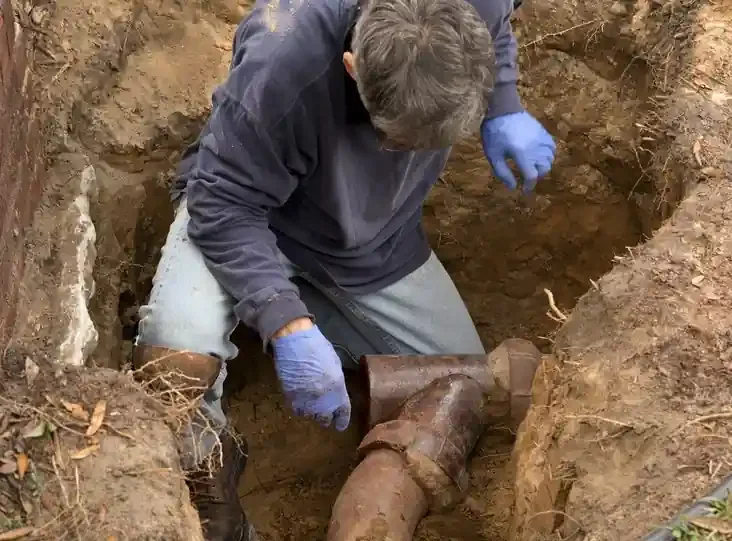
Problems underground rarely announce themselves clearly. But your home gives off signals. Knowing what to look for can save you from a sewage backup or a full pipe replacement.
Watch for these warning signs:
Slow drains throughout the house — not just one fixture. One slow drain usually means a local clog. Slow drains everywhere point to a problem in the main line.
Gurgling sounds in toilets after flushing — air trapped in a partially blocked or damaged line makes noise.
Sewage odors in the yard or near the foundation — a cracked or separated pipe lets gas escape before it reaches the vent stack.
Soggy or unusually green patches of grass above where the sewer line runs — leaking sewage acts as fertilizer and shows up as uneven lawn growth.
An unexplained spike in your water bill — can indicate a separate supply line issue, but when combined with other signs, it's worth a closer look.
We inspected a Broomfield home where the owner noticed soft spots in the lawn along the back fence line. He assumed it was a drainage issue from winter melt. But a camera run found a root-cracked joint 24 inches down — right in the path of a spruce tree he'd planted ten years earlier. The soft ground wasn't drainage. It was sewage.
Noticing any of these warning signs? A Broomfield sewer line inspection can find the problem before it becomes a full replacement.
What a Sewer Line Inspection Shows — and When to Book One
A sewer line inspection isn't just for emergencies. It's the most useful tool a Broomfield homeowner has for knowing what's actually happening underground — without digging anything up.
How it works. We run a CCTV camera through your sewer lateral from a cleanout or access point. The camera sends back live footage of the pipe interior — showing us depth, slope, root intrusion, joint gaps, cracks, and blockages. You get a recording of the footage and a clear explanation of what we found. No guessing. No digging blind.
When to book one:
Before buying or selling a home — especially if the property is more than 20 years old
After a sewage backup, even a minor one
Before major landscaping, a fence project, or any excavation near the house
If the home is 20+ years old and the sewer line has never been inspected
If you're seeing any of the warning signs listed above
Inspection vs. cleaning — what's the difference. An inspection tells you what's there. A cleaning clears it. Sometimes a line needs both — we find a partial root intrusion on the camera and hydro jet it out in the same visit. Other times, the inspection shows a clean pipe and you leave with peace of mind. Either way, you know what you're dealing with.
Cost context. A camera inspection is one of the least expensive sewer-related services you can book. Compare that to emergency excavation — which can run several thousand dollars — or a full pipe replacement. Getting ahead of a problem with an inspection is almost always the smarter financial move.
So if you're buying a home in Broomfield, planning any yard work, or just haven't had the line looked at in years — this is the step that tells you what everything else is built on.
Ready to know exactly what's underground? Book a professional sewer line inspection in Broomfield CO — our team serves Broomfield and the surrounding Front Range communities.
Frequently Asked Questions
-
Residential sewer lines in Colorado are typically buried between 18 and 36 inches deep, though lines in the Broomfield and Denver metro area should sit at or below the local frost depth of approximately 36 inches. Older homes installed before current code may have shallower lines running at 18 to 24 inches. A camera inspection is the only reliable way to confirm the exact depth of your specific line.
-
The frost line in Broomfield is approximately 36 inches. This is the depth at which soil freezes during Colorado winters, and it sets the minimum burial depth for sewer pipes to prevent freeze damage. Pipes installed above this depth are at greater risk of cracking, joint separation, and failure during hard freezes.
-
In Broomfield, the homeowner is responsible for the sewer lateral — the pipe that runs from your home to where it connects with the city's main sewer line. The city maintains the main; everything on your side of that connection is your responsibility to repair and maintain.
-
A camera-based sewer inspection uses a CCTV line to run through your sewer lateral and capture live footage of the pipe interior. It reveals pipe depth, slope, root intrusion, cracks, joint gaps, and blockages — all without digging. You receive video footage of the inspection and a clear summary of any issues found.
-
The most common signs of a damaged sewer line include slow drains throughout the house (not just one fixture), gurgling sounds in toilets, sewage odors near the foundation or in the yard, unusually soggy or green patches of grass above the sewer run, and unexpected increases in your water bill. If you're seeing more than one of these at the same time, it's worth getting a camera inspection done.
-
Book a sewer line inspection before buying or selling a home, after any sewage backup, before major landscaping or excavation work, or if your home is more than 20 years old and the line has never been inspected. It's also a smart step any time you're seeing warning signs like slow drains, gurgling, or soft spots in the lawn.
The Drain Cleaning Company 7180 W 117th Ave D, Broomfield, CO 80020 (720) 948-4175 Available 7am–10pm, 7 days a week
Save the number of a reliable emergency plumber Broomfield CO before you need one: (720) 948-4175.
