

How to Maintain Your Home Plumbing System in Broomfield CO
Knowing how to maintain your home plumbing system in Broomfield CO can save you hundreds — sometimes thousands — in avoidable repairs. This guide covers a seasonal checklist, Broomfield-specific water concerns, and when to stop DIYing and call a pro. Broomfield's hard water and Front Range winters make local context matter more than most homeowners realize.
Need a pro? Schedule a plumbing inspection in Broomfield CO →
Introduction
The average U.S. household wastes nearly 10,000 gallons of water per year due to leaks — and most of those leaks start small. (Source: EPA WaterSense — epa.gov/watersense)
In Broomfield, the water coming out of your tap ranks among the hardest in Colorado. That mineral load doesn't just affect taste. It quietly builds up inside your pipes, fixtures, and water heater every single day. This guide covers exactly how to maintain your home plumbing system in Broomfield CO — with a seasonal checklist, local hard-water tips, and a clear line between what you can handle yourself and when to bring in a licensed plumber. We'll walk through the most important checks by season, the fixtures most vulnerable to Broomfield's water conditions, and the warning signs that mean it's time to call a pro.
How Do You Maintain a Home Plumbing System in Broomfield CO?
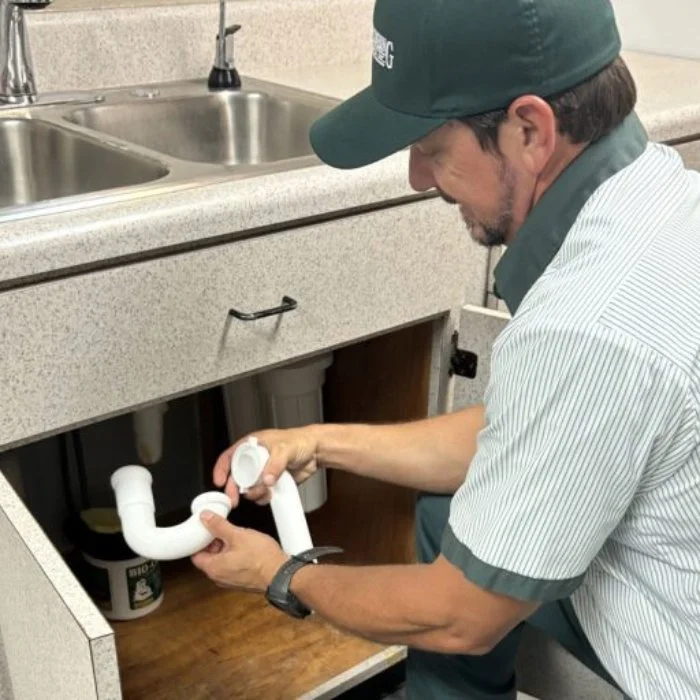
To maintain your home plumbing system in Broomfield CO, follow these steps quarterly:
Check all visible pipes and under-sink connections for drips or moisture.
Flush your water heater to remove sediment — especially important with Broomfield's hard water.
Test water pressure (ideal range: 40–60 PSI).
Clean faucet aerators and showerheads to remove mineral buildup.
Run water in unused drains to prevent dry P-traps.
Inspect toilet flappers and fill valves for silent leaks.
Schedule a professional drain inspection once a year.
Broomfield's hard water accelerates mineral buildup, so water heater and fixture maintenance should happen more frequently than national averages suggest.
Why Plumbing Maintenance Matters More in Broomfield CO
Broomfield sits on the Colorado Front Range, where freeze-thaw cycles stress exposed pipes more than they would in milder climates. Temperatures can swing dramatically between day and night, even in early fall. That repeated expansion and contraction weakens pipe joints over time.
Broomfield's water is also classified as hard — meaning it carries a high mineral load measured in grains per gallon. (Source: Denver Water Annual Water Quality Report / Colorado Department of Public Health and Environment — cdphe.colorado.gov) Those minerals don't pass through harmlessly. They coat the inside of your pipes, fixtures, and water heater with scale that builds up year after year.
Mineral scale reduces water heater efficiency and shortens its lifespan. (Source: U.S. Department of Energy — energy.gov) In our experience servicing Broomfield homes, we see water heaters fail earlier here than in softer-water areas — often several years sooner than the manufacturer's expected lifespan. That's not a coincidence.
| Broomfield Water Factor | Plumbing Impact |
|---|---|
| Hard water (high mineral content) | Scale buildup in pipes, fixtures, and water heater |
| Freeze-thaw cycles on Front Range | Stress on exposed pipe joints; burst risk in fall and winter |
| Cold snaps arriving early (mid-October) | Pipes freeze before homeowners have winterized |
| High sediment load in water heater | Reduced efficiency; premature failure |
| Mineral deposits in aerators/showerheads | Reduced flow; fixture degradation |
Now that you know why Broomfield's conditions matter, here's exactly what to check — and when.
Seasonal Plumbing Maintenance Checklist for Broomfield Homeowners
Spring
After Broomfield's cold months, your outdoor plumbing takes the most stress. Start here:
Check outdoor spigots for cracks or drips that formed during freezing temperatures.
Inspect washing machine hoses for bulging, cracking, or moisture at the connections.
Test your sump pump by pouring water into the pit — confirm it activates and drains properly.
Walk your yard for soft spots or unusually green patches, which can signal underground pipe leaks.
Summer
Summer is a good time to address pressure and mineral buildup before the busy season:
Check irrigation system connections for leaks at the valve box and along emitter lines.
Test your home's water pressure with an inexpensive gauge — 40–60 PSI is the target range.
Clean faucet aerators throughout the home to clear mineral deposits that restrict flow.
Look under sinks for slow drips at supply line connections while you have time to address them.
Fall
Fall is the most important season for Broomfield homeowners. Don't wait until November.
Insulate exposed pipes in crawl spaces, garages, and exterior walls before the first freeze.
Flush your water heater to clear sediment before heating season puts extra demand on the unit.
Locate and test your main water shutoff valve so you know exactly where it is if a pipe bursts.
Disconnect and drain garden hoses — water left in hoses can back-freeze into the spigot.
Winter
Cold snaps in Broomfield can arrive without much warning. Stay ahead of them.
Drip faucets on exterior walls on nights when temperatures drop below 20°F.
Know where your main shutoff valve is — every adult in the household should be able to find it.
Watch for ice dam risk near roof penetrations where plumbing vents exit the home.
Keep cabinet doors under sinks open on cold nights to let warm air reach supply lines.
We've responded to burst pipe calls in Broomfield as early as mid-October. The freeze season here starts sooner than most homeowners expect. Don't wait for the calendar to tell you it's winter.
The Fixtures Most Vulnerable to Broomfield's Hard Water
Knowing what's at risk is step one. Here's what you can actually do about it yourself.
Broomfield's hard water doesn't damage all fixtures equally. Some take the hit much faster than others. Understanding which ones to watch helps you stay ahead of failures before they become expensive.
Water Heaters collect sediment from hard water at the bottom of the tank. That sediment layer acts as insulation between the burner and the water, forcing the heater to work harder and run longer. Flush your water heater annually at minimum — twice a year is better in Broomfield conditions. (Source: energy.gov)
Faucets and Showerheads accumulate mineral deposits in the aerator screens and showerhead nozzles. Flow decreases gradually, so many homeowners don't notice until it's significant. Remove aerators quarterly and soak them in white vinegar to dissolve buildup.
Dishwashers and Washing Machine Inlet Valves have small supply line screens that collect scale. A partially blocked inlet valve reduces water flow into the appliance and stresses the valve itself.
Toilets are affected in two ways. Hard water causes staining inside the bowl and tank, and it degrades rubber flappers faster than soft water does. A flapper that might last five or more years in a soft-water home may need replacement in two to three years here.
Water Softeners and Filters can slow all of the above significantly. If your home doesn't have one, it's worth a conversation with a licensed plumber to see what makes sense for your water usage.
| Fixture | Common Hard Water Issue | DIY Fix | When to Call a Pro |
|---|---|---|---|
| Water heater | Sediment buildup at tank base | Annual flush via drain valve | Rumbling sounds, inconsistent hot water, age over 10 years |
| Faucets / showerheads | Blocked aerators, reduced flow | Soak in white vinegar, reinstall | Internal valve damage, persistent low pressure |
| Dishwasher / washer inlet | Scale in supply line screens | Clear inlet screen if accessible | Valve failure, no water entering appliance |
| Toilet flapper | Premature degradation, silent leaks | Replace flapper (hardware store part) | Cracked tank, base leak, running after flapper replacement |
| Pipes (long-term) | Scale narrows interior diameter | Water softener installation | Significant pressure loss throughout home |
Simple DIY Checks Every Broomfield Homeowner Can Do
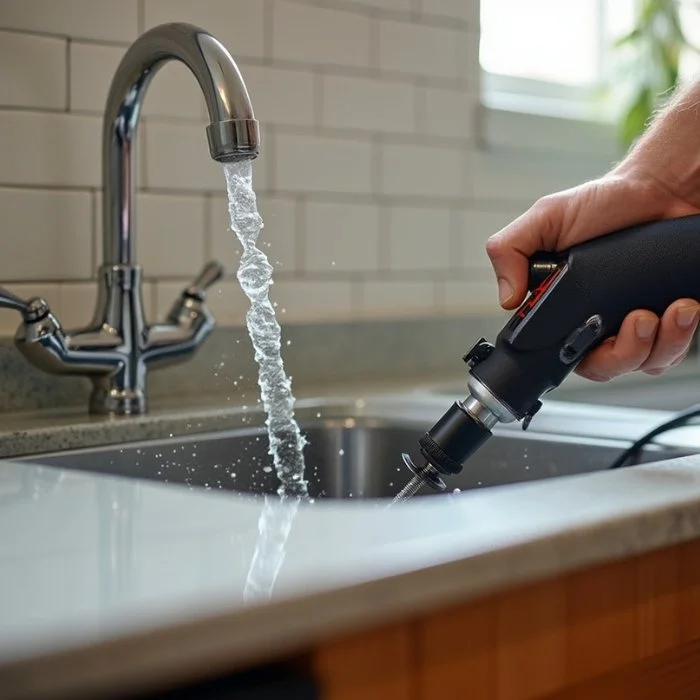
You don't need tools or trade knowledge to catch most plumbing problems early. These checks take less than an hour and can flag issues before they grow.
Check Your Water Pressure Buy an inexpensive pressure gauge at any hardware store and attach it to an outdoor spigot or washing machine bib. Normal home water pressure runs between 40 and 60 PSI. (Source: InterNACHI — nachi.org) Pressure above 80 PSI puts stress on supply lines, fittings, and appliances. If yours reads high, a pressure-reducing valve may be needed.
Locate and Test Your Main Shutoff Valve Find your main shutoff — usually near the water meter, in a utility room, or where the main line enters the home. Turn it fully off, then back on. A valve that's stiff or won't seat fully may fail when you actually need it.
Inspect Under-Sink Supply Lines Look at the braided supply lines under every sink. Check for moisture, corrosion (green or white crust at fittings), or bulging near the connections. Catch a failing supply line before it lets go — they can flood a cabinet fast.
Run the Toilet Dye Test
Silent flapper leaks can waste hundreds of gallons per month without any visible drip. (Source: EPA WaterSense — epa.gov/watersense/fix-a-leak)
Remove the toilet tank lid.
Drop 5–10 drops of food coloring into the tank water.
Do not flush. Wait 10–15 minutes.
Check the toilet bowl. If color appears in the bowl, your flapper is leaking.
Replace the flapper — it's a low-cost part available at any hardware store.
Watch Your Water Bill A sudden or gradual increase in your monthly water usage — with no change in habits — is often the first sign of a hidden leak. Compare your bills month over month. If you see unexplained spikes, it's worth investigating before the leak finds a way to announce itself through your ceiling or floor.
When to Stop DIYing and Call a Plumber in Broomfield CO
Some plumbing signs are easy to dismiss. Others mean a real problem is building. Knowing the difference protects your home and your wallet.
We often get calls after homeowners have ignored a slow drain for weeks. What started as a simple drain cleaning turns into a camera inspection plus hydro-jetting — a much larger job than it needed to be. Catching these signs early keeps the cost down.
| Warning Sign | Likely Issue |
|---|---|
| Pressure drops that a clogged aerator doesn't explain | Leak in supply line, failing PRV, or main line issue |
| Multiple slow drains throughout the home | Main sewer line obstruction or early failure |
| Water heater making rumbling or popping sounds | Heavy sediment buildup — flush needed or replacement approaching |
| Green or white crust on supply line fittings | Active corrosion — fittings at risk of failure |
| Sewage smell inside the home | Dry P-trap, cracked sewer line, or venting problem |
If any of these apply to your Broomfield home, don't wait.
Talk to a plumber in Broomfield CO →
If any of those warning signs apply to your home, the next step is finding the right person to call.
How to Find a Reliable Plumber in Broomfield CO (And What to Ask) {#find-a-plumber}
Hiring a plumber shouldn't be a guessing game. Colorado requires plumbers to hold a state-issued license through the Department of Regulatory Agencies. (Source: DORA — dora.colorado.gov) Ask for a license number before any work begins. A licensed plumber in Colorado carries liability insurance and has met the state's trade requirements.
Beyond licensing, look for a company with a real local address, verifiable reviews, and a clear pricing policy. The best plumbers give you a price before they start — not after.
Red flags to watch for:
No local address or physical location
Vague pricing ("we'll figure it out once we're there")
Pressure to approve large repairs without showing you the evidence
No reviews or only generic testimonials
The value of a scheduled annual inspection is hard to overstate. A proactive inspection costs a fraction of what an emergency call runs — and it catches slow failures before they become water damage.
5 Questions to Ask Any Broomfield Plumber Before You Hire:
Are you licensed in Colorado, and can you provide your license number?
Do you give upfront, flat pricing before starting any work?
Do you have a local address in the Broomfield or Denver metro area?
Can you show me the camera footage if you find a problem in my drain or sewer line?
Do you offer same-day or emergency service if something goes wrong outside business hours?
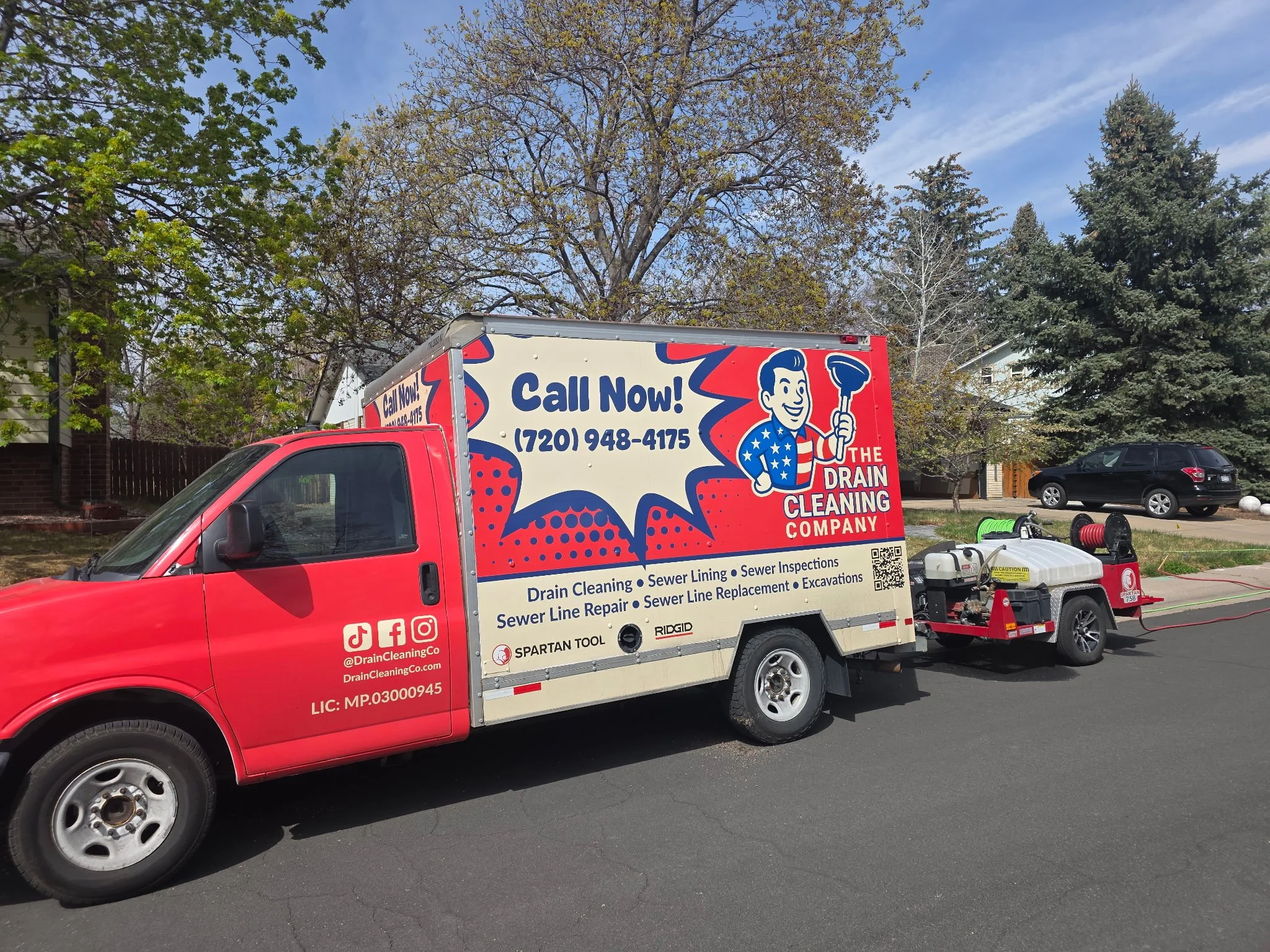
At The Drain Cleaning Company, we're a veteran-owned, locally rooted plumber in Broomfield CO. Our license number is MP.03000945. We give you a clear price before any work starts, show you the camera footage so you understand exactly what's happening in your pipes, and answer calls 7 days a week, 7am to 10pm. We're at 7180 W 117th Ave D, Broomfield, CO 80020 — and you can reach us at (720) 948-4175.
Ready to Protect Your Home?
When drains back up or a fixture starts failing, fast action keeps small problems from becoming expensive ones. Whether you want to schedule a routine inspection or you're dealing with a warning sign right now, we're ready to help.
Contact Drain Cleaning Co. for Broomfield drain cleaning and plumbing services →
The Drain Cleaning Company | 7180 W 117th Ave D, Broomfield, CO 80020 | (720) 948-4175 | License: MP.03000945