

A Broomfield homeowner calls asking for trenchless sewer repair by name. Our crew runs a camera down the line first. They find a section that has already collapsed. Trenchless isn't an option there.
That happens more than you'd think. Trenchless methods like pipe bursting and cured-in-place pipe (CIPP) lining have become popular in Broomfield and Westminster. They skip the giant trench across your yard. But popular doesn't mean perfect for every pipe.
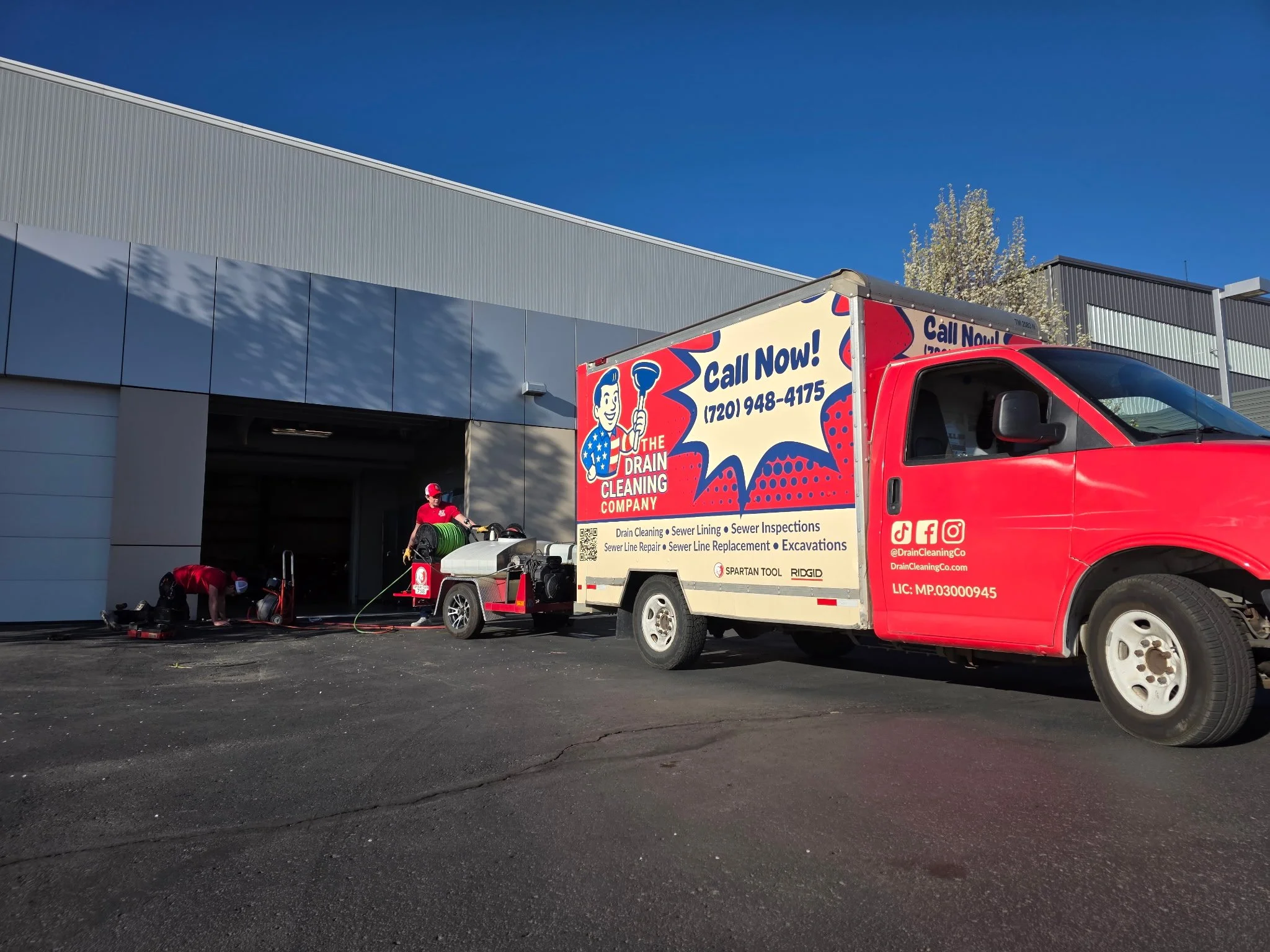
We're The Drain Cleaning Company, a veteran-owned plumbing team licensed in Colorado under license MP.03000945. We've worked on sewer lines across Broomfield and Westminster long enough to know trenchless isn't a fix for every home.
In this guide, we'll walk through the potential downsides of trenchless sewer repair in plain language. You'll learn exactly what to ask before you pick a method. We'll cover the real cost trade-offs and which pipes don't qualify. Then we'll explain what happens to your pipe's width after lining. We'll also cover how to know if trenchless still fits your home.
Do I Need a Permit to Repair a Sewer Line in Broomfield?
Here are the real downsides of trenchless sewer repair, up front:
Higher upfront cost on some jobs, especially short, easy-to-reach pipe runs.
Not every pipe qualifies - badly collapsed or crushed sections often still need a traditional dig-and-replace.
CIPP lining slightly narrows your pipe's inside width, since the liner sits inside the old pipe.
Only certain pipe materials and conditions work with trenchless methods.
Access pits are still needed at both ends, so it isn't fully "no-dig."
Schedule trenchless sewer repair in Broomfield to find out which method fits your home.
Now that you know the trade-offs, here's how trenchless actually works. Two main methods exist: pipe bursting and cured-in-place pipe (CIPP) lining.
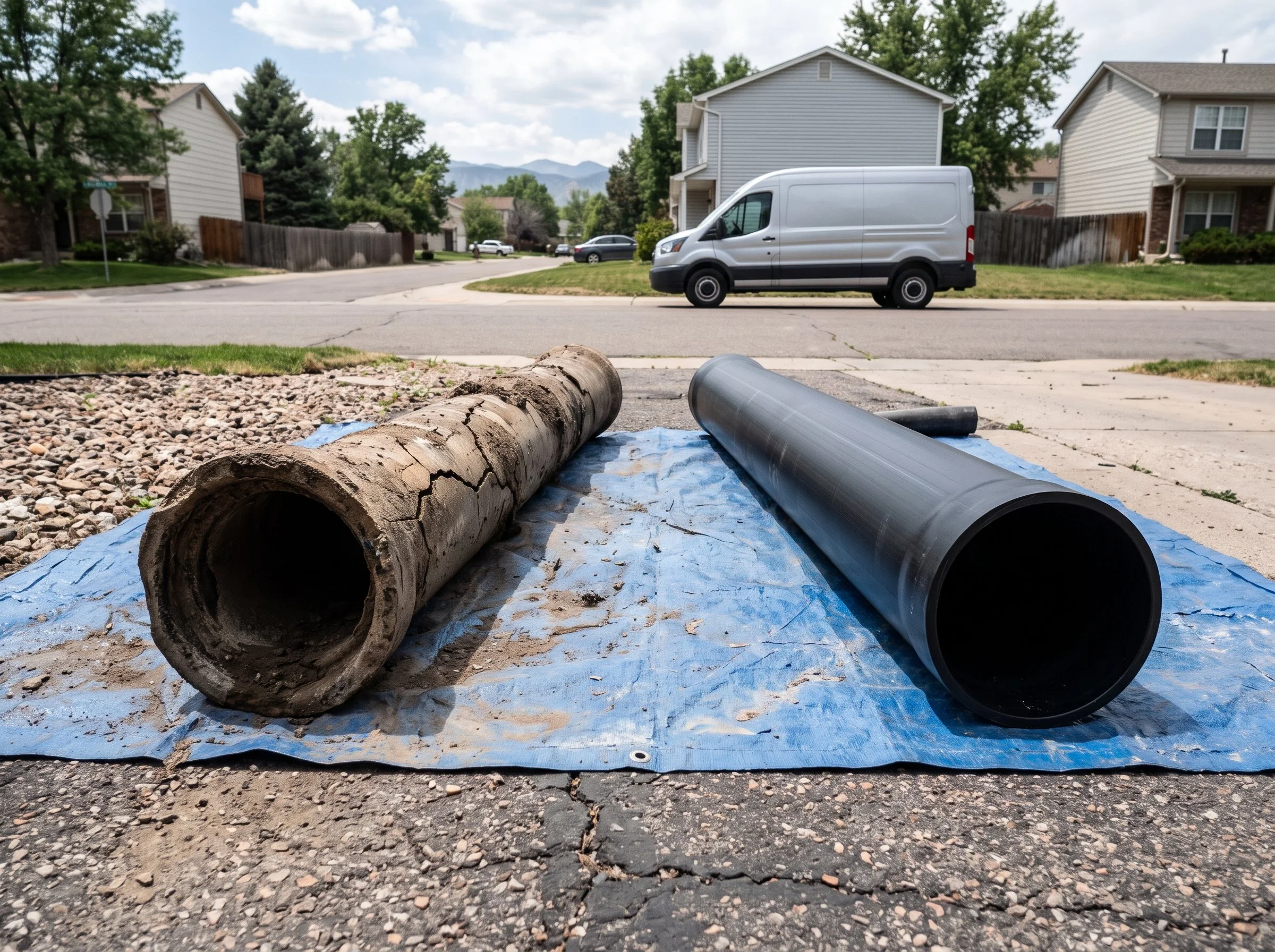
Pipe bursting breaks apart the old pipe and pulls a brand-new one through the same path.
CIPP lining inserts a resin-soaked tube inside the old pipe, then cures it into a hard new lining.
Both skip the long trench. Crews only dig small access pits at each end, not a 50-foot ditch across your lawn. A camera inspection always comes first, so we can see exactly what's happening inside your line. Trenchless work usually moves faster than traditional dig-and-replace, too.
Still, trenchless isn't a fix for every sewer problem. Some pipes are too damaged, too old, or bent at the wrong angle. We'll cover exactly which ones next.
The Real Cost Downsides of Trenchless Sewer Repair
Trenchless sewer repair cost is the first question most Broomfield homeowners ask us. The honest answer: it depends on your pipe.
Trenchless methods use special equipment, so the price per foot often runs higher than a plain dirt trench. Materials like resin liners or bursting heads cost more than a shovel and a backhoe. Longer pipe runs, deeper lines, and extra access points all add to the total.
A camera inspection comes before any repair, and that adds a line to your quote too. For short, shallow runs with easy yard access, plain digging can sometimes beat trenchless on price. It's rare, but it happens.
Here's a quick side-by-side of what drives the cost on each method:
| Cost Factor | Traditional Dig-and-Replace | Trenchless Repair |
|---|---|---|
| Yard restoration | Often needed - sod, landscaping, concrete | Minimal - small access pits only |
| Access | Full trench along pipe path | Two small pits at each end |
| Best for | Short, shallow, easy-access runs | Longer or harder-to-reach lines |
| Speed | Can take several days | Often finished in one to two days |
One thing we see constantly on Broomfield and Westminster calls: homeowners assume trenchless always costs less. Sometimes a short line under a flat, grassy yard is actually cheaper to dig the old-fashioned way. We walk you through both numbers before you decide, not just the one that sounds better on paper.
Cost is only part of the picture. The next question is whether your pipe even qualifies.
Pipe Lining Can Slightly Reduce Pipe Diameter
CIPP lining works by curing a new pipe inside your old one. That new layer takes up a small amount of space inside the pipe.
For most homes, that narrowing is only a few millimeters. It won't affect your water flow at all. Older or already-narrow pipe can feel that reduction more.
Pipe bursting skips this problem entirely. It pulls a full replacement pipe through the old one's path. You get a brand-new, full-diameter line instead of a liner inside the original pipe.
Ask your plumber which method fits your specific line. A quick camera inspection tells us your pipe's exact width and condition. Then we can pick the method that keeps water moving the way it should.
Limited Visibility and Flexibility Once Work Begins
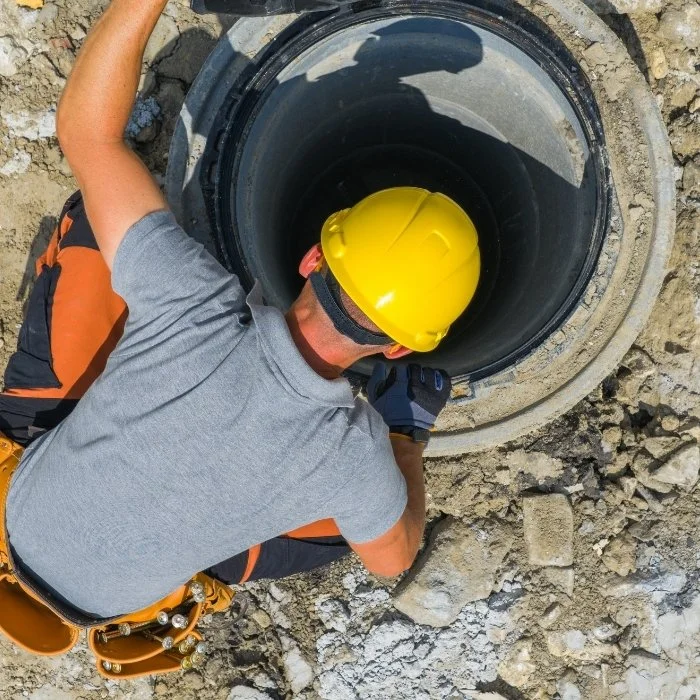
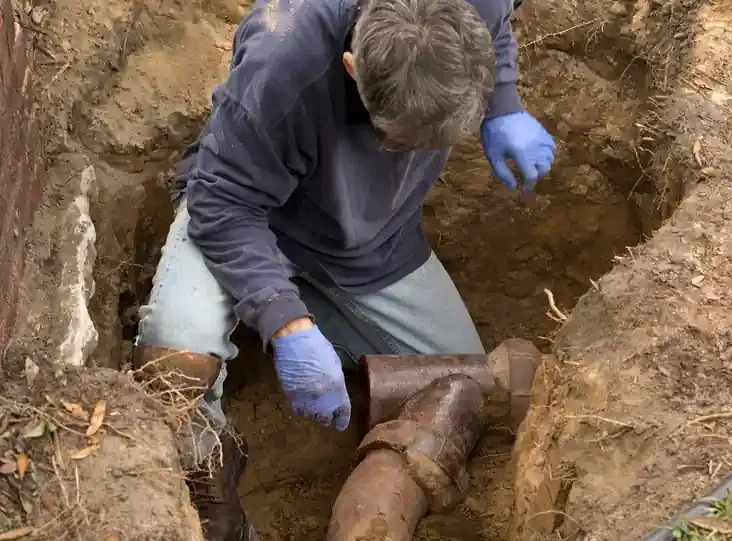
Trenchless repair isn't fully "no-dig," even though it saves your yard from a full trench. Crews still need to open small access pits at both ends of the pipe.
Once we start digging those pits, a few things can shift the plan:
Tree roots wrapped around the pipe in ways the camera couldn't fully show.
Utility lines running through the dig area that weren't mapped ahead of time.
Pipe conditions that look different once we're actually inside the ground.
Colorado's clay-heavy soil and freeze-thaw cycles, which can slow excavation at the access points.
Broomfield and Westminster sit on expansive clay soil that shifts with moisture and temperature. Add in a frost line over three feet deep. That means access-pit digging can take longer here than in milder climates. We build that into your timeline from the start, so there are no surprises halfway through the job.
How to Know If Trenchless Is Still Right for Your Broomfield or Westminster Home
So how do you know if trenchless still makes sense for your line? Start by weighing the cost against what you'd spend fixing your yard after a full dig.
Next, confirm your pipe's material, age, and condition with a camera inspection. That single step rules out guesswork and tells us exactly what we're working with.
Permits still apply either way. Broomfield and Westminster both require a permit before sewer line work begins. Fees and rules vary a bit between the two cities. We handle that paperwork so you don't have to track it down yourself.
Most of the time when this happens in Broomfield or Westminster, we walk the property first. Then we review the camera footage together. What we look for on every job: pipe material, pipe age, bend count, and depth. That tells us whether trenchless is realistic, or whether traditional replacement is the safer call.
Ask your contractor these questions before you commit to a method:
Have you run a camera inspection on my exact line?
Does my pipe qualify for trenchless, or does it need traditional replacement?
What permits does my city require, and who pulls them?
How will my final cost change if conditions look different once you start?
Get a trenchless sewer repair assessment in Broomfield, CO, and we'll give you an honest answer from the first call.
As a veteran-owned company built on honest work, we treat your sewer line the way we'd want ours treated. Learn more about our full range of services at The Drain Cleaning Company.
The Drain Cleaning Company 7180 W 117th Ave D, Broomfield, CO 80020 (720) 948-4175 Available 7am–10pm, 7 days a week
Save the number of a reliable emergency plumber Broomfield CO before you need one: (720) 948-4175.