

What PSI Is Needed for Hydro Jetting in Broomfield, CO?
If your drains keep clogging no matter what you try, you might be wondering if hydro jetting is the answer — and how powerful it actually needs to be to work. The pressure used in hydro jetting is not one-size-fits-all. It depends on your pipe type, what is causing the blockage, and how your lines are built.
This article explains exactly what PSI is needed for hydro jetting in Broomfield CO, what affects that number, and how to know if your pipes are a good fit. We will cover standard PSI ranges, how pipe type and clog severity change the equation, and what to expect when you hire a local hydro jetting crew. By the end, you will know what questions to ask — and when it is time to call in the pros.
What PSI Is Needed for Hydro Jetting?
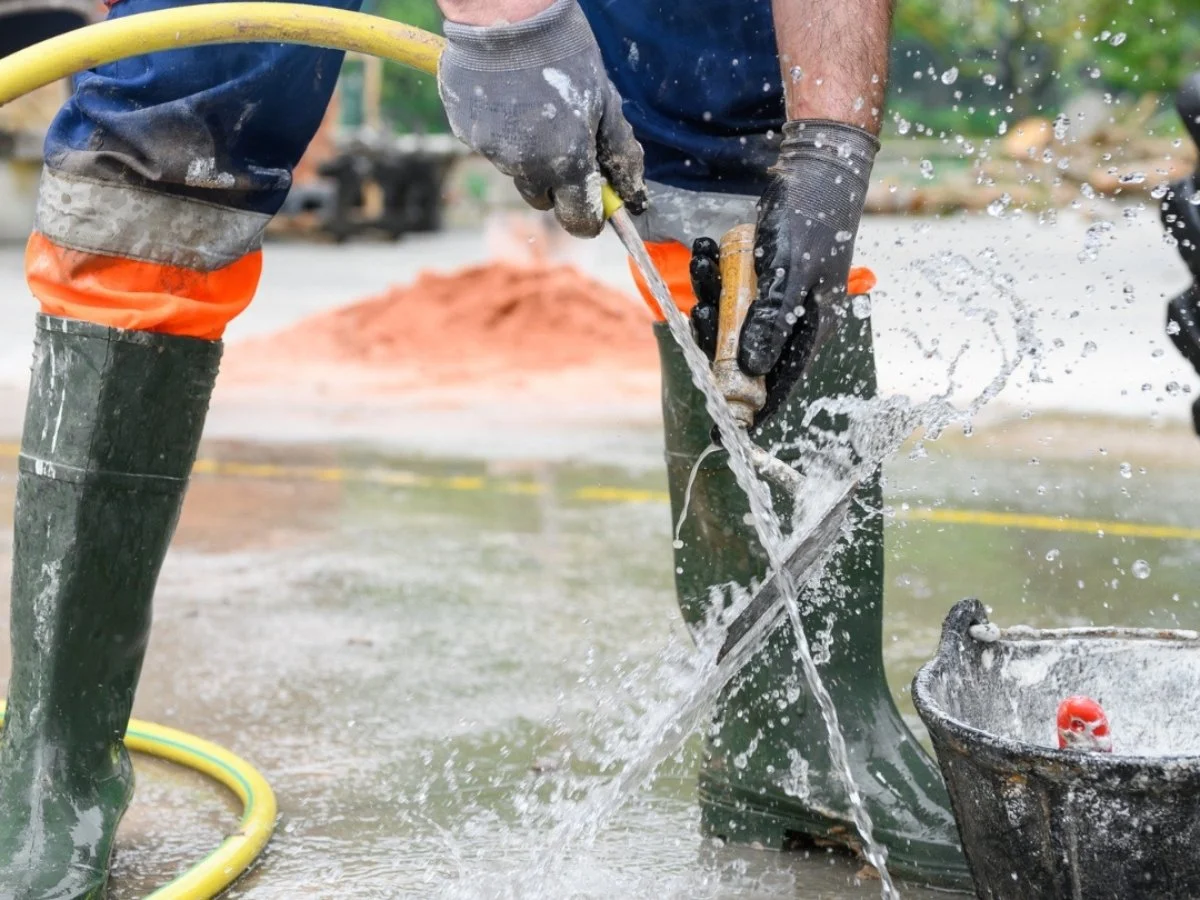
Hydro jetting typically uses between 1,500 and 4,000 PSI of water pressure, depending on the type of drain and severity of the clog. Residential sink and tub lines usually need 1,500–2,000 PSI. Main sewer lines and heavy grease blockages may require 3,000–4,000 PSI. A trained technician sets the pressure based on your pipe material and age — too little will not clear the clog, and too much can crack older or fragile pipes. Always hire a licensed plumber who inspects the line first.
See how our team handles hydro jetting in Broomfield CO and what we use on local drain systems.
What PSI Range Does Hydro Jetting Actually Use?
Hydro jetting works by pushing highly pressurized water through your drain lines to break apart and flush out blockages. The pressure required depends on what type of drain is being cleaned.
Here is a general breakdown of typical PSI ranges by drain type:
| Drain Type | Typical PSI Range |
|---|---|
| Sink, tub, and bathroom drains | 1,500–2,000 PSI |
| Kitchen drains with grease buildup | 2,000–3,000 PSI/td> |
| Main sewer lines | 2,500–4,000 PSI |
| Commercial and industrial lines | Up to 5,000 PSI |
PSI alone does not tell the full story. GPM — gallons per minute — works alongside pressure to move debris through the pipe. A machine with high PSI but low GPM may clear a clog without fully flushing it out. Our technicians typically start at a lower PSI on Broomfield residential jobs and adjust up based on what the line needs.
That PSI range is a starting point — but your drain's situation can shift that number significantly.
What Factors Change the PSI Needed?
Several things affect how much pressure your specific drains require. Here are the main factors our technicians assess before setting a PSI level:
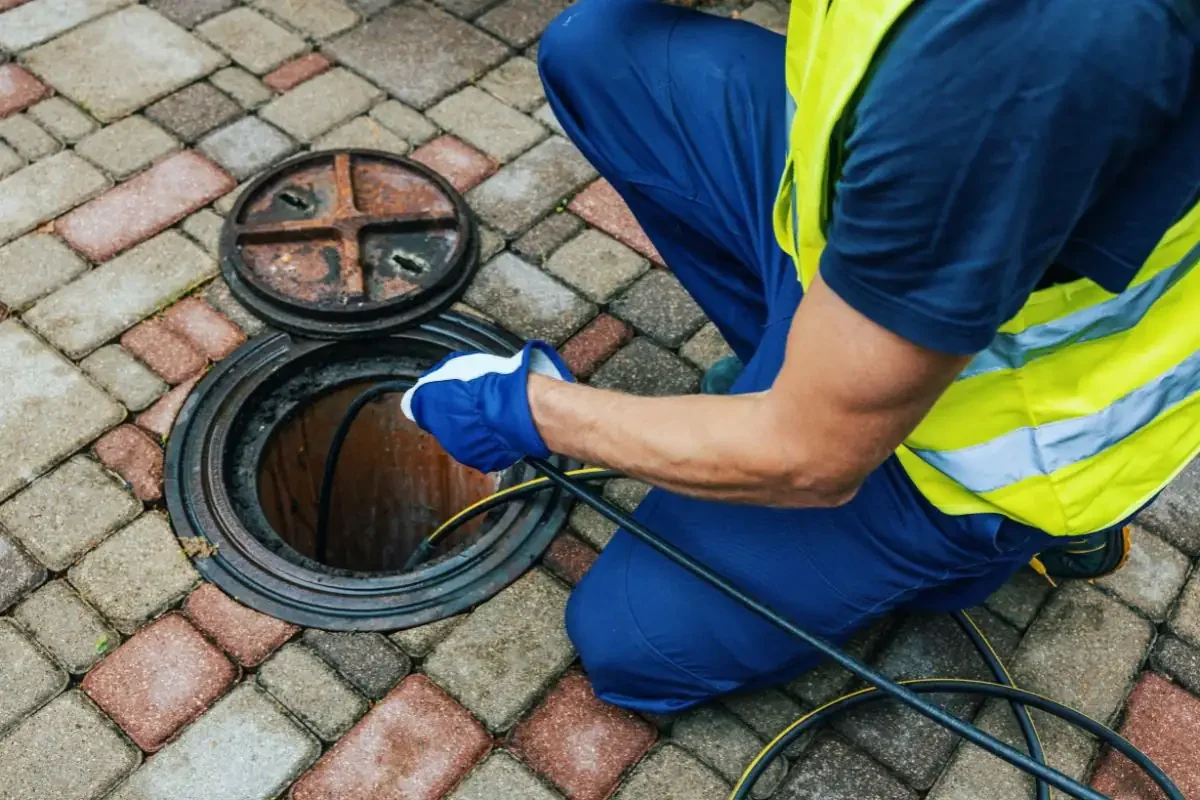
Pipe diameter. Wider pipes need greater water volume, not just higher pressure. A 4-inch main line moves water differently than a 1.5-inch sink drain.
Clog type. Grease responds to lower sustained pressure. Tree roots often need 3,000 PSI or more. Mineral scale buildup from hard water requires consistent pressure with proper nozzle selection.
Pipe material and age. PVC, cast iron, and clay tile each have different pressure tolerances. Older pipes can fracture if the pressure is set too high.
Distance from the cleanout. Longer pipe runs lose some pressure along the way. The technician accounts for this when dialing in the settings.
For example, on a Broomfield job involving an older clay tile lateral line, we start conservative — often in the 1,500–2,000 PSI range — and only increase if the line shows it can handle more after camera inspection. Clay tile is brittle. Getting it wrong causes more damage than the original clog.
Understanding the variables is half the battle. The other half is making sure your pipes can handle the pressure.
Is High-Pressure Hydro Jetting Safe for My Pipes?
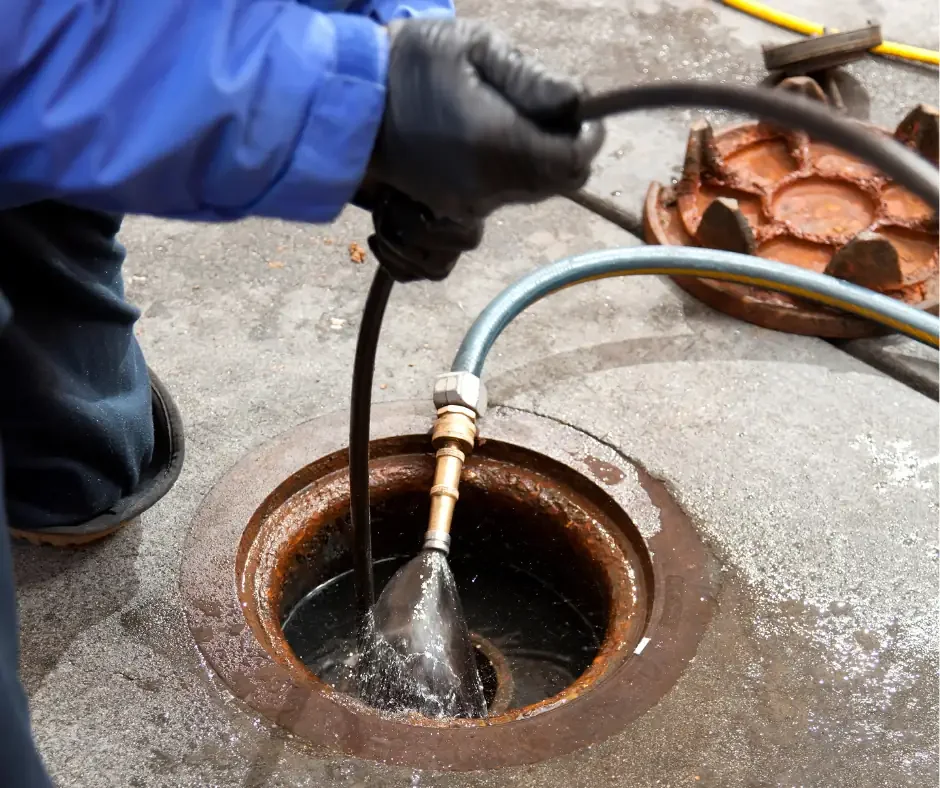
This is one of the most common questions we hear — and it is a fair one. The short answer is yes, when done correctly by a licensed technician who inspects first.
Here is what responsible hydro jetting looks like:
Camera inspection before jetting is the standard. We run a video camera through the line before any water pressure touches your pipes. If we see cracks, severe corrosion, or pipe separation, we adjust the approach.
Cast iron and clay tile need lower PSI. Older pipe materials are more brittle. We do not apply the same pressure we would use on a modern PVC system.
PVC in good condition handles standard residential PSI well. Most homes built after the 1980s in Broomfield have PVC drain lines that tolerate 1,500–2,000 PSI without issue.
Hydro jetting is safer long-term than repeated chemical drain cleaners. Chemical cleaners degrade pipe walls over time. High-pressure water clears the line without leaving corrosive residue behind.
Signs your pipes may need inspection before jetting:
The home was built before 1980
You have had recurring slow drains in the same line
You notice gurgling sounds after flushing or draining
A prior plumber found root intrusion or pipe damage
Want to know if your pipes are a good fit? Explore our Broomfield CO hydro jetting service page.
Hydro Jetting in Broomfield CO — What Local Conditions Matter
Broomfield has a wide range of home ages. A significant share of the housing stock was built before 2000, which means cast iron, clay tile, and early PVC drain lines are common throughout the area. That mix of pipe materials directly affects how we approach hydro jetting jobs here.
Colorado's hard water is another factor. The Front Range is known for high mineral content in its water supply, and Broomfield is no exception. Over time, calcium and magnesium deposits build up on the interior walls of drain lines, narrowing the flow and setting the stage for stubborn clogs. This kind of mineral scale often needs sustained pressure — and the right nozzle — to break apart fully.
Local note: Tree root intrusion is one of the most common issues we find in older Broomfield neighborhoods. Mature trees with aggressive root systems — cottonwoods especially — seek out moisture in sewer laterals. Once roots get in, they grow fast. Clearing them often requires 3,000 PSI or more, and a camera inspection to confirm the roots have not cracked the pipe wall.
Spring runoff is also worth noting. Heavy snowmelt strains older lateral lines in Broomfield, particularly those already narrowed by scale or root growth. If you notice slow drains in the spring, that is not a coincidence.
Colorado requires plumbers to hold a valid state license through the Department of Regulatory Agencies (DORA). Our license number is MP.03000945. When you hire The Drain Cleaning Company, you are working with a licensed and insured team that knows local plumbing conditions well.
What to Ask Before Hiring a Hydro Jetting Service in Broomfield
Not every plumber who offers hydro jetting uses the same process — or the same standards. Before you book, here are five questions worth asking.
5 Questions to Ask Your Hydro Jetting Company:
Do you run a camera inspection before jetting? Any reputable crew should inspect the line first. If they skip this step, the risk of pipe damage goes up.
What PSI range do you use for my pipe type? A knowledgeable technician can answer this quickly. Vague answers are a red flag.
Are you licensed and insured in Colorado? Ask for license confirmation. Colorado plumbers must be licensed through DORA. Our license number is MP.03000945.
Do you guarantee the work? Find out what happens if the drain backs up again within a short window. A reputable company stands behind the job.
What does your pre-jetting process look like? At The Drain Cleaning Company, we always start with a video inspection. We show you the camera footage, explain what we find, and set PSI based on your specific pipe condition — not a default setting.
We give you a clear price before any work begins. No hidden fees, no pressure to buy services you do not need. Our team is available seven days a week from 7am to 10pm, and we take emergency calls because backed-up drains do not wait.
Ready to clear your drains for good? Contact us today — learn about professional hydro jetting services in Broomfield CO and schedule your inspection.
The Drain Cleaning Company 7180 W 117th Ave D, Broomfield, CO 80020 (720) 948-4175