

What Steps Should Be Taken Before Sewer Line Excavation in Broomfield, CO?
Most homeowners skip straight to cost. Before any crew digs up your yard in Broomfield, the steps taken before excavation often decide whether you even need to dig at all. That is not an exaggeration — a camera inspection alone has saved hundreds of homeowners from unnecessary excavation costs. Knowing what should happen first protects your yard, your wallet, and your project timeline.
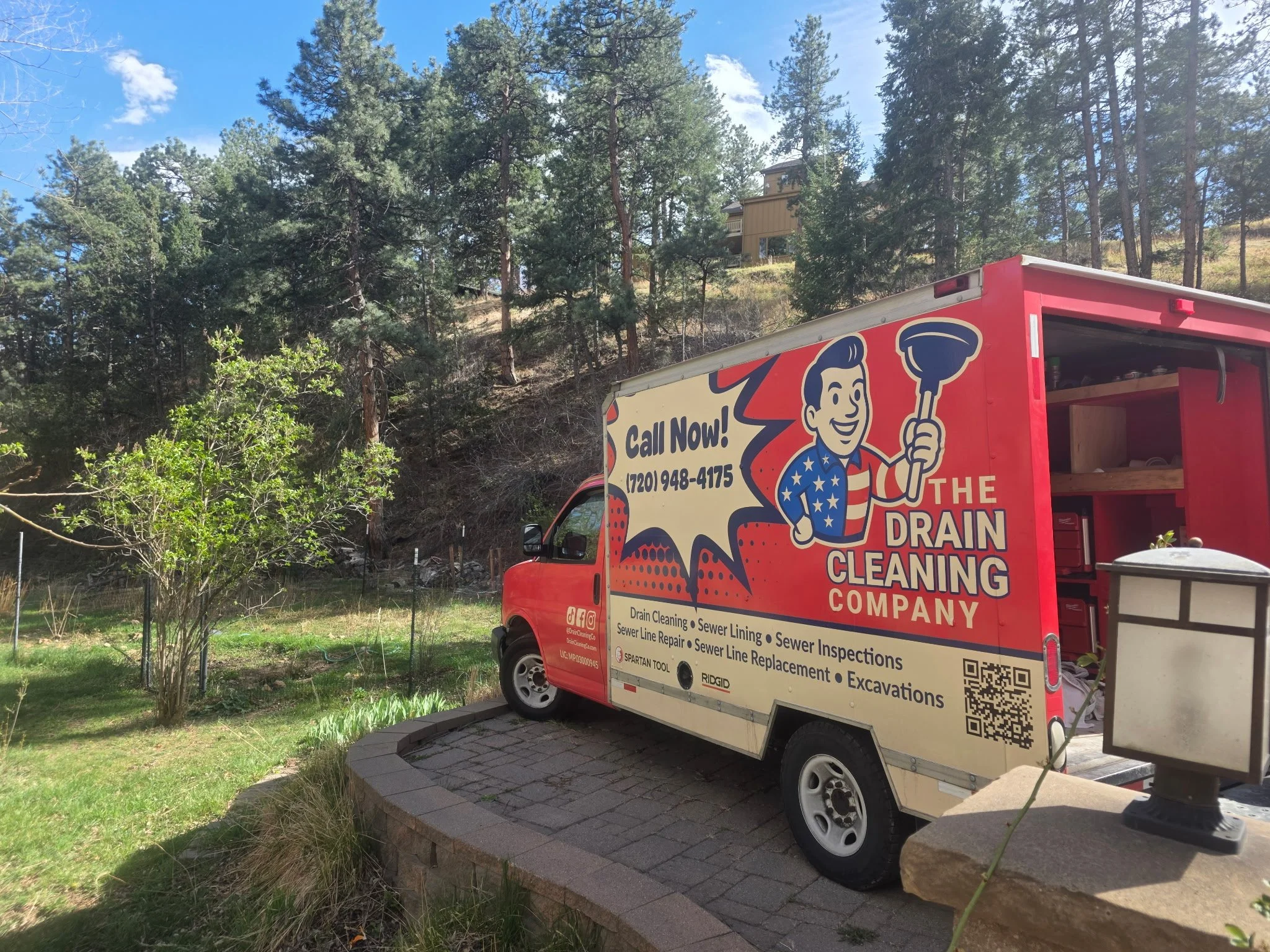
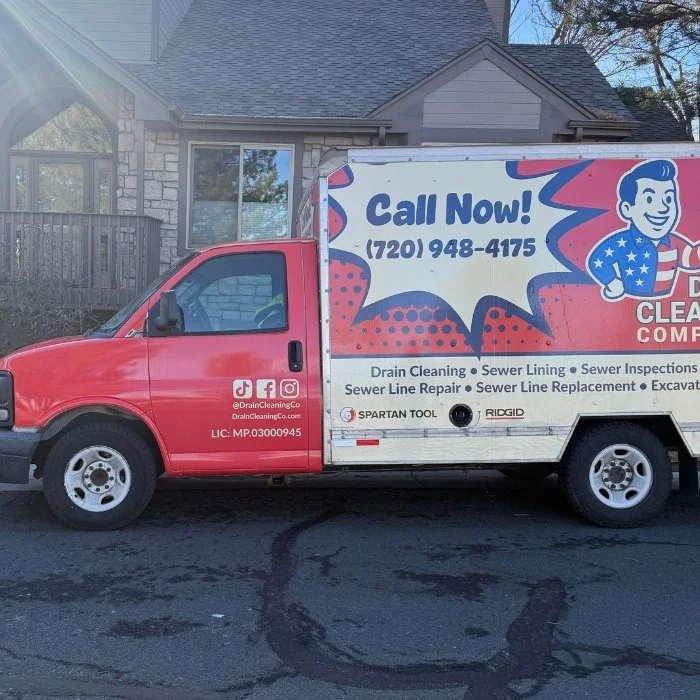
At The Drain Cleaning Company, we are a veteran-owned, fully licensed plumbing company based right here in Broomfield (License No. MP.03000945). We have walked through this process with homeowners across the Denver metro area. This guide covers exactly what steps should be taken before sewer line excavation in Broomfield, CO — so nothing gets missed and no one breaks ground without a plan.
You will learn how inspections, utility locates, permits, and site prep all work together. Each step is explained in plain language so you know what to expect and what to ask your contractor.
Before Anyone Digs — The 5 Steps That Must Happen First
What steps should be taken before sewer line excavation in Broomfield, CO?
Before sewer line excavation in Broomfield, CO, these steps should be completed in order:
Camera inspection — A licensed technician runs a video camera through the sewer line to locate the exact problem and determine whether excavation is actually needed.
Utility locate (811 call) — Colorado law requires all underground utilities to be marked before any digging begins.
Permit pull — Broomfield requires excavation and plumbing permits for lateral work connecting to the public main. Your contractor handles this.
Access and site prep — Clear the work area and confirm equipment has enough clearance to reach the dig site.
Review trenchless options — Ask whether pipe lining or pipe bursting can solve the problem without full excavation.
The best first step is always a sewer line inspection in Broomfield — it tells you exactly what you are dealing with before anyone touches a shovel.
1. Start With a Sewer Camera Inspection — Here's Why
A sewer camera inspection is not optional. It is the step that drives every decision that follows. A licensed technician feeds a camera through your sewer line and gets eyes on the actual damage — root intrusion, a collapsed section, an offset joint, or pipe corrosion. Without that footage, an excavation crew is guessing. And guessing costs you money.
The camera tells you two things fast. First, exactly where the problem is. Second, whether full excavation is even required. Many calls we get from Broomfield homeowners expecting a full dig turn out to need only pipe lining once we see what is actually going on inside the line. That information changes everything.
| What a Camera Inspection Can Find | What It Rules Out |
|---|---|
| Root intrusion location and severity | Unnecessary excavation in the wrong spot |
| Collapsed or offset pipe sections | Guesswork on repair scope and cost |
| Cracks, corrosion, or buildup | Over-quoting based on assumptions |
| Pipe material and diameter | Recommending lining when conditions do not support it |
One thing we see constantly on Broomfield calls is homeowners who were quoted a full excavation by another contractor without a camera ever going in the line. Once we run our inspection, the picture changes. Sometimes the damage is localized. Sometimes it is in a spot that works perfectly for trenchless repair. The camera is how you know.
Get a professional sewer line inspection Broomfield CO before you authorize any digging.
2. Call 811 Before Anyone Digs — Colorado Law Requires It
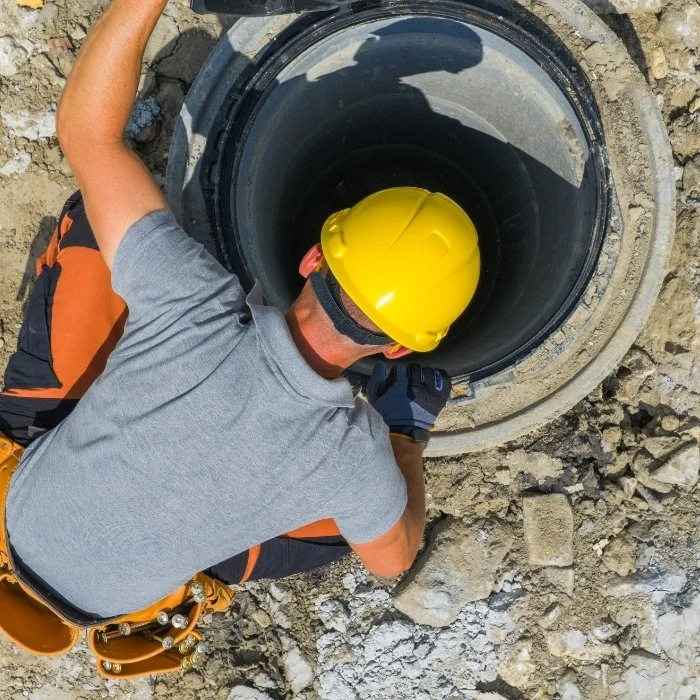
Colorado is an 811 state. That means before any excavation begins — no exceptions — the underground utilities in the dig area must be marked. Gas lines, water mains, electric conduit, telecom cables — all of it. Skipping this step can result in fines, damaged lines, and serious liability for everyone involved.
Your contractor places the 811 call, not you. But you should confirm it happened. Colorado law requires a minimum of three business days' notice before work begins, so this call needs to happen well before the crew shows up. Plan for that window when scheduling.
And if a contractor shows up ready to dig without ever mentioning 811? That is a red flag. Walk away.
What 811 Marks — and What It Does Not
✓ Natural gas lines
✓ Electric lines and conduit
✓ Water mains (public)
✓ Telecom and cable lines
✗ Private irrigation lines
✗ Privately-owned gas or water laterals on your property
✗ Unmarked or older utility lines not on record
So the 811 process covers public utilities. Private lines — like your irrigation system — are your responsibility to document and communicate to the crew before digging starts.
3. Do You Need a Permit for Sewer Excavation in Broomfield?
Yes. In most cases, sewer excavation work in Broomfield requires a permit through the City and County of Broomfield Building Division. Any lateral work that connects to the public sewer main — which describes most residential sewer repairs — typically falls under this requirement.
Your licensed contractor pulls the permit. You should receive a copy. Do not let a contractor skip this step and do not let them talk you out of asking for it.
Unpermitted sewer work creates real problems. It can complicate homeowner's insurance claims after a backup or failure. It can surface during a home inspection when you go to sell. And if the work does not meet code, you may be responsible for correcting it out of pocket. Permitted work gets inspected — and that inspection protects you.
When we pull permits on Broomfield jobs, the inspection adds time to the project timeline. But it also means the work is on record, the repair meets local code, and our clients are covered if a question ever comes up later.
Who Handles Each Step
| Task | Contractor | Homeowner |
|---|---|---|
| Apply for excavation/plumbing permit | ✓ | |
| Pay permit fees | ✓ | |
| Schedule city inspection | ✓ | |
| Receive and keep a copy of the permit | ✓ | |
| Confirm permit was pulled before work starts | ✓ |
Get a sewer line inspection in Broomfield first — the scope of the inspection report is often what determines the permit type your contractor needs.
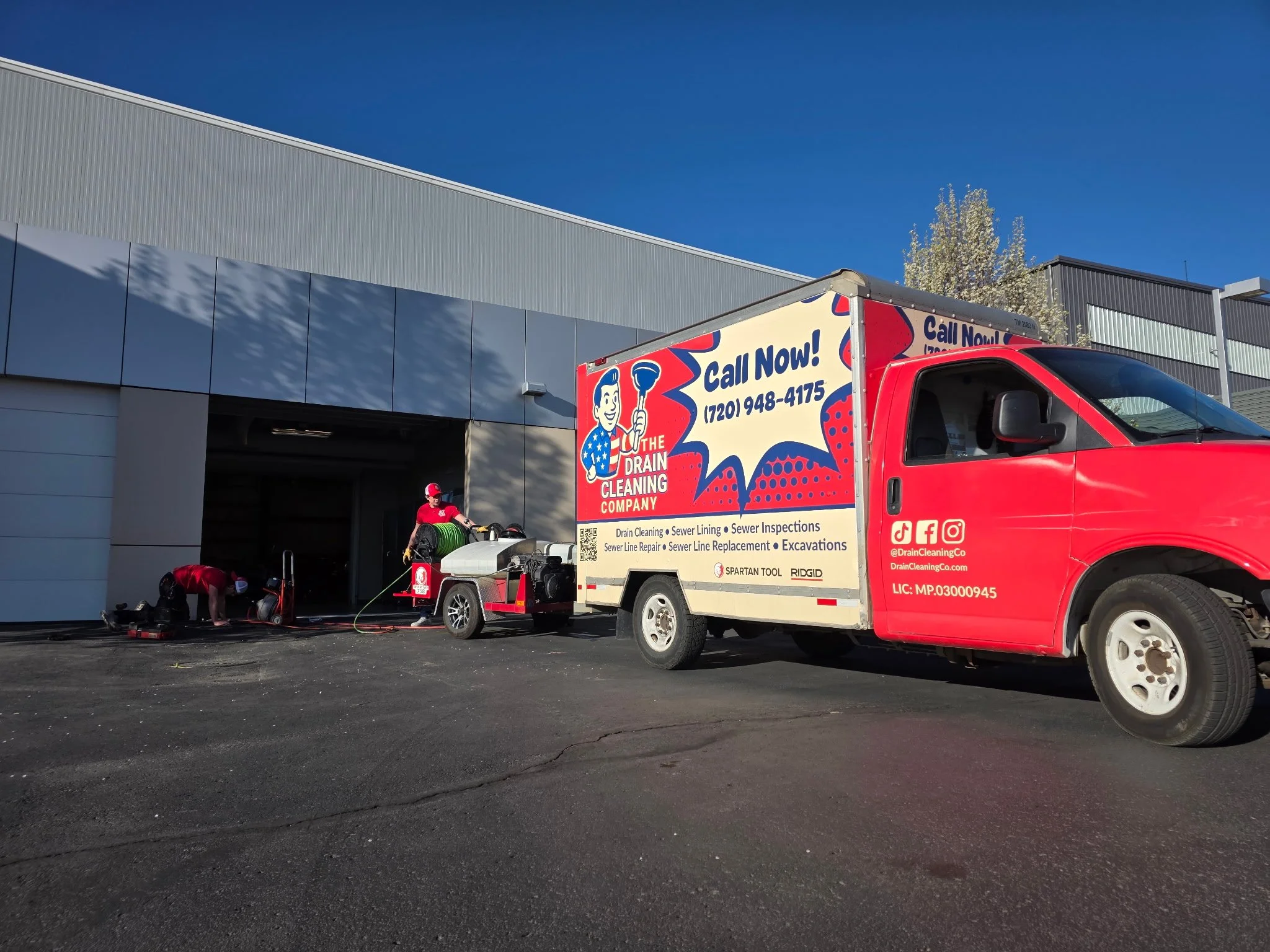
4. Prep the Site — What Needs to Happen Before the Crew Arrives
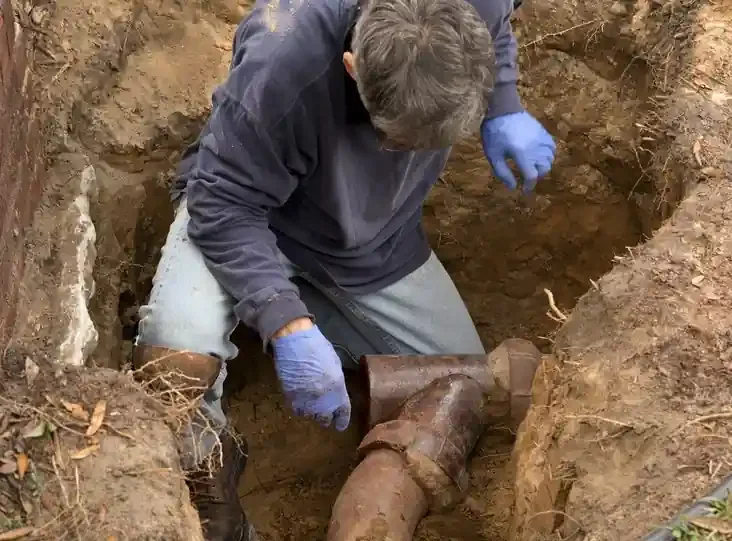
Excavation crews work with heavy equipment. They need room. A little preparation on your end keeps the project moving and protects your property from avoidable damage.
Clear the dig path before the crew arrives. That means moving vehicles, outdoor furniture, planters, decorative fencing, and any landscaping features that sit over or near the sewer line route. If there is a gate or fence section blocking equipment access, have a plan to open or remove it. Excavation machinery needs real clearance — not just a narrow gap.
Know where your sewer cleanout is located. If you do not have one, your technician may recommend adding one during the repair. That is worth discussing upfront. And before the job starts, talk through restoration expectations with your contractor. Who handles concrete repair? Who puts the pavers back? Who re-seeds the lawn? Get that in writing.
If the sewer line will be offline for more than a day, think through a temporary plan for your household. Staying with family or making other arrangements for 24–48 hours is a lot easier to plan ahead than to scramble for last minute.
5 Things to Do Before the Excavation Crew Arrives
Clear vehicles and large objects from the dig path and surrounding area
Remove or relocate any fencing, gates, or landscaping blocking equipment access
Locate your sewer cleanout and point it out to the technician on arrival
Confirm in writing who is responsible for site restoration after the dig
Arrange temporary accommodations if sewer service will be offline overnight
5. Should You Consider Trenchless Repair Before Committing to Excavation?
Before you sign off on a full excavation, ask one question: is trenchless an option? Pipe lining and pipe bursting can fix a wide range of sewer problems without digging up your yard. But they are only viable after a camera inspection confirms the pipe's condition, diameter, and layout.
Trenchless repair is faster. It is less disruptive. And in many cases, it costs less when you factor in the restoration work you avoid — concrete, pavers, landscaping. But it is not the right answer for every job. A pipe that has fully collapsed, for example, cannot be lined. A pipe with too many bends may not support bursting. That is why the camera inspection comes first.
Ask your contractor for a written comparison before you sign anything. A good contractor will show you what the camera found, explain why they are recommending one method over the other, and give you numbers for both options.
| Trenchless Repair | Traditional Excavation | |
|---|---|---|
| Cost Range | Often comparable; saves on restoration | Higher when restoration is included |
| Timeline | Hours to one day in many cases | One to several days depending on scope |
| Best For | Cracked, corroded, or root-invaded pipe in good structural shape | Collapsed pipe, full replacement, complex access situations |
On Broomfield jobs where the pipe diameter and material supported it, we have used lining to cut project time from days to a single afternoon. But we only know that is possible after the camera tells us. So do not skip step one.
Start with a Broomfield sewer line inspection to find out which method fits your situation.
The Right Order Makes All the Difference
Every one of these five steps exists for a reason. The inspection tells you what you are dealing with. The 811 call keeps the crew safe and keeps you out of legal trouble. The permit protects your home at resale and after any insurance claim. Site prep keeps the project moving without surprises. And reviewing trenchless options before committing to excavation might save you thousands.
None of these steps should be skipped. And none of them should be rushed. A contractor who wants to skip straight to digging is not doing you a favor.
The inspection is the gateway. It shapes every decision that follows — permit type, repair method, site prep, timeline. Do not authorize excavation without it.
Schedule a sewer line inspection in Broomfield, CO today and know exactly what you are dealing with before anyone picks up a shovel.
Frequently Asked Questions
-
Yes, Broomfield typically requires an excavation or plumbing permit for any sewer lateral work that connects to the public main. Your licensed contractor pulls this permit — ask for a copy before work begins.
-
Your contractor should place the 811 call, but you should confirm it happened before any digging starts. Colorado law requires at least three business days' notice, so this needs to be done well in advance of the crew's arrival.
-
Trenchless repair — pipe lining or pipe bursting — can replace excavation in many cases, but only after a camera inspection confirms the pipe's condition and layout support it. A collapsed pipe, for example, cannot be lined. The camera inspection tells you which method is right for your situation.
-
Excavation projects typically run one to several days depending on scope, depth, and pipe length. Permit inspection timelines can add additional days. If trenchless repair is viable, the same job can often be completed in a single day.
-
Clear the dig path of vehicles, furniture, fencing, and landscaping. Confirm equipment has adequate access. Locate your sewer cleanout. Get restoration responsibilities in writing. And if the sewer will be offline overnight, plan temporary arrangements for your household.
The Drain Cleaning Company 7180 W 117th Ave D, Broomfield, CO 80020 (720) 948-4175 Available 7am–10pm, 7 days a week
Save the number of a reliable emergency plumber Broomfield CO before you need one: (720) 948-4175.
