


Clay Pipe Replacement in Broomfield, CO
Broomfield homes with aging clay sewer lines need fast, reliable replacement before a small crack becomes a full backup. Call today to schedule a camera inspection and get a same-day assessment.
Many homes in Broomfield, CO built before 1980 still have original clay sewer pipes running underground. This page covers clay pipe replacement — what triggers it, how the process works, and what you can expect from start to finish. You will learn what signs to watch for, when repair is not enough, and how to get started quickly. As your local plumber in Broomfield CO, we help homeowners protect their homes from sewer line failure before it becomes a bigger problem.
What Is Clay Pipe Replacement in Broomfield, CO?
Clay pipe replacement is the process of removing old ceramic sewer lines and installing new pipes, usually PVC. Most clay sewer pipes in Broomfield were installed between the 1940s and 1970s and have a lifespan of 50–60 years. A plumber uses a camera to locate damage, then excavates or uses trenchless methods to swap out the old line.
Common reasons to replace:
Cracks, root intrusion, or collapsed sections
Repeated sewage backups in the home
Pipe has shifted due to soil movement or freeze-thaw cycles
Signs Your Broomfield Home Needs Clay Pipe Replacement
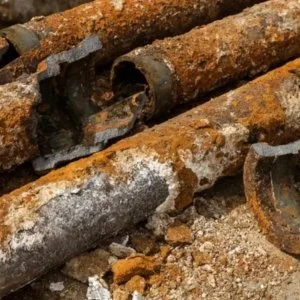
Clay pipes crack, shift, and let tree roots in over time. Slow drains and sewage smells are two of the earliest signs something is wrong underground. Repeated backups or gurgling toilets in your Broomfield home may point to a damaged sewer line that no amount of snaking will fix long-term.
A camera inspection gives you a clear picture of what is happening before any digging starts. In older Broomfield neighborhoods like Westlake Village, mature trees are a common culprit. Their roots seek out clay pipe joints and work their way in, causing blockages and accelerating damage.
When Clay Pipe Repair Is Not Enough

Short cracks or single joint failures can sometimes be addressed with pipe lining or spot patching. But in Broomfield homes where the pipe has collapsed, shifted, or shows widespread damage along its length, full replacement is the safer long-term fix.
Repeated repairs on the same failing line add up fast. Over time, those costs exceed what a single replacement would have run. Broomfield's clay-heavy soil expands and contracts with each season, which speeds up pipe deterioration and makes partial repairs less reliable year after year.
How Clay Pipe Replacement Works From Start to Finish
A licensed plumber starts by running a sewer camera to map the damage and measure the pipe's depth and path beneath your property. From there, the crew either excavates traditionally or uses trenchless pipe-bursting to pull out the old clay and draw in new PVC in its place.
Most residential jobs in Broomfield are complete within one to two days, depending on line length and depth. In neighborhoods like Brandywine, trenchless methods are especially useful for protecting driveways and landscaping during the job. We walk you through the plan before we start so there are no surprises.
What to Expect During and After Sewer Line Replacement
Expect a temporary water shutoff during the replacement. Your plumber will give you a clear timeline before work begins so you can plan accordingly. The shutdown period is typically short, and we work efficiently to get your service restored.
After the new PVC line is in place, we run a final camera pass to confirm the pipe is properly seated and flowing. Broomfield homeowners typically notice improved drainage right away and no more foul odors near floor drains. We restore the excavated area and walk you through proper care for your new line before we leave.
How Broomfield's Soil and Climate Affect Clay Pipe Lifespan
Colorado's freeze-thaw cycles push soil up and down every winter, stressing buried clay pipes at every joint. In Broomfield, expansive soils are common across Adams and Jefferson County. These soils shift enough to crack even sections of clay pipe that appear intact from the outside.
Homeowners in areas with heavy clay soil tend to see pipe failure sooner than the average 50–60 year lifespan would suggest. Scheduling an inspection before problems surface gives you the chance to replace on your own timeline — not in the middle of an emergency.
How to Prepare Your Property for Clay Pipe Replacement
Before our crew arrives, mark any sprinkler heads, invisible fence lines, or buried utility features in your yard. Clear vehicles from the driveway and move patio furniture away from the planned work zone. These small steps help the job go smoothly and protect your property.
Broomfield city code requires a permit for sewer line replacement. Your licensed plumber handles the permit pull so you do not have to navigate that process yourself. On job day, keep pets and children away from the excavation area. Cleanup and surface restoration follow shortly after the work is done.
Frequently Asked Questions
How do I know if my Broomfield home still has clay sewer pipes?
Homes built before 1980 in Broomfield likely have clay sewer pipes. A camera inspection confirms the material and the current condition of the line.
Can my clay sewer pipe be repaired instead of replaced?
Small cracks or isolated joint failures may qualify for pipe lining or spot repair. Widespread damage along the line usually calls for full replacement to avoid ongoing problems.
How long does clay pipe replacement take in Broomfield?
Most residential jobs in Broomfield take one to two days. Trenchless jobs often finish faster and cause less disruption to your yard and driveway.
Do I need a permit for clay pipe replacement in Broomfield, CO?
Yes. Broomfield requires a plumbing permit for sewer line work. A licensed plumber pulls and closes the permit as part of the job.
Will clay pipe replacement damage my yard or driveway?
Trenchless methods minimize surface damage. Traditional excavation requires some restoration, which is included in the scope of work your plumber outlines before starting.
What happens if I wait to replace a failing clay pipe?
Waiting puts your home at risk of sewage backup, foundation saturation, and higher repair costs from extended damage. Acting early is almost always less costly than waiting for a failure.