

Clay Pipe Replacement in Westminster, CO
Clay and Orangeburg sewer laterals fail often in Westminster's older homes, cracking and shifting from clay-shale soil. A camera inspection confirms the damage before we recommend trenchless or open-cut repair.
Westminster's older homes are running out of time on clay pipe. Most laterals from the postwar building boom still carry raw clay tile underground, and that material is aging out fast. We're veteran-owned and hold Colorado plumbing license MP.03000945. Our crews have pulled camera footage from hundreds of these lines across town.
Denver Basin clay-shale sits under most of this city — the Pierre Shale and Denver Formation layers. That soil swells when it rains and shrinks hard by late summer. That movement racks pipe joints sideways. It hits hardest near old irrigation ditch alignments, where the ground stays damp year-round.
If you need clay pipe replacement in Westminster, we start the same way: a camera scope. That footage shows the real damage first — offset joints, root masses, or bellies. Then you get a straight, licensed opinion — not a guess. So you never pay for more work than the pipe actually needs.
How Do You Know You Need Clay Pipe Replacement in Westminster?
Watch for backups that return every spring.
Notice gurgling drains or slow flow near your foundation.
Check your home's age — Westminster houses built before 1980 often have clay or Orangeburg lines.
Schedule a camera inspection to see the pipe's real condition.
Look for offset joints, root masses, or bellies on the video.
Get a repair or replacement recommendation based on what the camera finds.
A camera scope decides the fix, not guesswork.
Clay Pipe Failure Signs in Westminster Homes
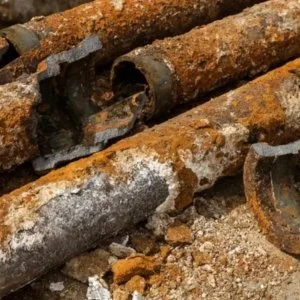
Clay pipe cracks as it ages. Joints separate first, then shift out of line as the soil around them moves. Gurgling drains, slow flow, or a musty smell near the sewer line all point the same way.
Here in Westminster, Pierre Shale clay drives most of this. The ground swells every spring and dries hard by August, and that cycle pushes joints apart year after year. Catching it early with a camera means smaller repairs and fewer surprises.
One thing we see constantly on Westminster calls: homeowners blaming bad luck for a spring backup. But that's not luck — it's the clay-shale cycle working exactly the way it always does.
Postwar Neighborhoods Carry the Highest Clay Pipe Risk
Westminster grew fast in the 1950s through the 1970s. Builders used clay tile and Orangeburg pipe almost everywhere during that boom, and most of it is still underground today.
South Westminster and Historic Olde Town, near the old Lowell Blvd core, carry the highest risk. Knowing your home's era narrows things down before anyone digs. Newer areas like Legacy Ridge, Bradburn Village, Wildgrass, and Broadlands were built on PVC and SDR-35 instead.
Most of the time when this happens in Legacy Ridge, it's not clay pipe at all. That's the wrong era for clay, so we look elsewhere first. A broken fitting or a settled trench line is the more likely cause.
Camera Inspection Decides Repair, Trenchless, or Open-Cut
A camera scope shows the real damage pattern before anyone picks a method. It moves down the line and records where joints shifted, roots grew in, or the pipe bellied out.
This matters most for homeowners choosing between a quick fix and full replacement. Westminster's moderate-to-hard water can coat roots in a mineral crust. On video, that crust sometimes mimics a structural belly.
One inspection replaces guesswork and repeat service calls. What homeowners don't realize is that a belly call from video alone isn't final. We confirm it with a level shot, or a second pass after clearing the roots.
Trenchless Clay Pipe Replacement for Offset Joints and Root Intrusion
Pipe bursting and CIPP lining both replace a pipe without opening your yard. A new pipe forms inside or beside the old one, and your landscaping never gets touched.
This fits Westminster homes with several offset joints and root intrusion, but no major grade loss. Driveways, sidewalks, and mature landscaping all stay in place. Frost depth near most foundations here runs about 30 to 36 inches. That top zone usually shows the worst joint separation.
Most of the time when this happens near a foundation, homeowners assume it's root intrusion. Heave-driven offset gets blamed on roots more often than it should. We check the grade first — roots come second.
What to Expect During Clay Pipe Replacement in Westminster
The job always starts with a camera scope. From there, we decide on a method — trenchless or open-cut — based on exactly what the video shows. Then we schedule the work and walk you through each step before we start.
Some Westminster homes have shifting pressure zones from the city's water system. Every so often, we find an aftermarket pressure-reducing valve added later to an old clay tie-in. That clear sequence — scope, decide, execute — means no unnecessary digging and no surprises partway through.
Finding one of those valves on a clay lateral tells us something important. A past owner already fought pressure-related joint failure here. That history helps us plan the replacement so the same problem doesn't come back.
Open-Cut Replacement for Clay-Shale Bellies and Grade Loss
Sometimes bellies string together along a long run of pipe. When that happens, the grade itself has failed, not just one joint. Full excavation is the only real fix here.
This applies to older Westminster laterals showing repeated sags on camera. A rebuilt grade stops the cycle of backups for good. Homes near the century-old irrigation ditch alignments in this city see the worst bellies, from decades of chronic ground seepage.
One thing we see constantly on Westminster calls is a line that's been snaked three times before anyone scopes it. Re-cabling the same clog over and over just delays the real fix. By the time we get the camera down there, the joint separation has usually gotten worse.
Frequently Asked Questions
-
Sometimes, depending on the damage pattern we find. Multiple offset joints with root intrusion, but no grade loss, often qualify for trenchless lining instead of open-cut digging.
-
Homes built during the 1950s-70s boom usually have it. If you're in South Westminster or Historic Olde Town, assume clay or Orangeburg. A camera scope will confirm it either way.
-
Yes, transition fittings join PVC to clay cleanly. A plumber seals the connection so root intrusion and leaks don't return at the joint.
-
Shrink-swell clay-shale soil is the main cause here. Denver Basin clay swells every spring and dries hard by summer, racking joints and creating bellies over time.
-
Not always — it depends on the damage pattern found. Offset joints with root intrusion often qualify for trenchless methods, while long runs of bellies usually need open-cut work.
-
Timing depends on the method and the damage we find. Trenchless jobs move faster with no excavation, while open-cut replacement on long runs takes longer to dig and backfill.