


Commercial Drain Cleaning in Westminster, CO
Licensed plumbers clear grease, scale, and sanitary line clogs for Westminster commercial properties. Same-day service keeps kitchens, retail floors, and office buildings running without downtime.
What Does Commercial Drain Cleaning in Westminster, CO Involve?
Here's what our process looks like on a typical commercial call:
We ask about symptoms first, to tell a grease clog from a sanitary line problem.
We locate the exterior cleanout or roof vent for access.
On repeat calls or buildings over 25 years old, we camera the line before touching it.
We choose cabling or hydro jetting based on the pipe's age and condition.
We clear the blockage, then flush the line fully.
We flag any foundation movement or undersized interceptor to your property manager.
Commercial Drain Cleaning Covers Grease, Scale, and Sanitary Line Clogs in Westminster
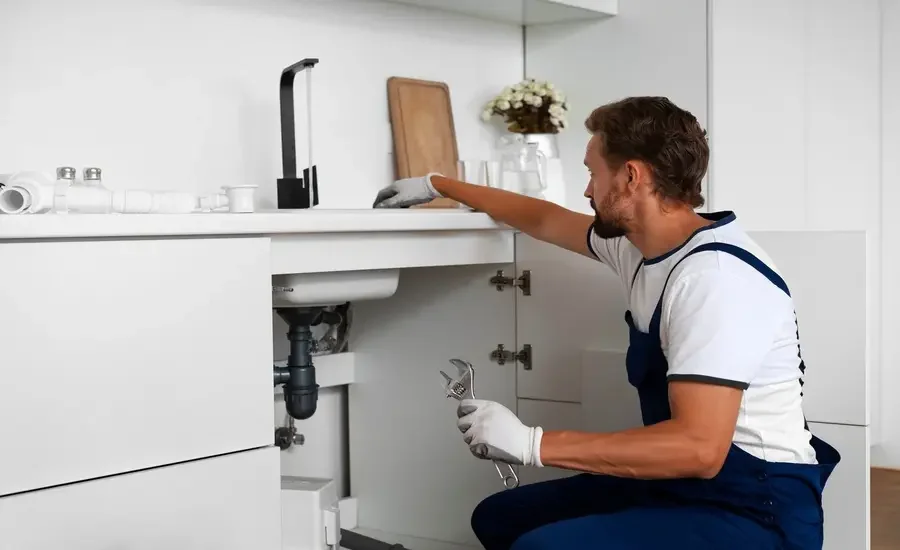
Commercial drain cleaning clears kitchen, floor, and sanitary line blockages. We use cabling, hydro jetting, or camera inspection, depending on what's clogging the line. Grease needs a different fix than mineral scale or pipe damage.
Restaurants, offices, and retail buildings across Westminster all lean on this service to stay open. Property managers get working drains and fewer repeat calls from tenants. Westminster's hard water, roughly 8-12 grains per gallon, adds mineral scale to almost every grease clog we find. That scale bonds with grease inside interceptor baffles, creating a harder blockage than grease alone. Hot water flushing usually fails here, so mechanical jetting or descaling gets the job done.
Restaurants, Retail Centers, and Office Buildings in Westminster Need Regular Drain Service
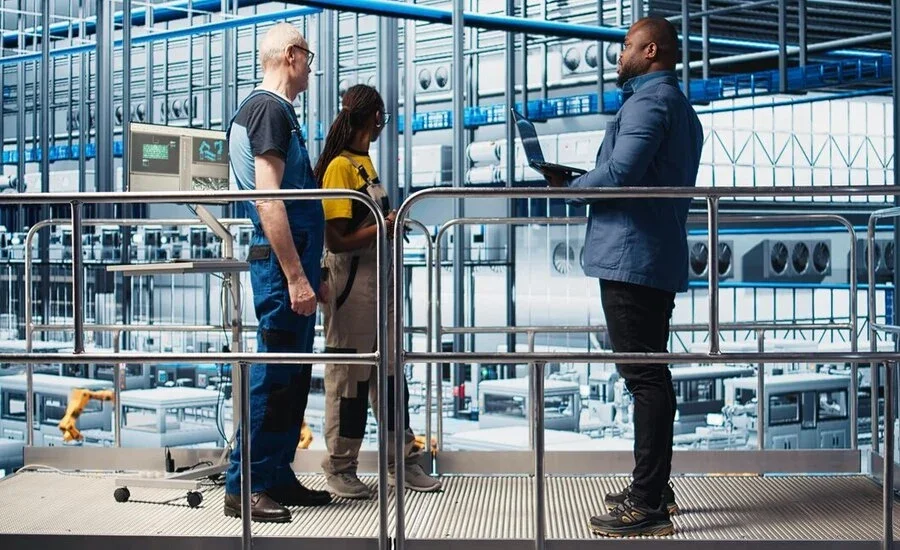
Any building with a kitchen, mop sink, or floor drain needs regular drain service. Restaurants need it most, since grease and food waste build up fast. Multi-tenant buildings share lines, so one tenant's clog can back up into another tenant's space.
Tenants in the Westminster Promenade and Orchard Town Center corridor deal with this often. Regular service stops one restaurant's grease load from flooding a neighbor's floor drain. Many buildings along this retail corridor share laterals between several food tenants on one pad. What we see constantly is a new tenant inheriting an old interceptor sized for a smaller concept, like a coffee shop becoming a full kitchen, and that mismatch causes sudden, repeat backups.
Westminster's Clay Soil and Aging Pipes Cause Repeat Commercial Backups
Westminster sits on Denver Basin and Pierre Shale clay. This soil swells when wet and shrinks when dry. That movement shifts pipes underground and causes bellies, offsets, and separated joints at the foundation wall.
Older commercial buildings and big-box pads across town show this pattern the most. Finding a belly or offset early stops the same cleanout from backing up every few months. Big-box buildings along the 120th and I-25 corridor sit on cut-and-fill lots, so laterals can belly mid-run under the warehouse floor, not just at the property line. A recurring backup at the same cleanout every 6 to 12 months usually points to a belly or offset at the foundation, not grease or paper buildup.
Warning Signs Mean It's Time to Call a Commercial Drain Tech
Slow floor drains, sewer odor, and backups during rush hours are common warning signs. Gurgling sounds and standing water near equipment also mean a clog is forming. Waiting too long can turn a small clog into an emergency shutdown.
Kitchen managers and property managers across Westminster watch for these signs every day. Catching them early keeps a business open instead of forcing a closure. Backups that only happen during cold snaps often mean frozen exterior lines, not clogs. A loading dock drain that clears on its own once temperatures rise is ice, not debris, and needs no cleaning at all.
What to Expect During a Commercial Drain Service Call
A technician checks your symptoms first, to separate a grease-side problem from a sanitary-side one. Camera inspection often comes before jetting, especially in older buildings. Then the tech clears the line and reports anything bigger found along the way.
Property managers in Westmoor Business Park and other older Westminster office parks see this process the most. Camera-first service keeps a simple clog from turning into a bigger pipe failure. Westmoor's original office buildings run cast iron sanitary lines that are now 35 to 40 years old, often with no interior cleanout. Pitted, aging cast iron can perforate under aggressive hydro jetting. So we camera first and confirm pipe condition before choosing pressure.
Grease Interceptor Maintenance Prevents Emergency Backups
Grease interceptors trap fat, oil, and grease before it reaches the sewer line. Regular pump-outs keep them from overflowing into the drain system. Skipping this service is the top cause of repeat commercial drain calls.
Restaurant tenants across Westminster's retail and business corridors depend on this upkeep to stay open. A properly sized, well-serviced interceptor means fewer emergency calls during your busiest hours. Pump-out schedules should match real tenant volume, not just a manufacturer's default schedule. Undersized or infrequently serviced interceptors are the single biggest driver of repeat commercial drain calls we see across Westminster's retail and restaurant corridors.
Frequently Asked Questions
-
Slow floor drains, sewer odor, and repeat backups mean it's time to call a pro. These signs often show up near kitchen equipment first. Catching them early avoids an emergency shutdown during business hours.
-
Techs camera the line first, then clear it with cabling or jetting. This step matters most in older Westminster buildings with aging pipe. Skipping the camera step risks turning a small clog into a bigger break.
-
Store-bought cleaners can't break up scale-bonded grease inside interceptors. Westminster's hard water causes mineral scale to cement onto grease, making the clog denser than grease alone. Mechanical jetting clears it; chemicals usually can't.
-
Root intrusion and shifting clay soil cause most repeat commercial clogs. This shows up most in the older Federal Blvd and 88th Ave corridor, where clay tile and transite laterals are common. Mechanical cutting clears the blockage, but the joint often needs a follow-up scope.
-
Pump-out schedules should match actual kitchen volume, not a default schedule. A concept change, like a coffee shop becoming a full-service kitchen, can outgrow an interceptor fast. Regular checks catch this before a backup happens.
-
A camera scopes the line before jetting to check pipe condition. This step is standard on repeat calls and buildings over 25 years old. It protects aging cast iron and clay pipe from damage during clearing.