

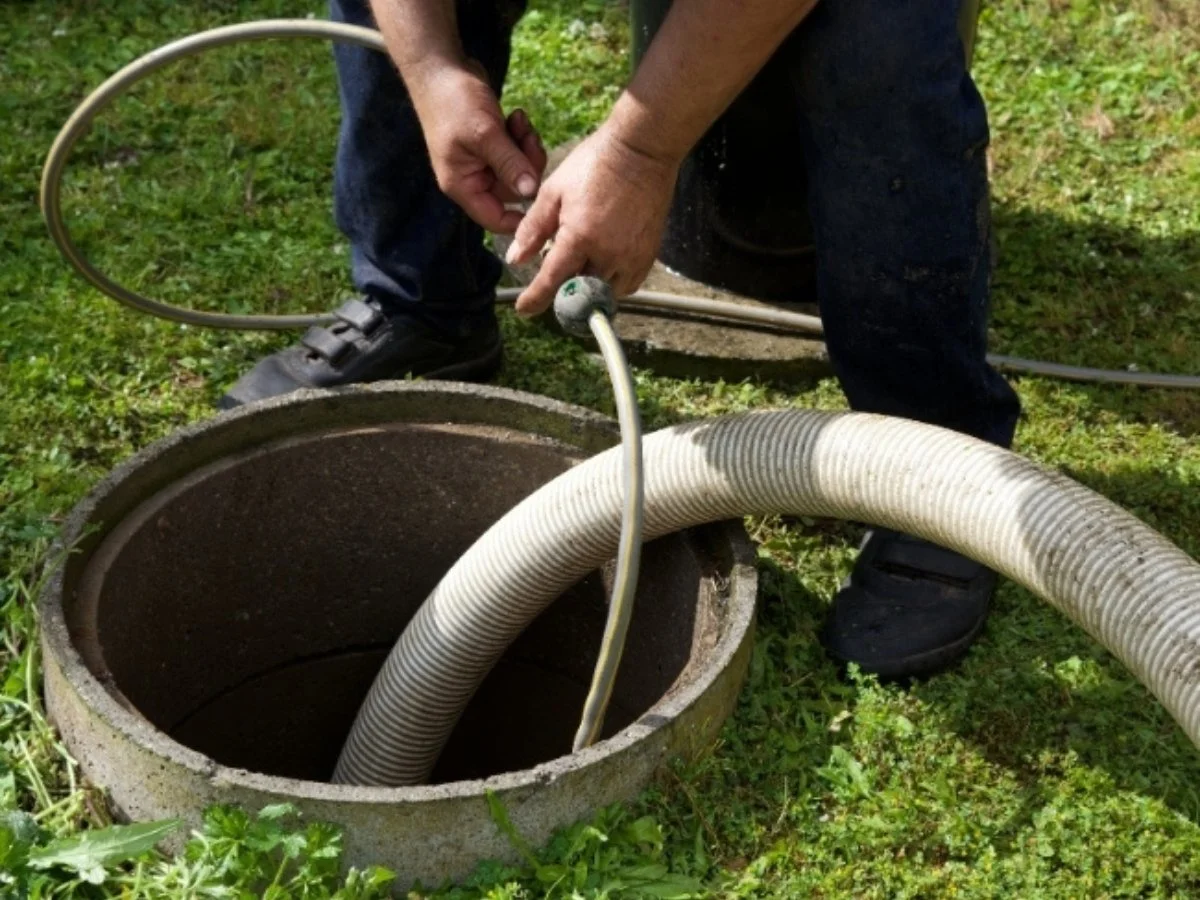
Main Drain Cleaning Westminster, CO
Westminster homeowners get fast main drain clearing for backups, slow drains, and recurring clogs. Same-week appointments available — call now to get your line inspected and flowing again.
Main Drain Cleaning Clears Recurring Backups and Slow Drains
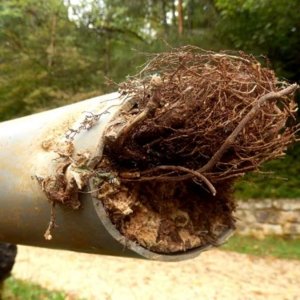
Main drain cleaning removes blockages from the main line connecting your home to the city sewer. We use motorized cables or hydro jetting to break up grease, roots, and debris stuck inside. This restores flow to every drain in the house, not just one sink or tub.
You need this service when several fixtures back up at once, not just a single slow drain. A backed-up toilet paired with a gurgling shower usually points to the main line, not a local clog. Clearing that main line stops sewage from working its way back up into your floors or fixtures.
Westminster's clay-shale bedrock shifts sewer laterals over time. That's why main line issues show up here more often than in cities with stable soil underneath. A clog that returns in the same spot every few months usually signals a structural belly, not a simple blockage. Cabling alone clears it for a while, but it won't fix the problem long term.
Signs You Need Main Drain Cleaning in WestminsterSigns You Need Main Drain Cleaning in Westminster
Multiple slow drains, gurgling toilets, and sewage odor near floor drains are warning signs. These point to a problem with your main line, not just one fixture acting up.
Homeowners with older plumbing or large trees near the sewer line should watch closely. Catching these signs early can stop a full backup before it reaches your house.
On the west side near the foothills, chinook winds strip away the snow that normally blankets the ground. That lets frost reach pipes deeper than usual in a typical winter. A sudden total backup right after a hard cold snap can actually be a frozen vent stack, not a blocked main line. We check the stack first before cabling, since cabling a line that isn't blocked wastes your time and ours.
Camera Inspection Comes Before Cabling on Westminster Sewer Lines
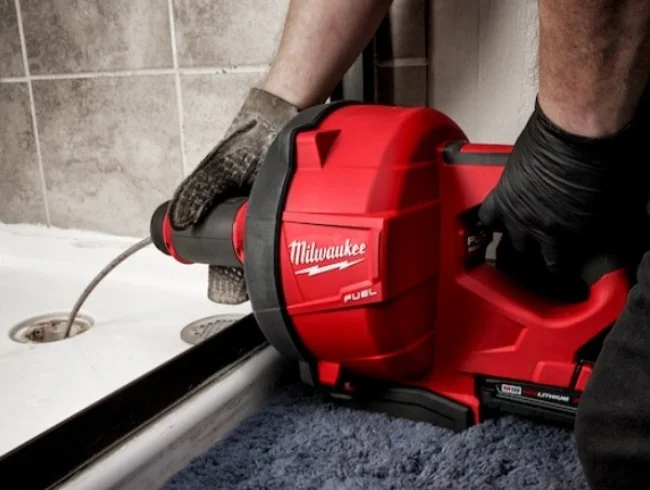
A camera inspection shows the pipe's real condition before any cable ever enters the line. This step matters more here than in most cities, thanks to the soil movement under Westminster.
Homeowners with recurring clogs or an older lateral pipe benefit most from this step. Cameras reveal bellies, offset joints, and pipe material before any work starts. That avoids wasted trips and repairs aimed at the wrong problem.
Pierre Shale and bentonite clay under Westminster swell and shrink through the seasons. This creates sags and joint separation in rigid pipe across many neighborhoods. Historic Olde Town homes often have clay tile lines that run paper-thin at the crown. Cabling one of these lines without a camera first risks punching straight through the pipe wall.
What Happens During a Main Drain Cleaning Service
Here's what to expect once we arrive:
We ask about your symptoms and how long they've been happening.
A camera inspection checks for blockages, bellies, or joint damage first.
We run a motorized cable or hydro jetting hose to clear the blockage.
Water runs through your fixtures to test the flow.
A second camera pass confirms the line is fully clear.
We note any structural issues, like clay-related sagging, for follow-up.
You get a plain-language summary and clear next steps.
Westminster's water runs moderately hard, sitting around 8 to 12 grains per gallon. That hardness speeds up scale buildup inside older galvanized and cast iron sections of pipe. Scale flaking off old cast iron walls can jam a cable head or foul a camera lens fast. Our technicians carry extra lens wipes on Westminster calls for exactly this reason.
Older Westminster Homes Face Different Main Line Risks
Pipe material and age vary block by block across Westminster, since the city annexed land in pieces over several decades. Your home's era helps us predict what's likely wrong before we even arrive.
Owners in Historic Olde Town, mid-century subdivisions, and newer master-planned areas each face different risks. Matching the repair method to your pipe type avoids damage that a one-size-fits-all approach could cause. Homes in Legacy Ridge and Bradburn Village typically run newer PVC and ABS mains with far less root intrusion.
Mid-century homes often have Orangeburg pipe that deforms rather than clogs outright. A cable head can punch through a weak Orangeburg wall without warning. Because of that, we go camera-first and stay gentle on these older lines.
How to Prepare for Your Main Drain Cleaning Appointment
Clear access to your cleanout before we arrive. And note when your symptoms started, since that helps us diagnose faster once we're on site.
Mention any recent yard work, irrigation changes, or nearby construction. Good information upfront shortens diagnosis time and helps you avoid a repeat visit.
Your lateral sits below the required 36-inch frost line, so it stays protected most winters. But shallow cleanouts near additions can still sit closer to the surface and feel frost. Spring snowmelt can also cause temporary gritty water from Standley Lake turbidity. Mentioning this before we start work avoids any confusion about whether drain work caused it.
frequently asked questions
-
Yes, camera inspection comes first on Westminster's clay-heavy soil. It shows bellies or offset joints before any cable touches the pipe, so the right fix gets picked the first time.
-
A repeat clog at the same spot usually means a structural belly, not a simple blockage. Shifting clay soil causes the pipe to sag, and cabling alone only clears it temporarily.
-
Yes, a frozen vent stack can cause the same symptoms after a hard cold snap. Checking the roof stack first avoids unnecessary cabling on a line that isn't actually blocked.
-
Yes, homes built before 1980 often have clay tile or Orangeburg pipe. Both age differently than modern PVC and need a camera check before any cable work.
-
Yes, hard water speeds up scale buildup in older galvanized and cast iron sections. That buildup narrows the pipe and gives grease and paper more to catch on.
-
Multiple slow drains or gurgling fixtures at once point to the main line. A single slow sink is usually a local clog, not a main line issue.