


Sewer Line Belly Repair
in Broomfield, CO
Broomfield homeowners use this page to identify, confirm, and fix a sagging sewer line fast.
Learn what a belly looks like, how repair works, and how to schedule a camera inspection today.
In Broomfield, CO, soil movement and aging clay pipes create sewer line bellies in thousands of homes. This page covers sewer line belly repair — what a belly is, why it causes slow drains and backups, and which repair method fits your pipe. After reading, you will know what to ask a licensed plumber and what steps come next. As your local plumber in Broomfield, we diagnose and fix belly problems before they turn into full sewer failures.
What Is Sewer Line Belly Repair in Broomfield, CO?
A sewer line belly is a low spot or sag in the pipe where waste collects instead of flowing out. It forms when soil shifts, settles, or erodes under the pipe — common in Broomfield due to clay-heavy soil and freeze-thaw cycles. Repair restores proper slope so waste drains freely again.
Belly causes standing water, slow drains, and sewage backups
A camera inspection confirms the location and depth of the sag
Repair options include pipe bursting, lining, or targeted excavation
What a Sewer Line Belly Is and Why It Stops Waste from Flowing
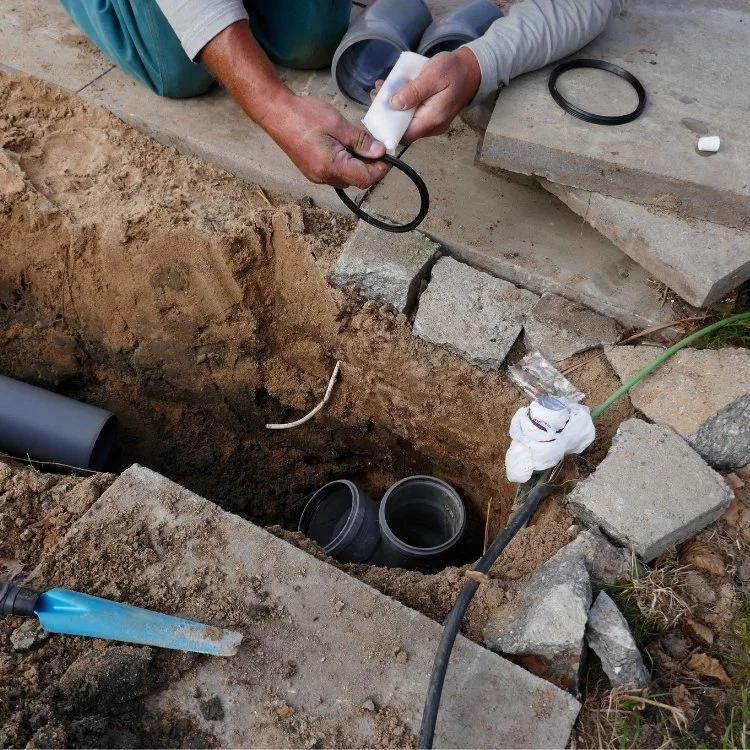
A sewer line belly is a dip or sag in the pipe that breaks the downward slope waste needs to move. When that slope is gone, waste, grease, and solids pool in the low spot and build up over time. Broomfield homeowners often notice slow drains in multiple fixtures at once — that is a key belly signal.
Even a small sag causes repeat clogs and sewage backups without proper slope. In older neighborhoods like Broadlands, original clay or cast-iron pipes are most prone to sagging as soil settles beneath them.
Warning Signs That Tell You a Belly Is Forming in Your Sewer Line
Slow drains in two or more fixtures at the same time point to a main line problem, not a single clog. Gurgling sounds from toilets after running a sink mean air is trapped — often by pooled water in a belly. Sewage odors inside or around the home signal waste sitting in the pipe longer than it should.
In Broomfield, tree roots from mature landscaping can enter a belly and lock in debris, making symptoms worse. If clogs keep coming back within weeks of being cleared, the line needs a camera inspection — not another snake.
How Plumbers Locate and Diagnose a Belly with a Camera Inspection
A licensed plumber runs a waterproof camera through your sewer line to find the exact location and depth of the sag. The camera shows the angle of the drop and whether water is pooling or roots have moved in. This footage tells us which repair method fits your specific pipe material and depth.
The inspection takes about an hour and gives you a clear picture before any digging starts. In areas like the Anthem neighborhood, where lots sit on fill soil, camera inspections often reveal deeper sags than expected.
When Trenchless Repair Works — and When Open Excavation Is the Right Fix
Trenchless pipe lining adds a smooth new liner inside the existing pipe. It works well when the belly is shallow and the pipe walls are still solid. Pipe bursting replaces the old pipe by pulling a new one through — useful when the sag is severe or the pipe is cracked.
Open excavation is needed when the belly is deep, the soil has collapsed, or the pipe has shifted more than a few inches. Broomfield's clay-heavy soil and cold winters can cause deeper shifts that make trenchless options less effective on their own. We review your camera footage and pick the method that fixes the slope without unnecessary digging.
How to Prepare Your Home and Yard Before Sewer Line Repair
Stop using water-heavy appliances — dishwasher, washing machine — the morning of the repair. Clear the area around the cleanout access point so we can set up tools quickly. Mark any sprinkler lines, gas lines, or buried wiring in your yard before excavation begins.
In Broomfield, call at least three days before digging to get utility lines marked at no cost. Move vehicles, patio furniture, and planters away from the work zone so our crew has a clear path to the affected section.
Frequently Asked Questions
Does a sewer belly in Broomfield always need to be repaired right away?
A small belly may drain slowly for a while, but pooling waste leads to backups and pipe damage — early repair avoids bigger costs down the road.
No — snaking clears debris but does not fix the sagging pipe. The clog will return until the slope is corrected.
Can a drain snake fix a sewer line belly?
How long does sewer line belly repair take in Broomfield?
Most repairs take one to two days. Trenchless jobs are often faster; deep excavations may take longer depending on soil conditions.
Will my yard look normal after the repair?
We backfill and compact excavated areas after the repair. Sod or landscaping work is typically the homeowner's responsibility once the pipe is fixed.
IWhat Broomfield permits are needed for sewer line repair?
Most sewer line repairs require a city permit. As a licensed plumber in Broomfield, we pull the permit and schedule any required inspections on your behalf.
How do I know if my Broomfield home is at higher risk for a sewer belly?
Homes built before 1990, homes on fill soil, and homes with large trees near the sewer lateral are at the highest risk.