

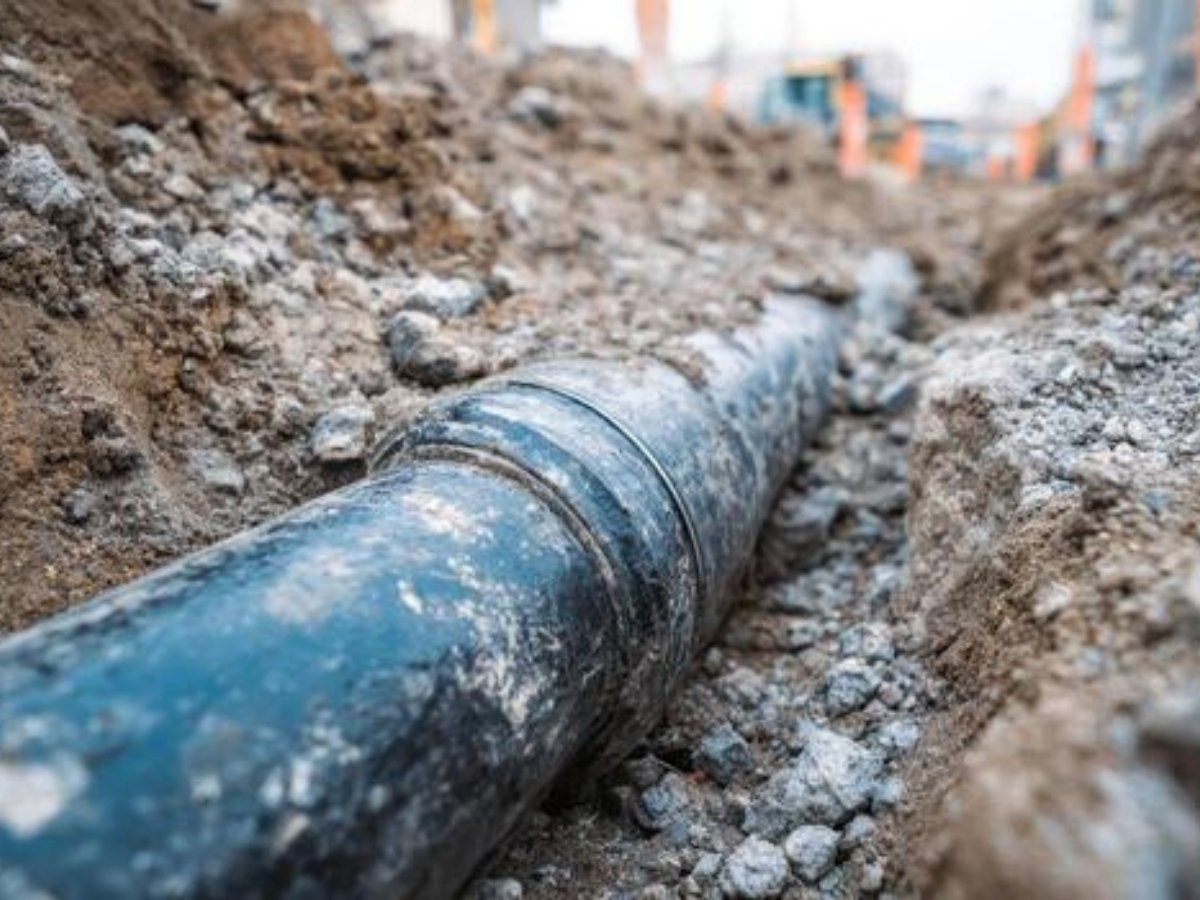
Sewer Line Installation in Westminster CO
Call today to schedule a site inspection and dig permit review. Denver Blue clay in this area swells and shrinks with the seasons. So trenches need proper bedding, or joints start to stress within a few years.
What Sewer Line Installation Includes
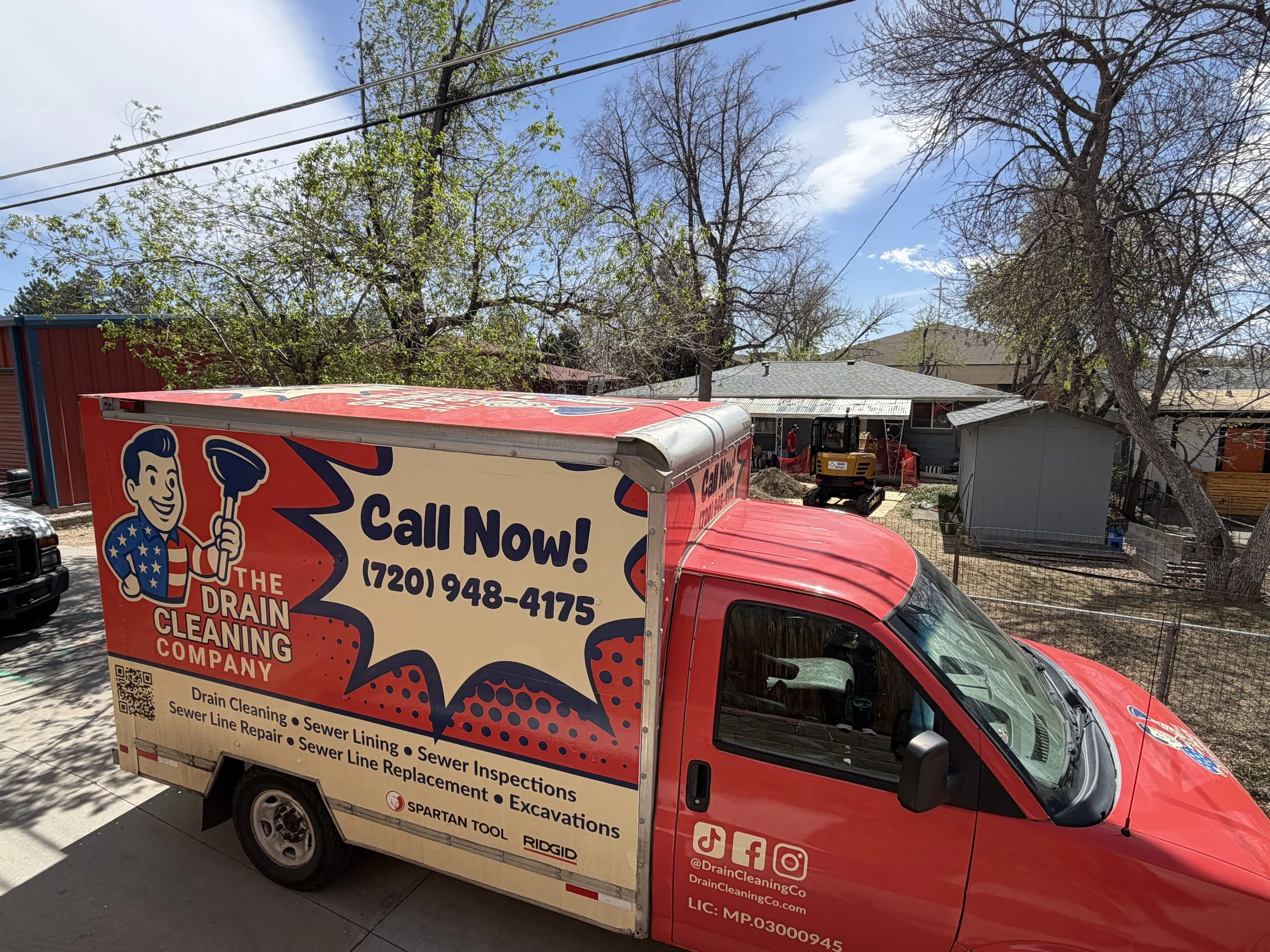
Installation means digging a trench, laying new pipe, and connecting it to the city main or an existing lateral. It replaces old or damaged pipe for good.
Many Westminster homes still run on failing clay, cast iron, or Orangeburg laterals. These materials crack, sag, and let roots in. A repair patches one spot. A new line removes root intrusion, bellies, and collapse risk for decades.
Most homes here sit on Denver Blue clay, and that soil shifts and stresses old pipe joints over time.
One thing we see constantly on Westminster calls: what looks like a simple repair on 1950s-70s pipe is really a full install job, because the old material is past saving.
Who Needs a New Sewer Line vs. a Repair
A repair fixes one damaged section of pipe. A full install replaces the entire lateral, end to end. The right choice depends on pipe age, material, and how much the soil has moved.
Homes in Shaw Heights, Sherrelwood, and Apple Blossom Lane usually need full replacement. The old pipe materials in these areas just don't hold up long-term.
Choosing full replacement early saves you from repeat repair calls within a few years. Newer neighborhoods aren't automatically safe, though. Some tract-built PVC lines went in undersized or poorly bedded from day one.
Most of the time when this happens in The Ranch and Legacy Ridge, it traces back to bedding compaction that got rushed during original construction. Newer age doesn't guarantee a correct install.
Why Westminster Soil Changes How Lines Are Installed
Denver Blue clay expands when it gets wet and shrinks when it dries out. That swing puts real pressure on pipe joints if the trench isn't bedded right.
Every new install or replacement across Westminster needs proper bedding. Native soil backfill alone isn't enough.
Correct bedding stops heave-related belly repairs from showing up a few years down the road. Structure tie-ins often need flowable fill or CDF around the connection point for extra stability.
What homeowners don't realize is that backfilling a fresh trench with native spoil lets the clay re-hydrate and heave. That strain shows up in the joints within two to three seasons.
How the Installation Process Works
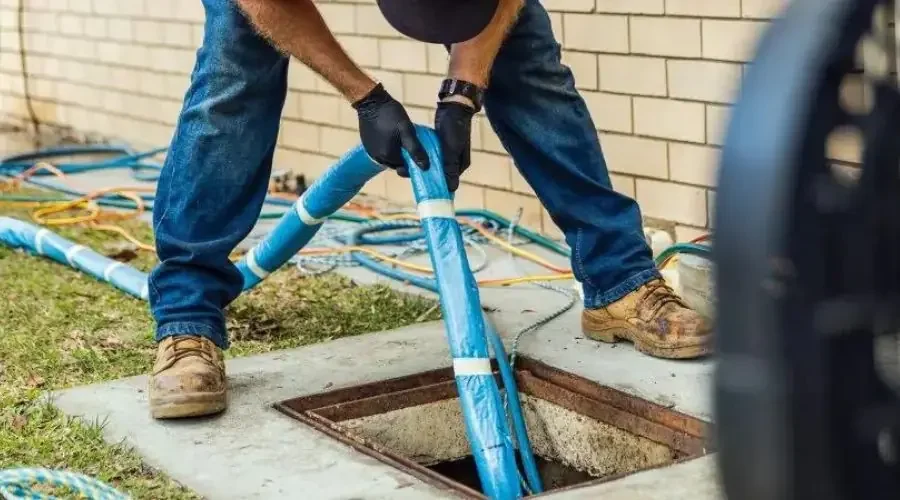
Crews start by marking utilities. Then they dig the trench, bed the pipe, and connect it to the main. Backfill and compaction happen in careful lifts.
New construction, additions, and ADUs commonly need this full process for a fresh connection. A step-by-step process keeps the line stable and code-compliant from day one.
Dig permits require documented separation from water lines, tied to the city's water main as-builts.
One thing we see constantly on Westminster calls: inspectors expect 10 feet of horizontal separation and 18 inches of vertical separation noted right on the permit. A measurement on site alone won't pass.
What to Expect During the Dig and Inspection
Expect a marked dig site first. Then an open trench stays visible while work is underway. A city inspector checks everything before backfill gets finished.
Homes near drainageways or older neighborhoods sometimes see extra soil checks before trenchless methods get approved. Inspection confirms depth, bedding, and separation before the line is buried for good.
Frost line code sets a 36 inch minimum bury depth. Many installs here go deeper for added protection.
What homeowners don't realize is that shallow stub-outs under driveways or unheated garages often get insulated rather than buried deeper. Depth alone isn't always the answer.
How to Prepare Your Property Before Install Day
Clear the dig path before crews arrive. Move vehicles and landscaping items out of the way. Confirm your permit paperwork is ready to go.
Properties with additions or ADUs should confirm final grading plans before digging starts. A clear site speeds up the dig and cuts down on delays at inspection time.
Recent rain or wet spring conditions can affect whether trenchless methods are safe to use that week.
Most of the time when this happens in Westminster, crews check soil moisture and recent rainfall before choosing trenchless over open-cut. Wet clay can cause the bore path to wander off course.
Frequently Asked Questions
-
Often yes, depending on soil moisture. Denver Blue clay holds a bore shape well in most Westminster conditions. Wet spring weather or a high water table near drainageways can change that. A crew checks soil conditions before recommending trenchless over open-cut.
-
Code sets 36 inches as the minimum depth. Many Westminster installs go 42 to 48 inches, especially on north-facing slopes or unheated garage stub-outs, for added frost protection.
-
Yes, a dig permit is required. It documents separation from water lines, which inspectors check against city water main records before approving the install.Yes, a dig permit is required. It documents separation from water lines, which inspectors check against city water main records before approving the install.
-
Yes. Orangeburg, clay tile, and cast iron laterals are common in older Westminster neighborhoods, and they're usually replaced in full rather than repaired in sections.
-
Yes. Expansive clay requires compacted pea gravel bedding and careful backfill to prevent joint stress and future belly repairs.
-
Yes. New connections are common for additions and ADUs, especially in newer Westminster neighborhoods with existing lateral infrastructure nearby.