

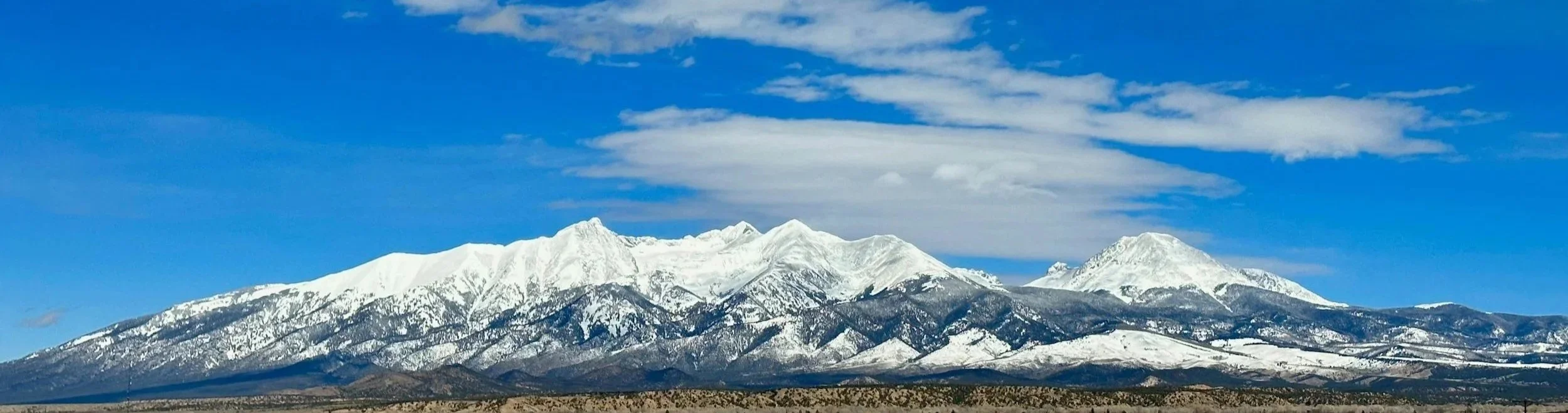
Sewer Line Replacement in Westminster, CO
We pull the permits and coordinate city inspection, so you don't chase paperwork. Denver Basin claystone under Westminster swells when it's wet and shrinks when it's dry. That movement shears pipe joints and pulls sections apart — not tree roots or old age.
Sewer Line Replacement Explained for Westminster Homes
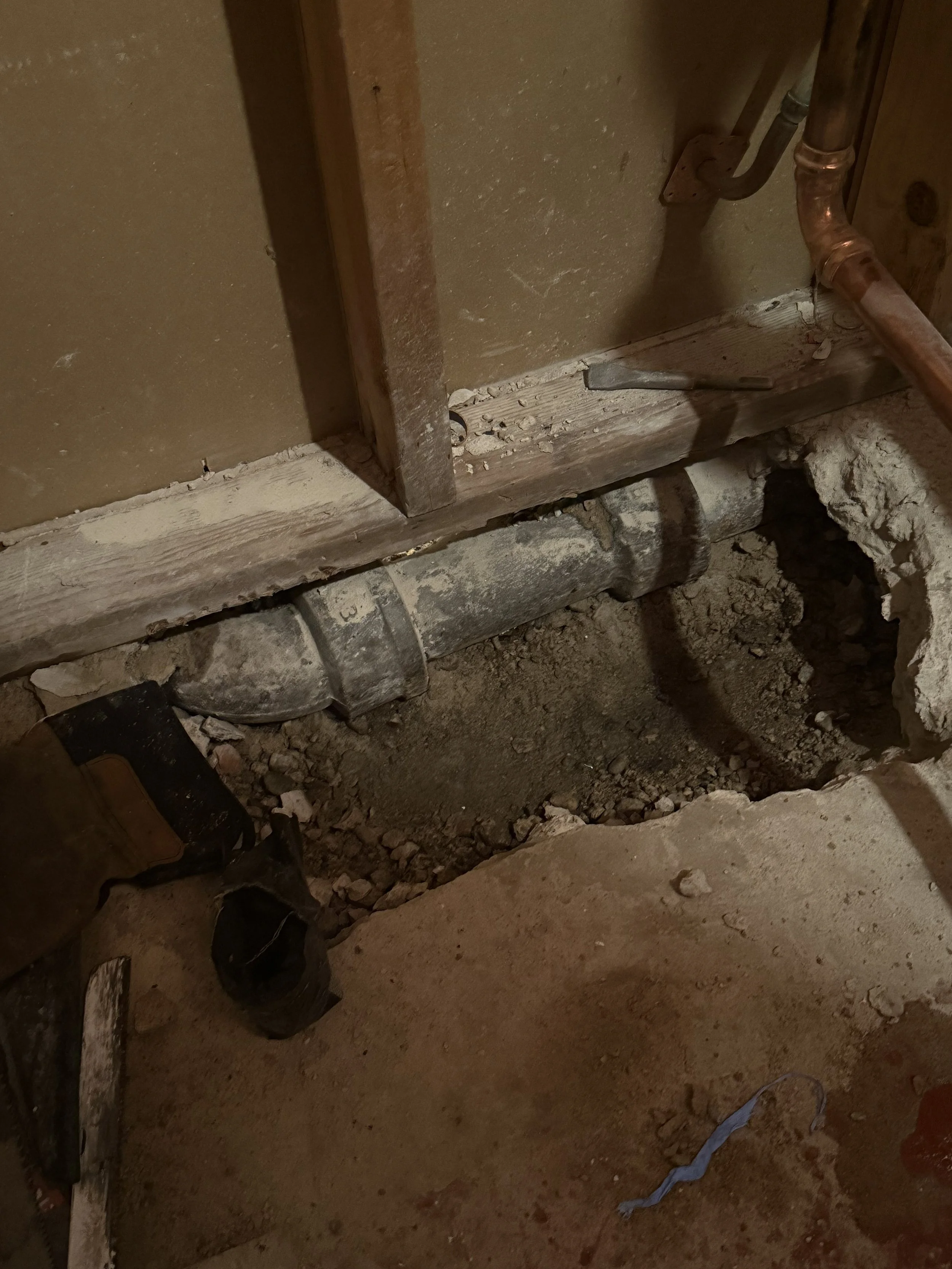
Full sewer line replacement means we remove the damaged lateral and install new pipe from your house to the main. We choose this over lining or a point repair once the pipe wall itself is failing, not just cracked. Most Westminster homeowners with clay, cast iron, or Orangeburg laterals reach this point after repeat backups. Replacing the failed section stops that same backup from coming back.
Westminster runs on gravity-fed water from Standley Lake. Pressure zones here often line up with the age of nearby sewer lines. One thing we see constantly on Westminster calls: crews check the pressure zone before guessing utility depth. Water and sewer lines often date from the same building phase.
Signs You Need Full Replacement, Not a Quick Repair
Repeat backups, sewage odor, and slow drains at multiple fixtures mean a full break, not a simple clog. A camera scope confirms the difference before we dig anything up. Homes in Westminster's Historic Olde Town core, platted back in 1885, show these signs most often. Catching a sheared joint early avoids a bigger, costlier dig later.
That oldest part of the city still runs clay tile and cast iron laterals, tied in without much planning. Root intrusion at nearly every joint is the default finding here. So our techs plan for it before they even open the ground.
Why Westminster's Clay Soil Causes Most Sewer Line Failures
Westminster sits on Denver Basin claystone, and that soil has bentonite minerals in it. Bentonite swells when it gets wet and shrinks when it dries out. That swell-and-shrink cycle shears pipe joints and pulls sections apart. It can happen to any homeowner here, no matter how old the pipe is.
Knowing soil movement is the real cause leads to the right fix, not a guess. Across Westminster, differential movement — not even, uniform settling — is the signature failure pattern. What homeowners don't realize is a pipe can look sound on one end and be sheared 15 feet later. A downspout or sprinkler often changed the soil's moisture right at that spot.
How Sewer Line Replacement Works in Westminster Soil
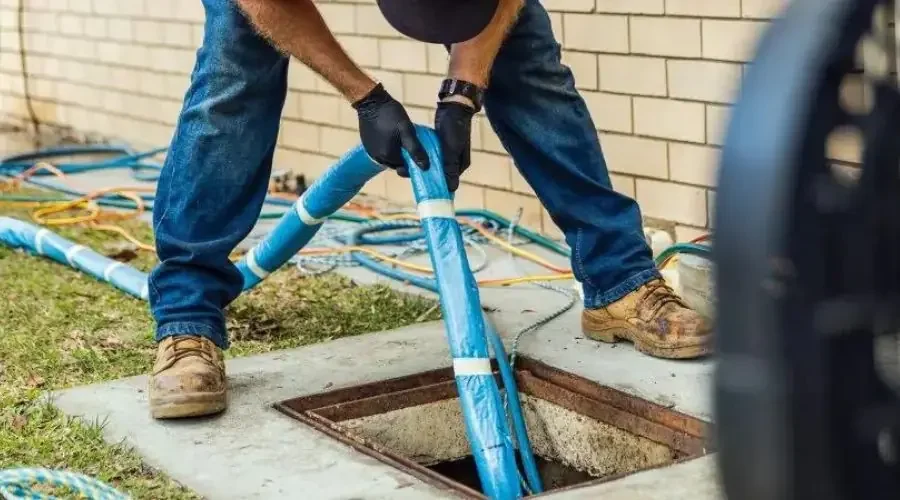
Our crews scope the line first, then open a trench over only the failed section. New pipe goes in at the correct slope, bedded in clean granular rock instead of native clay. Homes built during the 1950s and 60s boom along the Sheridan-Federal-Wadsworth corridor often have Orangeburg pipe. Full open-cut or pipe-bursting replacement fixes that structural failure for good, unlike a temporary patch.
Here's how the process runs, start to finish:
Camera inspection finds the pipe material and failure type.
Crew checks for a grade reversal or an offset joint.
Trench opens only over the failed section.
New pipe is set at the correct slope.
Crew beds the pipe in clean granular rock, not native clay.
Backfill is compacted in layers to stop future settling.
City inspector checks the property line tap before the street closes.
Orangeburg pipe fails by delaminating and going oval, not by cracking. That means it can look fine on a quick visual check. Once we confirm Orangeburg, we skip point repair or lining completely, since the pipe wall itself is already failing.
What to Expect: Permits, Inspection, and Frost Line Depth
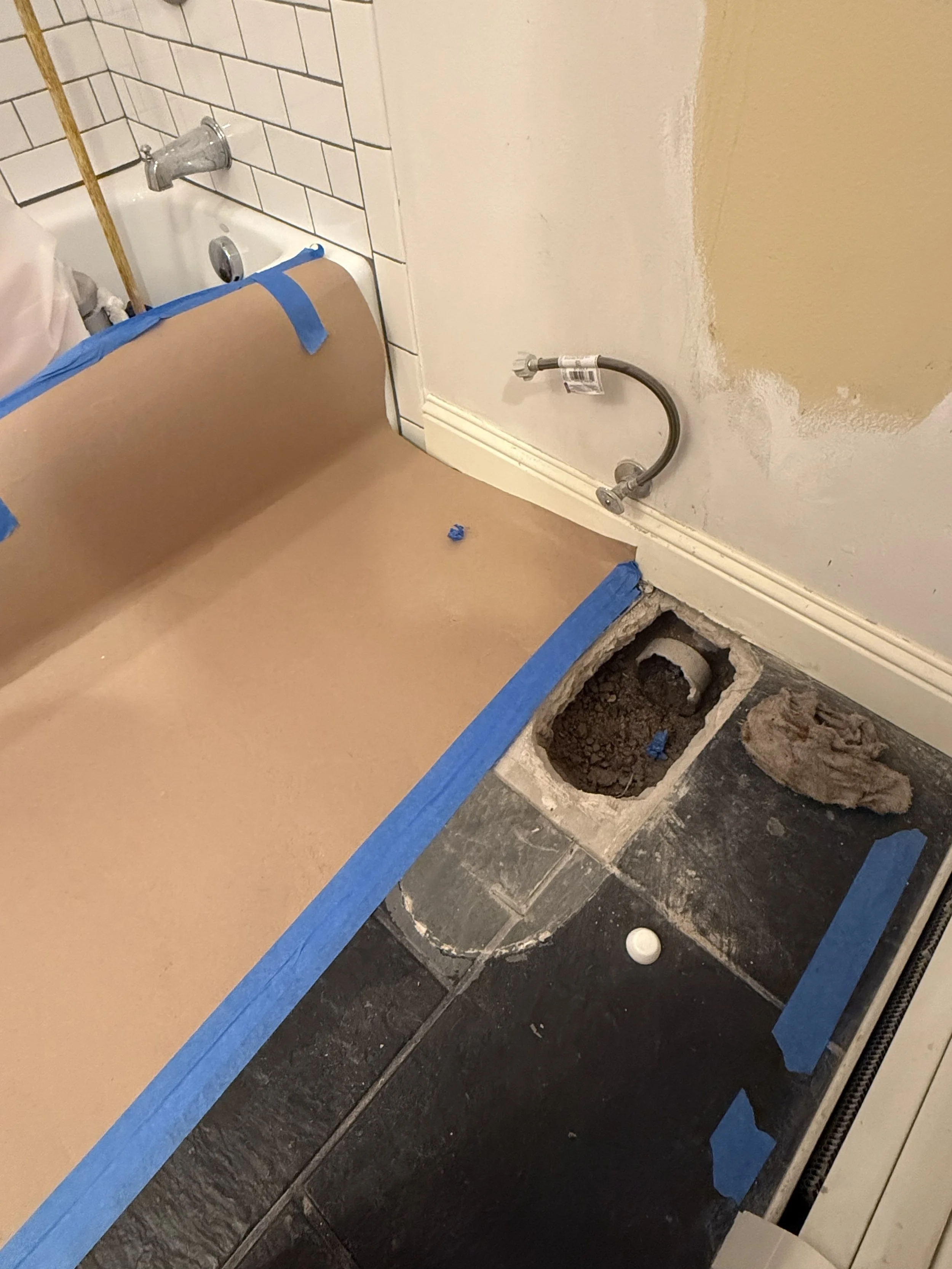
Every sewer line replacement needs a permit and a required city inspection at the property line tap. That inspection happens before the street cut closes, and it protects you, not just the city. Every Westminster homeowner replacing a lateral goes through this step, no matter the neighborhood. An inspected tie-in avoids liability problems if you sell your home later.
Westminster's frost line runs about 36 inches deep. A shallow lateral in an unheated yard can freeze during a hard cold snap. Our crews flag any run through an unheated garage or crawlspace for insulation while the trench is still open.
How to Prepare Your Property Before Replacement Day
Before we arrive, point out any water softener discharge lines, recent landscaping, or new sprinkler runs near your cleanout. That small detail helps us scope the right spot fast. Even newer PVC laterals in Legacy Ridge and Bradburn can fail from soil movement, not old pipe. Sharing what's near your cleanout speeds up an accurate camera inspection.
The same expansive clay affects PVC bedding no matter how new the neighborhood is. Most of the time when this happens near a foundation, a water softener line is the common root-intrusion spot. Steady moisture draws roots there, even through winter.
Frequently Asked Questions
-
A quarter inch of drop per foot is standard for 3-inch pipe. Westminster's clay soil can reduce that fall over time as sections shift. A camera scope confirms the current grade before we set a repair plan.
-
An eighth inch of drop per foot is standard for 4-inch pipe. On older Westminster laterals, soil heave can flatten or reverse this grade in spots. That's why we scope the full run, not just the problem area.
-
A camera scope shows the difference first. We look for a grade reversal from soil heave, or an offset joint from lateral shift. Each one needs a different fix.
-
We bed new pipe in clean granular rock, never native clay. Backfilling with the same swelling soil we just pulled from the trench sets up the next failure in that spot.
-
Yes, every replacement needs a permit and a city inspection at the property line tap before the street cut closes.
-
A camera scope confirms it directly. Tax records and home age aren't reliable, since older lots often have mixed materials from past repairs.