

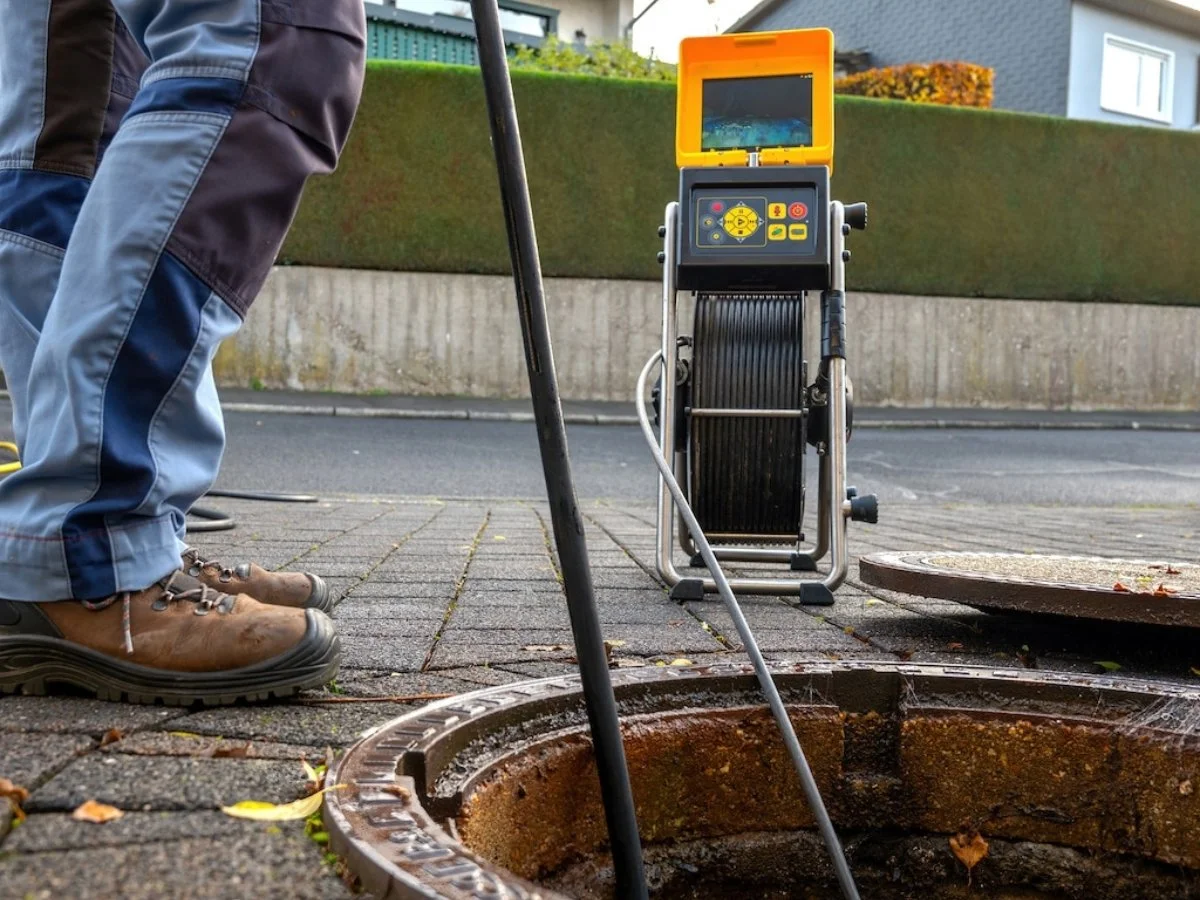
Storm Drain Cleaning in Westminster CO
We clear blocked and slow storm drains across Westminster homes and properties. Call today for fast jetting, camera inspection, and same-week scheduling.
In Westminster, CO, storm drains carry more than rain. They move snowmelt, yard runoff, and street water away from your home all year long. This page covers our storm drain cleaning process, jetting, camera inspection, and the most common reasons drains clog here. Most calls get scheduled within the week, and every inspection includes a camera check. We're licensed plumbers who know Westminster's storm systems, not just generic drain work. That matters here. Westminster sits on expansive bentonite clay, and even a small 10-20% blockage can hold water against pipe joints long enough to swell that clay and shift the line. So a clog that looks minor on the surface can turn into something structural fast.
Storm Drains Move Stormwater Away From Streets and Yards
Storm drains carry rain and snowmelt off your streets, yards, and parking areas. Without them, water has nowhere to go. In Westminster, much of this runoff flows toward Big Dry Creek and the Standley Lake basin near 88th and Kipling. Clear drains protect your foundation, your yard, and the street out front from standing water.
Westminster's system also carries something most cities don't deal with as much: heavy clay silt washing in from unpaved shoulders. It's not just leaves and trash clogging these lines. One thing we see constantly on Westminster calls is jetted return water that looks like wet adobe mud. That's normal local soil working its way through the system, not a sign of a broken pipe.
Homeowners and HOAs in Westminster Need Drain Cleaning Most After Spring Runoff and Summer Storms
Storm drains need cleaning most during your heaviest-use seasons. For Westminster properties, that means two real surge windows: spring snowmelt and summer irrigation overflow. Cleaning before these windows hits prevents backups when the next storm rolls in.
Westminster draws from surface water, so what builds up in these lines is sediment, not the mineral scale you'd see with well water elsewhere. And the fix is simple timing. We tell homeowners to schedule jetting in late April or early May, then again in late August once irrigation season winds down. That two-visit rhythm keeps most properties ahead of the problem entirely.
Bentonite Clay Soil Turns Small Westminster Storm Clogs Into Pipe Damage
Expansive clay soil reacts hard to moisture changes around buried pipe. It's one of the trickier parts of owning property here. A partial blockage holds water longer than it should, and that extra moisture saturates the clay surrounding the pipe. Later, that same clay dries out and shrinks back, leaving a void underneath the line.
This pattern shows up often in neighborhoods like Legacy Ridge and Hyland Greens. What homeowners don't realize is that a "simple clog" call can turn into something bigger once the camera goes in. We've found sagged joints and offset pipe sections on calls that started as a routine cleaning request. So we always check before we close out a job.
Jetting and Snaking Clear Most Westminster Storm Line Blockages

Jetting uses high-pressure water to break apart silt, clay, and debris stuck inside the line. Snaking handles the stubborn spots near joints or tight elbows that jetting alone can't reach. Most Westminster storm lines respond well to a standard jetting pass. It's quick, and it works.
But lines near golf-course-adjacent neighborhoods carry stickier, chemical-heavy sediment that doesn't break up as easily. Drains bordering Legacy Ridge or The Ranch golf courses sometimes need a second pass or a heavier nozzle, especially right after fertilizer season. We adjust our approach based on what we're actually pulling out of the line, not a one-size-fits-all method.
A Camera Inspection Shows What's Really Happening Inside the Line
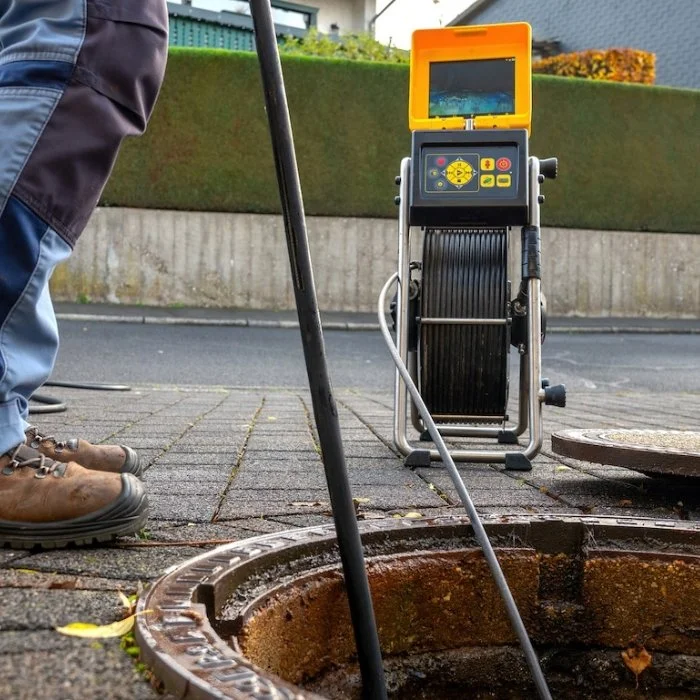
Camera inspection lets us see blockages, cracks, and joint shifts directly instead of guessing. This step confirms whether you're dealing with simple debris or something structural underneath. You get a clear answer before you decide on any repair.
Shallow storm tie-ins from older subdivisions need a depth check first, since they behave differently than deeper modern lines. After a hard freeze, standing water in these shallow runs can ice solid right at the inlet grate or the first elbow. So we always check depth before assuming it's just debris sitting there.
Older Westminster Neighborhoods Have Drain Systems Built for 1970s Storm Volume
Many older neighborhoods here used swale drainage and small area inlets instead of curb-and-gutter mains. That setup handled the lighter, older-era rainfall patterns just fine for decades. But added hardscape and heavier modern storms now overwhelm these inlets faster than they were ever designed for.
Hyland Greens and Kings Mill both still use this older cul-de-sac swale layout. Most of the time when this happens in these neighborhoods, the homeowner tells us the drain backs up every single summer storm like clockwork. That's not a one-time blockage. That's an aging system working harder than it was built to.
Frequently Asked Questions
Still have questions? Take a look at the FAQ or reach out anytime. If you’re feeling ready, go ahead and apply.
-
Standing water pools near the inlet grate after rain. It often sits longer than normal because of slow-draining clay soil nearby. Check the grate first for visible debris or leaves.
-
Most homes benefit from cleaning twice a year. Schedule before spring runoff and after summer irrigation season ends. This timing matches Westminster's actual sediment patterns.
-
Yes, especially in Westminster's clay-heavy soil. A minor blockage holds water longer near the pipe. That extra moisture can swell clay and shift pipe joints over time.
-
Yes, many older systems use shallow swale drainage instead of deep storm mains. These inlets clog faster under today's heavier rainfall. A camera check confirms the actual cause.
-
Yes, jetting is safe for most storm lines when done correctly. Technicians adjust pressure based on pipe age and material. A camera inspection beforehand helps confirm the right approach.