

What Causes a Basement Drain to Back Up? (And When to Call a Plumber)
Basement drain backup causes range from a clogged floor trap to a collapsed sewer line — and the fix is very different for each. This guide walks you through the most common causes, how to self-diagnose severity, and when it's time to call a pro. We serve homeowners in Broomfield, CO.
Think it's more than a clog? Schedule a drain inspection in Broomfield
Introduction
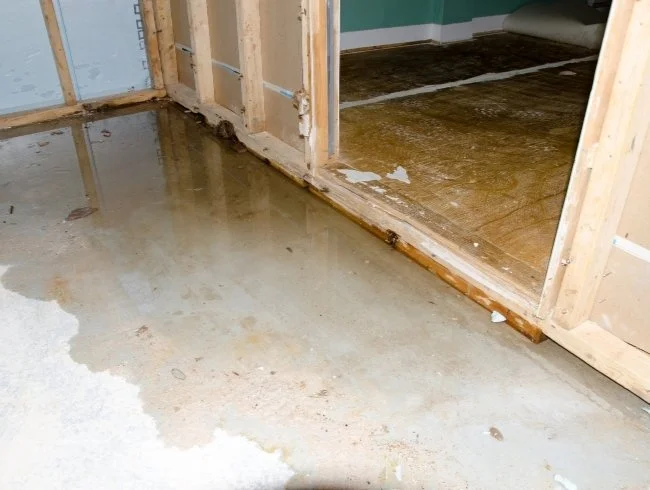
You walk downstairs and your basement floor drain is gurgling. Or worse — water is pooling around it. It's a situation no homeowner wants to face, especially when you don't know if it's a $15 fix or a much bigger problem.
Understanding the most common basement drain backup causes can save you time, money, and a lot of stress. Below, we break down the top causes — from clogged floor drain traps to full main sewer line failures. We'll also give you clear signals for when this is a DIY job versus when you need a licensed Broomfield plumber fast.
What Would Cause a Basement Drain to Back Up?
A basement drain can back up for several reasons. The most common causes include a clogged floor drain trap (hair, soap, or debris), a blocked main sewer line, tree root intrusion into underground pipes, a broken or collapsed drain pipe, or a municipal sewer system backup pushing back into your home. Minor clogs usually affect only one drain. If multiple drains in your home are slow or backing up at the same time, the problem is likely in your main sewer line and needs a licensed plumber.
Dealing with a backup now? We serve Broomfield 7 days a week. See our basement drain backup services in Broomfield
The Most Common Basement Drain Backup Causes
Not every backup has the same cause — or the same solution. Here are the most common reasons we see basement drains back up.
| Cause | What It Means |
|---|---|
| Clogged floor drain trap | Hair, soap scum, and debris collect in the P-trap or drum trap |
| Main sewer line blockage | Grease, wipes, or waste buildup blocks the home's main sewer line |
| Tree root intrusion | Roots grow through pipe joints and crack underground sewer lines |
| Broken or collapsed drain pipe | Old or damaged pipes crack, shift, or collapse and block flow |
| Municipal sewer overflow | City sewer systems can push water back into homes during heavy rain or snowmelt |
Clogged floor drain trap is the most common cause of a basement backup. Hair, lint, soap residue, and debris collect in the trap over time and eventually slow or block water flow. Fortunately, this is usually the easiest problem to clear.
Main sewer line blockages affect the entire drainage system in the home. Grease buildup, flushed wipes, or large debris can clog the main pipe and cause water to back up into the lowest drains — which is often the basement floor drain.
Tree root intrusion happens when roots from nearby trees grow toward the moisture inside sewer pipes. They push through pipe joints and cracks, eventually creating a blockage that restricts water flow through the line.
Broken or collapsed drain pipes are more common in older homes. Pipes made from clay, cast iron, or older materials can crack, shift out of alignment, or collapse completely, stopping wastewater from moving through the system.
Municipal sewer overflow occurs when the city's sewer system becomes overwhelmed during heavy rain or rapid snowmelt. When that happens, wastewater may push backward through the system and enter homes through the lowest drain point — typically the basement floor drain.
In our experience serving Broomfield homes, tree root intrusion and aging clay sewer lines are the two culprits we see most often in older neighborhoods. A quick sewer camera inspection usually reveals the exact cause so the right repair can be made.
The Most Common Basement Drain Backup Causes
Not every backup has the same cause — or the same solution. Here are the most common reasons we see basement drains back up:
Clogged floor drain trap — Hair, soap scum, and debris collect in the P-trap or drum trap. This is the most common cause and the easiest to fix.
Main sewer line blockage — A buildup of grease, wipes, or waste in the main line affects drains throughout your whole home.
Tree root intrusion — Roots from nearby trees push through pipe joints and crack underground lines. This is one of the more common issues we find during camera inspections in Broomfield.
Broken or collapsed drain pipe — Older pipes can crack, shift, or completely collapse, blocking flow entirely.
Municipal sewer overflow — During heavy rain or snowmelt, the city's sewer system can become overwhelmed and push sewage back into your home through the lowest drain — usually the basement floor drain.
In our experience serving Broomfield, tree root intrusion and aging clay sewer lines are the two culprits we find most often in older neighborhoods. A quick camera inspection tells us exactly what we're dealing with.
Signs Your Main Sewer Line Is Clogged (Not Just One Drain)
One slow drain is usually a localized clog. Multiple drains acting up at the same time points to your main sewer line. Here's what to look for:
Two or more drains running slow at the same time is usually the first clue something bigger is happening. Individual drain clogs are isolated, but the main sewer line connects every drain in your home. When it starts to block, several fixtures will slow down together.
Toilets gurgling when you run the bathroom sink is another common warning sign. The sound happens because trapped air is being forced back through the plumbing system when water tries to pass through a partial blockage in the main line.
Sewage smells in the basement or near floor drains often mean sewer gases are escaping because wastewater can't move properly through the pipe. This usually happens when the blockage is significant enough to disrupt normal drainage flow.
Water backing up into your tub or shower when the toilet flushes happens because the toilet sends a large amount of water into the system quickly. If the main line is restricted, that water looks for the nearest or lowest drain to escape — often the tub, shower, or basement floor drain.
| Single Drain Problem | Main Sewer Line Problem |
|---|---|
| One drain is slow or clogged | Multiple drains are slow or backing up |
| No unusual sounds from other fixtures | Toilets gurgle when sink runs |
| No sewage smell | Sewage smell in basement or near drains |
| No water backup in other fixtures | Water backs up in tub when toilet flushes |
| Usually a DIY-friendly fix | Needs a licensed plumber |
If you're seeing two or more signs from the right column, don't wait to deal with it. A main sewer line backup can escalate quickly and cause major water damage inside the home if the blockage isn't cleared.
Can You Snake a Basement Floor Drain Yourself?
For minor clogs in the floor drain trap, yes — a hand snake or 25-foot drain auger can clear it. Here's how to approach it:
Remove the drain cover and check the trap for visible debris.
Feed a hand snake or auger into the drain opening.
Work it slowly and pull out any buildup you hit.
Run water to test if the drain is clear.
When to stop and call us: If the snake goes in 10–15 feet and the water still won't drain, stop. You've likely hit something the snake can't clear — roots, a pipe break, or a main line blockage. Pushing harder can make things worse.
Signs the DIY approach isn't enough:
The snake hits hard resistance early
The backup returns within a day or two
You see or smell sewage coming back up the drain
Not sure if it's DIY or pro? We offer sewer camera inspections in Broomfield. Sewer line inspection in Broomfield
How to Tell If a Drain Pipe Is Broken Underground
A broken pipe underground won't always make itself obvious right away. Watch for these warning signs:
Soft spots or small sinkholes in your yard — especially along the path of your sewer line
Persistent sewage smell with no visible source inside the home
Unusually green or lush grass in one strip of your yard — leaking sewage acts as fertilizer
Foundation cracks or shifting — this typically signals an advanced break that's been leaking for some time
The only way to know for certain is a sewer camera inspection. We run a camera through the line and show you exactly what we find — no guessing.
It's also worth knowing how old your pipes are. Sewer lines have different lifespans depending on the material:
Clay pipe: 50–60 years
Cast iron: 75–100 years
PVC: 100+ years
Many Broomfield homes built before the 1980s still have clay or cast iron lines. If yours are approaching the end of their lifespan, a proactive inspection can catch problems before they become emergencies.
Does Homeowners Insurance Cover a Sewer Backup?
Standard homeowners insurance policies typically do not cover sewer backups. Coverage usually requires a separate sewer backup rider or add-on. Before you assume you're protected, call your insurer and ask specifically about sewer and drain backup coverage.
Here's how responsibility is generally divided:
You own the lateral line — the pipe that runs from your home to the city's main sewer line in the street
The city owns the main — once the line reaches the street, it's the city's responsibility
If a backup originates from the city's main line, you may have grounds to file a claim with the city. But if the problem is in your lateral line — which is most often the case — it falls on you.
A quick note: We've had customers in Broomfield surprised to learn their policy didn't cover the damage. It's worth a call to your insurer now, before an emergency happens. Check with the City of Broomfield's utilities department if you're unsure where your lateral line ends and the city's begins.
How Much Does a Plumber Charge to Unblock a Basement Drain in Broomfield?
Costs vary based on what's causing the backup and how hard it is to access. Here are general estimates based on national averages from sources like Angi — actual pricing may vary by job:
| Service | Estimated Cost | Typical Time |
|---|---|---|
| Drain snake (floor drain) | $150 – $350 | 30–60 minutes |
| Hydro-jetting (main sewer line) | $350 – $600+ | 1–2 hours |
| Sewer camera inspection | $100 – $300 | 30–60 minutes |
| Main sewer line unclog | $300 – $600+ | 1–3 hours |
Factors that affect your final cost include how easy it is to access the drain, the condition of your pipes, and whether it's an after-hours or emergency call.
At The Drain Cleaning Company, we give you a clear price before any work begins. No surprise fees. No pressure to add services you don't need.
Get a straight answer from a licensed Broomfield plumber. Schedule a drain inspection in Broomfield
The Drain Cleaning Company 7180 W 117th Ave D, Broomfield, CO 80020 (720) 948-4175