

Frozen Pipes in Colorado: What to Do Right Now
Colorado winters can freeze your pipes faster than you'd expect — especially when temperatures drop overnight on the Front Range. Broomfield homes with uninsulated crawl spaces and pipes along exterior walls face added risk from rapid cold snaps.
This guide covers the exact temperatures to watch, how to thaw pipes safely, and when to stop and call a professional.
Pipes already frozen? Don't wait. Call a Broomfield plumber now — (720) 948-4175
Introduction
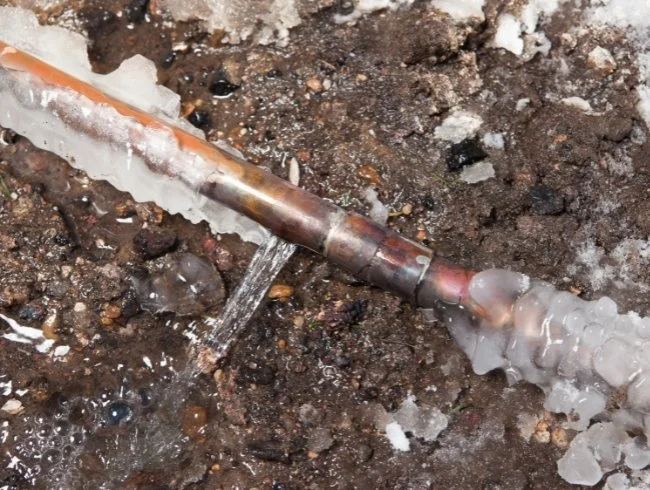
A single burst pipe can release hundreds of gallons of water in hours. In Colorado, the freeze-thaw cycle makes that a real risk every winter — not just a worst-case scenario.
This guide covers everything you need to know about frozen pipes in Colorado. You'll learn when to act, what steps to take during a deep freeze, how to safely thaw pipes on your own, and the clear signs that it's time to call a plumber. Broomfield homeowners will find local tips throughout.
What Should You Do If Your Pipes Are Frozen in Colorado?
If your pipes are frozen in Colorado, take these steps right away:
Keep the faucet open — even a small trickle helps release pressure in the line.
Apply gentle heat — use a hair dryer or heating pad on the frozen section. Work from the faucet inward.
Check all faucets — more than one pipe may be frozen at the same time.
Turn off the main water supply if you think a pipe has already burst.
Call a licensed plumber if water doesn't flow within 30 minutes or you can't find the frozen section.
Colorado temperatures can drop fast. Acting within the first hour lowers your burst risk significantly.
Need help fast? Frozen pipe repair in Broomfield — (720) 948-4175
Do Pipes Actually Freeze in Colorado?
Yes — and it happens more often than many homeowners expect. Colorado's rapid overnight temperature swings create a real freeze risk, even in newer homes. Pipes typically begin to freeze when outdoor temperatures fall to 20°F or below.
On the Front Range, wind chill and uninsulated crawl spaces make that risk worse. A pipe that would hold up in a milder climate can freeze quickly in a Broomfield home when cold air finds a gap in the foundation or wall. In our experience serving Broomfield homes, the most common freeze points are pipes running along exterior walls, lines in unheated garages, and supply lines beneath crawl space floors.
Most Vulnerable Pipe Locations
| Location | Why It's at Risk |
|---|---|
| Exterior walls | Direct exposure to outdoor temperatures and wind |
| Unheated garage | No insulation buffer from outside cold |
| Crawl space | Cold air pools below the floor |
| Under kitchen or bathroom sink on exterior wall | Thin cabinet walls offer little protection from cold air |
| Outdoor hose bibs | Fully exposed to outdoor temperatures |
Before the Cold Hits — Prevention Steps That Actually Work
The best time to protect your pipes is before a freeze warning goes out. A few quick steps each fall can save you from a cold-morning emergency.
One seasonal check we do for Broomfield customers every fall is a quick crawl space walkthrough — looking for uninsulated supply lines and gaps where cold air is entering. It takes about 20 minutes and catches most freeze risks before winter sets in.
5-Step Pre-Winter Pipe Checklist
Disconnect and drain outdoor hoses before the first hard freeze.
Insulate exposed pipes in crawl spaces, garages, and along exterior walls using foam pipe sleeves.
Locate your main water shut-off — know exactly where it is before you ever need it.
Seal gaps around pipes where cold air enters through walls or the foundation using caulk or spray foam.
Check your heating — keep your thermostat set no lower than 55°F, even when you're away.
During a Deep Freeze — When and How to Drip Your Faucets
When temperatures drop to 20°F or below overnight, it's time to let your faucets drip. A slow, steady trickle keeps water moving through the line and helps prevent pressure from building up in a frozen section.
A common question from Broomfield homeowners: "How much do I actually need to drip?" The answer is less than most people think — a stream about the width of a pencil is enough. You don't need a heavy flow to make a difference.
Quick answers to the 3 most common dripping questions:
Hot or cold? Cold water is enough. If only one line is accessible, run the cold side.
How much? A slow, pencil-thin stream. Just enough to keep water moving.
Which faucets? Focus on faucets connected to pipes on exterior walls or in vulnerable spaces like basements and garages.
When temperatures rise back above freezing during the day, you can turn the drip off. If a multi-day cold snap is forecast, keep the drip running until it passes.
How to Thaw Frozen Pipes Safely
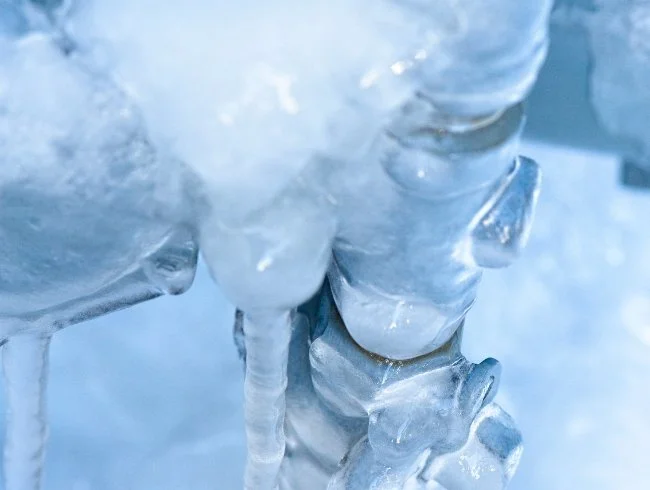
If you turn on a faucet and nothing comes out, start by locating the frozen section. Check under sinks, along exterior walls, and in crawl spaces. Look for frost on the outside of a pipe or a section that feels unusually cold to the touch.
Once you find it, apply heat slowly and carefully — always working from the faucet end inward toward the blockage. This lets water and steam escape as the ice melts.
Safe Thawing Tools
Electric hair dryer
Electric heating pad wrapped around the pipe
Warm (not hot) towels
Portable electric space heater pointed at the area (attended at all times)
Never Use These
Open flame or propane torch
Kerosene or gas heaters near pipes
Boiling water poured directly on a pipe
Risk of a burst increases significantly after several hours at extreme temperatures. If you've been thawing for 30 minutes with no water flow, stop and call a plumber. Warning signs that a pipe has already cracked include water stains on walls or ceilings, a visible bulge in the pipe, or a sudden drop in pressure once thawing begins.
When to Call a Plumber for Frozen Pipes in Broomfield
Some frozen pipe situations are safe to handle yourself. Others need a licensed plumber right away. Use this table to decide.
| Situation | What to Do |
|---|---|
| You can see the frozen section and access it safely | Try DIY thawing with safe tools |
| Water flows within 30 minutes of thawing | Monitor and keep faucets dripping |
| You can't locate the frozen section | Call a plumber |
| No water flow after 30 minutes of thawing | Call a plumber |
| You see water stains, bulging, or wet drywall | Shut off main supply and call immediately |
| Pipes are inside walls, ceilings, or a slab | Call a plumber — don't attempt access yourself |
Professional pipe thawing costs vary depending on the severity of the freeze,
pipe location, and how accessible the line is. Burst pipes from extended freezes can cause
thousands of dollars in water damage — getting a plumber out quickly often costs far less
than the alternative.
Before you call any plumber in Broomfield, check their reviews, confirm their license, and ask about response time. At The Drain Cleaning Company, we're available 7 AM to 10 PM every day and answer emergency calls because we know frozen pipe problems don't wait for business hours. Our plumbing license number is MP.03000945.
Can't thaw it yourself? Request emergency plumbing service — (720) 948-4175
Don't wait for a burst pipe to become a flooded basement. The Drain Cleaning Company serves Broomfield and the surrounding Denver metro area. We show up fast, diagnose the problem accurately, and fix it right the first time.
Contact our Broomfield team today — (720) 948-4175
The Drain Cleaning Company 7180 W 117th Ave D, Broomfield, CO 80020 (720) 948-4175