

Sewer Line Replacement Cost in Colorado: A Broomfield Homeowner's Guide
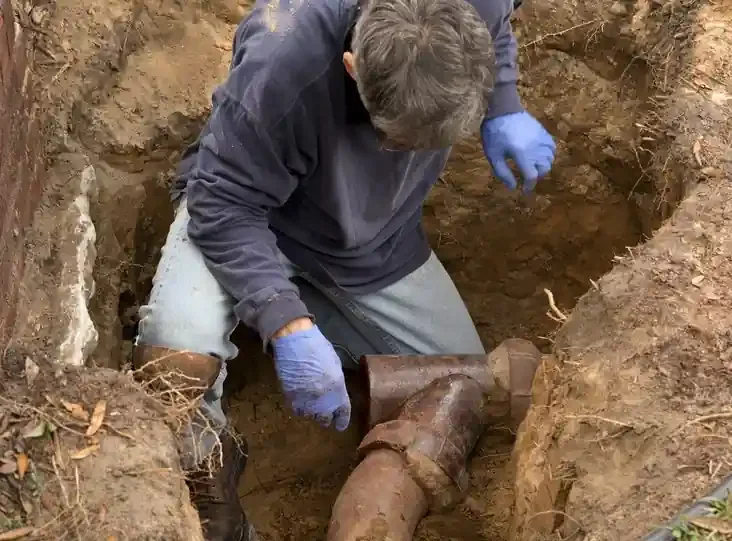
Sewer line replacement cost in Colorado typically runs between $3,000 and $25,000. In Broomfield, most homeowners see quotes in the $5,000–$15,000 range for a full replacement. A few local factors — including older clay pipe and Colorado's freeze-thaw soil conditions — can push that number in either direction. This guide covers what drives the price, what your insurance may cover, and how to decide if repair is even worth it.
In our experience working in Broomfield, lines running under driveways or landscaped yards add measurable restoration costs on top of the base replacement price. Knowing that upfront helps you plan.
Introduction
A cracked sewer line can cost a Broomfield homeowner anywhere from $3,000 to $25,000 to fix — and most people find out there's a problem only after the damage is already done.
You flushed the toilet, heard a gurgle from the drain across the house, and now your yard has a soft spot that wasn't there last week. Before you call anyone, you want to know: how bad is this going to hurt?
This guide covers everything that drives sewer line replacement cost in Colorado — from pipe material and trench depth to insurance coverage and whether a repair might be enough. We'll walk through average costs, what homeowners insurance typically covers, who is responsible for repairs at the property line, and how Broomfield homeowners can take the next step without overpaying.
How Much Does Sewer Line Replacement Cost in Colorado?
Sewer line replacement in Colorado typically costs between $3,000 and $25,000, depending on pipe length, material, access, and method. Broomfield homeowners generally see costs in the $5,000–$15,000 range for a full replacement. Trenchless methods cost more upfront but reduce yard restoration costs. Key cost factors include:
Pipe material (clay, cast iron, PVC)
Linear footage replaced
Trenchless vs. open-cut method
Permit fees (City of Broomfield / Jefferson County)
Depth of the line
Not sure what your line will cost? Let's take a look — sewer line inspection Broomfield
What Does Sewer Line Replacement Cost in Colorado?
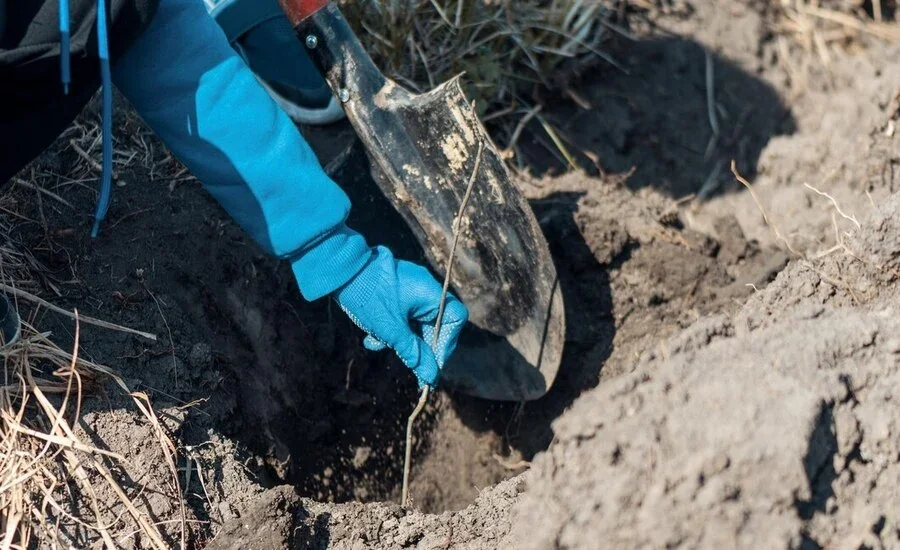
For most Colorado homeowners, full sewer line replacement falls between $3,000 and $25,000. In Broomfield specifically, the typical range is $5,000 to $15,000. That spread is wide — and it's intentional, because no two jobs are the same.
Labor usually makes up 50–70% of the total cost. Materials and permits cover the rest. Broomfield and Jefferson County both require permits for sewer work, and those fees vary depending on the scope of the project.
| Method | Estimated Cost Range |
|---|---|
| Open-Cut (Traditional) | $3,000 – $15,000 |
| Trenchless Pipe Lining | $6,000 – $20,000 |
| Trenchless Pipe Bursting | $8,000 – $25,000 |
Open-cut is typically less expensive upfront but includes the cost of digging, backfilling, and restoring your yard, driveway, or landscaping. In our experience working in Broomfield, lines running under existing driveways or mature landscaping can add $1,500–$3,000 or more in restoration costs alone. Trenchless methods skip most of that — which is why the upfront price is higher but the total cost often comes out closer.
What Drives the Cost? Key Factors in Colorado
Several things affect what you'll pay for sewer line replacement in Broomfield. Understanding them helps you evaluate quotes more clearly.
Pipe length and depth — Longer lines cost more to replace. Deeper lines require more labor and equipment. In older Broomfield neighborhoods, pipes are sometimes buried 6–8 feet down to get below Colorado's frost line, which adds to excavation time and cost.
Pipe material — The era your home was built often tells us what pipe is in the ground:
Pre-1960s: clay pipe (brittle, prone to cracking and root intrusion)
1960s–1980s: cast iron or Orangeburg (deteriorates with age)
1980s–present: PVC (more durable, easier to work with)
Colorado soil and frost depth — The Front Range has clay-heavy soil and hard freeze cycles every winter. Both stress underground pipes. Freeze-thaw movement can crack older lines and shift pipe joints over time.
Access challenges — Pipes running under concrete slabs, tight side yards, or established landscaping take more time and equipment to reach.
Permit fees — The City of Broomfield requires permits for sewer replacement work. Fees vary by project scope. Any contractor who skips the permit process is a red flag — more on that in H2 6.
Key cost factors at a glance:
Linear footage of pipe
Depth of the line
Pipe material and condition
Access obstacles (concrete, landscaping)
Trenchless vs. open-cut method
Local permit fees
Will Homeowners Insurance Cover Sewer Line Replacement?
Standard homeowners insurance policies typically do not cover sewer line replacement. Most policies exclude damage caused by age, wear, gradual deterioration, or tree root intrusion — which is exactly how most Colorado sewer lines fail.
When it IS covered: Your policy may pay out if the damage was sudden and accidental. A pipe crushed by a tree falling during a storm, for example, is more likely to be covered than a clay pipe that has been cracking for 20 years.
Sewer line riders and endorsements: Some homeowners have a sewer line endorsement added to their policy and don't even know it. This is a separate add-on that specifically covers sewer line repair or replacement, often up to $10,000. We've worked with Broomfield homeowners who were surprised to find out their policy had this coverage — always check before you assume you're paying out of pocket.
HOA responsibility: If you live in an HOA community, your association's master policy may cover portions of the sewer line depending on whether it's considered common infrastructure. Check your HOA documents or call your property manager.
| Covered Scenarios | Not Covered Scenarios |
|---|---|
| Sudden pipe damage from external force | Gradual wear and corrosion |
| Accidental collapse from unexpected event | Root intrusion over time |
| Sewer line rider / endorsement (if purchased) | Age-related failure |
| Some HOA master policies (shared lines) | Neglected maintenance |
Call our Broomfield plumbing team before work starts — we can help you understand your options.
Who Is Responsible for a Broken Sewer Pipe in Colorado?
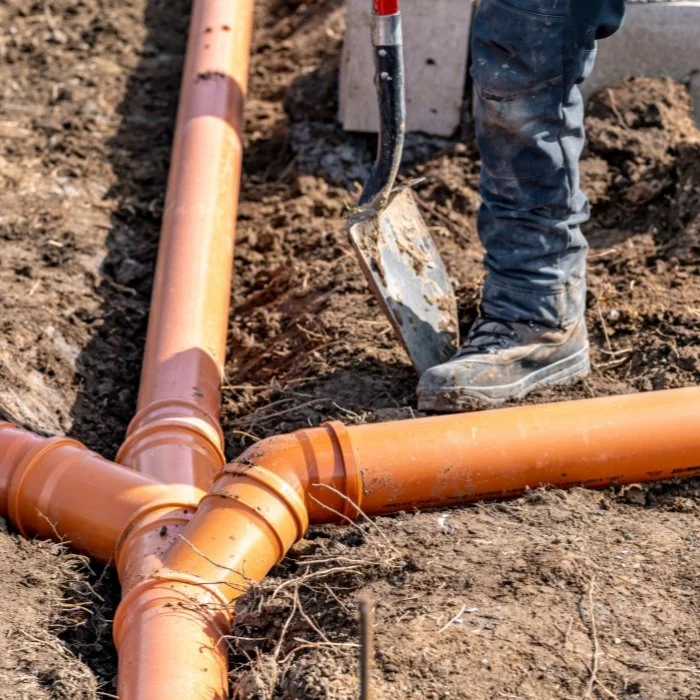
In Colorado, the general rule is straightforward. You — the homeowner — are responsible for the sewer line from your house to the property line. The city or utility district is responsible from the property line to the main sewer in the street.
That boundary matters a lot. A break on your side is your repair bill. A break on the city's side is their problem.
How do you know where the break is? A camera inspection is always the right first step. We run a camera through the line and can pinpoint exactly where the damage is and how far it sits from the house. That answer tells you — and the city — who needs to act.
If the break is on the city's side: Contact the City of Broomfield's Public Works or Utilities department. They will send someone to assess the issue. Do not hire a contractor to dig on the city's side without their authorization.
Your Side vs. City's Side — Quick Reference:
Your responsibility: From the cleanout or foundation wall → to the property line City's responsibility: From the property line → to the public sewer main
If you're not sure where your property line sits or where the break is located, a camera inspection answers both questions quickly.
Repair vs. Replace — Which Makes More Sense?
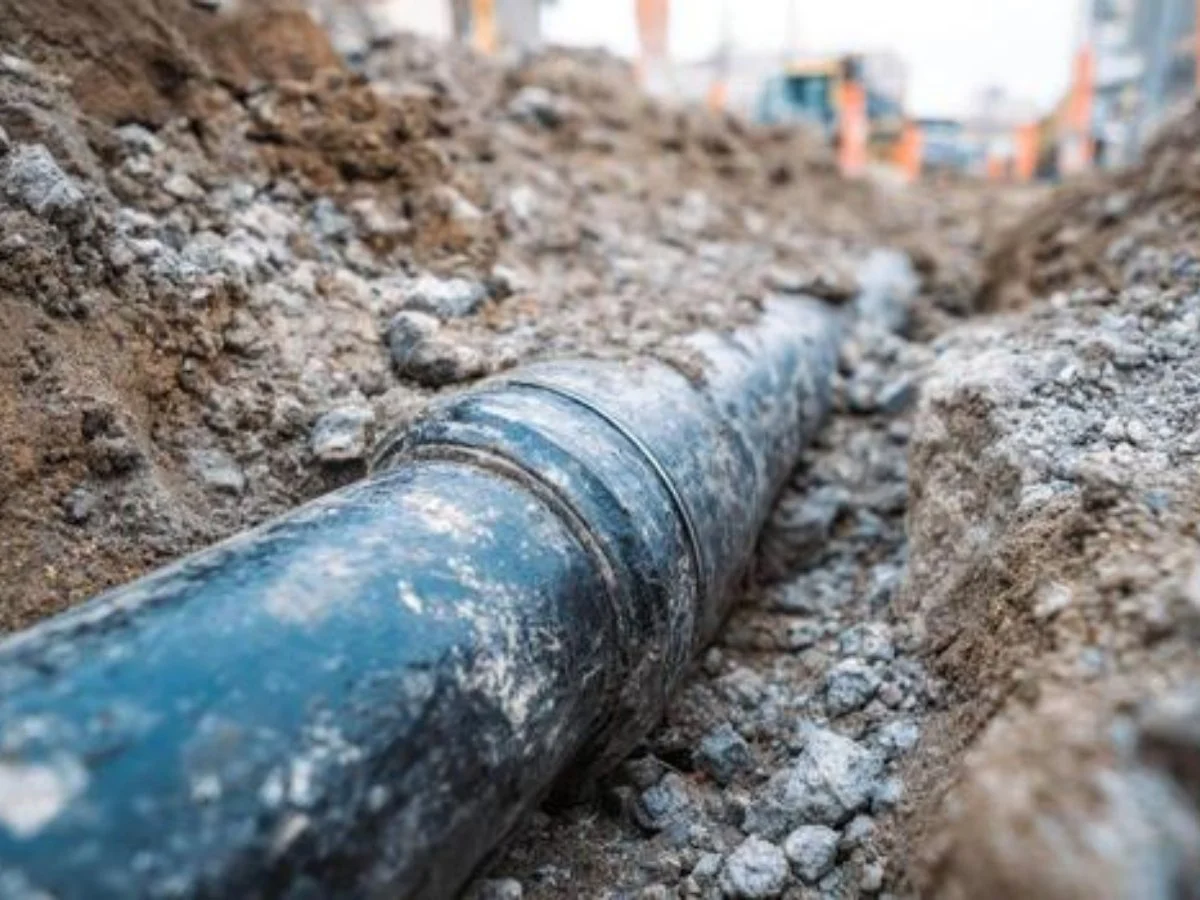
Not every sewer problem needs a full replacement. But trying to patch a line that's past its useful life is a short-term fix that leads to bigger costs down the road.
When repair is enough:
The damage is isolated to one small section
The pipe is less than 20 years old
There's no widespread root intrusion
The rest of the line is in solid shape on camera
When replacement makes more sense:
Root intrusion runs the length of the line
The pipe has collapsed or is severely misaligned
Multiple failures have occurred over a short period
The line is older clay or Orangeburg that's past 40 years
Average sewer pipe lifespan by material:
Clay: 40–60 years
Cast iron: 75–100 years
Orangeburg: 50 years (often less in wet conditions)
PVC: 100+ years
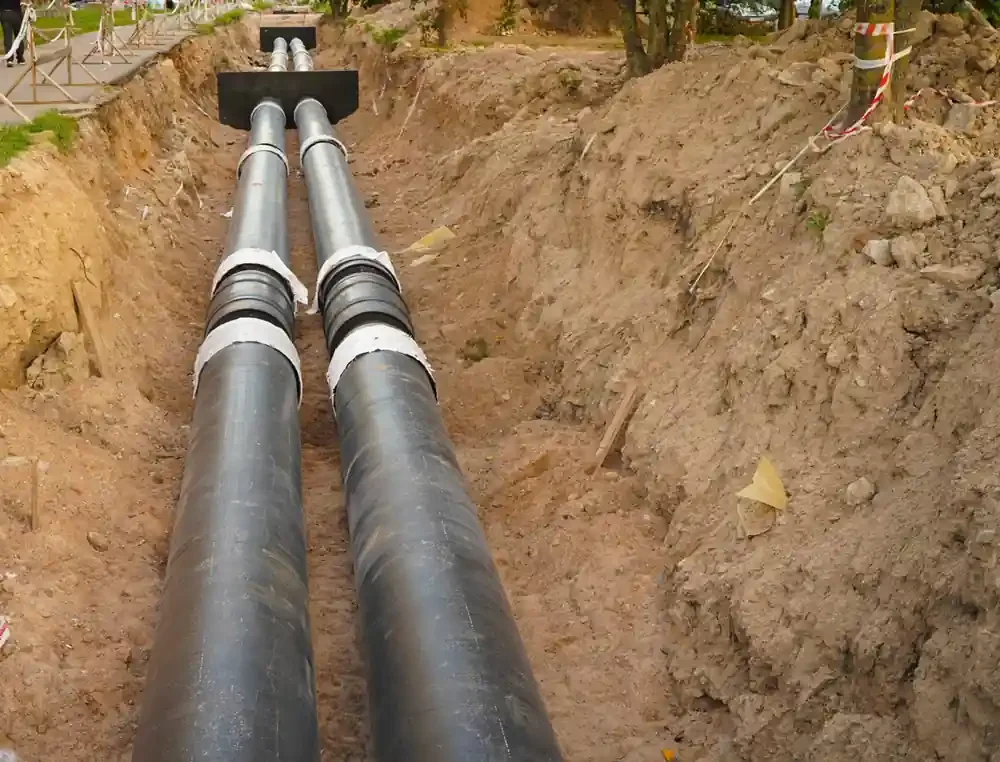
A common rule of thumb is the 50% rule — if the repair cost exceeds 50% of what a full replacement would cost, replacement is usually the smarter investment.
When we run a camera inspection in Broomfield homes built before 1980, we almost always find clay pipe. Clay past 40 years old is usually better replaced than patched — the material has become brittle, and even a successful repair often uncovers the next crack a few feet away.
Repair if:
Isolated damage, newer pipe, single failure point
Replace if:
Widespread damage, clay or Orangeburg pipe over 40 years, repeated failures, root intrusion throughout
How to Get an Accurate Sewer Line Estimate in Broomfield
The best first step is a camera inspection. A licensed plumber runs a small camera through your sewer line and shows you exactly what's happening inside the pipe. In Broomfield, a sewer camera inspection typically costs between $150 and $400. That cost is almost always worth it — it gives you a clear answer instead of a guess.
What to expect during an estimate visit:
A reputable contractor will review the camera footage with you, explain the findings in plain language, and provide a written quote before any work begins. If a plumber gives you a price without seeing the line first, that quote is not reliable.
5 Questions to Ask Before You Hire a Sewer Line Contractor:
Are you licensed in Colorado? (License required — ours is MP.03000945)
Will you pull the required permits for this job?
Can I see the camera footage before you recommend repair or replacement?
Is your quote all-in, including permit fees and restoration?
What warranty do you offer on parts and labor?
Red flags to watch for:
Unusually low quotes with no permit mention
Pressure to sign before reviewing camera footage
No written estimate or itemized breakdown
Contractor who can't provide a Colorado plumbing license number
Local licensing matters here. Sewer work in Broomfield requires permits, and permits require a licensed Colorado plumber. Hiring someone who skips that process can leave you with unpermitted work that complicates home sales and insurance claims down the road.
Ready to Get a Straight Answer?
Schedule your free camera inspection today. Our team at The Drain Cleaning Company is licensed, local, and ready to show you exactly what's in your line — no guesswork, no pressure.
Schedule your sewer line replacement in Broomfield — call (720) 948-4175
The Drain Cleaning Company 7180 W 117th Ave D, Broomfield, CO 80020 (720) 948-4175