

How to Prevent Drain Clogs: What Actually Works (and What Doesn't)
Most drain clogs don't happen overnight — they build up because of a few habits you can easily change. This guide covers what plumbers actually recommend, what home remedies to skip, and when to call for help. Homeowners in Broomfield, CO deal with hard water buildup and older pipe systems that make prevention even more important.
Already dealing with a slow drain? Don't wait. → Drain clog service in Broomfield
You pour grease down the sink once. Then a few times. Then one morning nothing drains and you're standing in a puddle in the shower. Sound familiar?
Knowing how to prevent drain clogs starts with understanding what's actually causing them. This guide breaks down exactly what to do using simple habits and plumber-approved maintenance routines — plus a clear list of what never to put down the drain.
We'll cover the real causes of repeat blockages, which home remedies actually help vs. which ones can damage your pipes, and how Broomfield homeowners can keep drains clear year-round. If things have already gone sideways, we'll tell you when it's time to call in a pro.
Skip the guesswork — talk to a local pro. → Broomfield drain cleaning
What Do Plumbers Recommend to Prevent Drain Clogs?
Plumbers recommend four core habits:
Use a mesh drain strainer in every sink, shower, and tub.
Never pour grease, oil, or fat down any drain — dispose of it in the trash.
Flush drains with hot (not boiling) water after each use.
Schedule a professional drain cleaning once a year, especially in homes with older pipes or hard water.
Skip baking soda-and-vinegar "treatments" — they rarely reach the clog and can damage seals over time. In our Broomfield service calls, hair and grease buildup together is the number one combination we find in problem drains.
Already noticing slow drains? → Drain clog service in Broomfield
Why Your Drains Keep Getting Clogged (The Real Causes)
If your drains slow down or back up again and again, the problem usually isn't bad luck. It's the same habits hitting the same pipes in the same spots. Repeat clogs have repeat causes — and once you know what they are, you can stop them.
| Drain Location | Most Common Clog Cause |
|---|---|
| Kitchen sink | Grease, food scraps, coffee grounds |
| Shower | Hair and soap scum |
| Bathroom sink | Hair, toothpaste, soap buildup |
| Toilet | "Flushable" wipes, paper towel buildup |
| Floor drain | Sediment, mineral scale, debris |
The most common culprits we see are hair and soap scum, grease buildup, so-called "flushable" wipes, food scraps, and hard water mineral scale. Broomfield sits in an area with notably hard water, which means minerals deposit inside your pipes faster than they would in softer water regions. Over time, that scale narrows the pipe opening and makes every other clog worse.
Older homes in Broomfield are also more likely to have narrower or partially corroded pipes. Those pipes clog faster and clear slower than newer lines. In our drain calls across Broomfield, the most common culprit we find is hair and grease combined — two things that bond together and grip the inside of a pipe like glue.
What to Never Put Down the Drain (And Why It Matters)
Some things look harmless going down the drain. They're not. Here's what we tell every customer to keep away from their pipes:
Grease, oil, and fat — These are liquid when hot but solidify inside your pipes as they cool. Even small amounts build up over time into thick blockages.
Coffee grounds — They don't dissolve. They collect at pipe bends and traps and compound every other clog.
"Flushable" wipes, cotton balls, and paper towels — These do not break down the way toilet paper does. They snag on anything inside the pipe and form blockages fast.
Pasta, rice, and starchy foods — These expand when wet. A small amount going down the drain can swell into a dense, sticky clog.
Chemical drain cleaners — These are one of the most misunderstood products homeowners reach for. They can corrode older pipe materials and damage seals over time. They also treat symptoms, not causes, which means the clog comes back — sometimes worse than before.
The short version: if it isn't water, soap, or toilet paper, think twice before it goes down the drain.
Want a plumber to check your drains before a clog happens? → Schedule a drain inspection in Broomfield
Simple Habits That Actually Prevent Drain Clogs
The good news is that most clogs are preventable with a few low-cost habits. None of these require special tools or a lot of time.
5 Habits to Start This Week:
Put a mesh strainer in every drain. This is the single most effective thing you can do. Strainers catch hair, food, and debris before they enter the pipe. They cost a few dollars and take seconds to clean.
Flush drains with hot water after each use. Hot water helps move soap and grease through the pipe before it has a chance to cool and stick. Use hot tap water — not boiling, which can soften PVC pipe joints over time.
Use an enzyme drain treatment once a month. Enzyme-based products are safe for pipes and break down organic buildup — hair, grease, soap scum — before it hardens into a clog. They work slowly, so consistency matters.
Dispose of grease in a container, not the sink. Let it cool, pour it into an old can or jar, and throw it in the trash. Every time.
Wipe pots and pans before washing. A paper towel wipe before the pan hits the sink removes the bulk of grease before it ever reaches your drain.
One tip we give every Broomfield customer after a service call: put a strainer in the shower that same day. Most of the hair clogs we clear could have been caught at the surface with a two-dollar strainer.
Home Remedies — What Works, What's a Myth
There's no shortage of advice online about DIY drain fixes. Some of it helps. Some of it makes things worse. Here's a straight answer on the most common ones:
| Remedy | Verdict | Notes |
|---|---|---|
| Salt down the drain | Myth (mostly) | May help with odor. Does little to nothing for actual blockages. |
| Baking soda + vinegar | Myth | The fizzing reaction looks impressive but dissipates long before it reaches most clogs. Not recommended for clearing blockages. |
| Boiling water | Use with caution | Works on grease clogs in metal pipes. Can soften PVC joints. Use very hot tap water instead — safer and nearly as effective. |
| Enzyme drain products | Works (slowly) | Safe for all pipe types. Best used monthly for prevention, not as a quick fix for an active clog. |
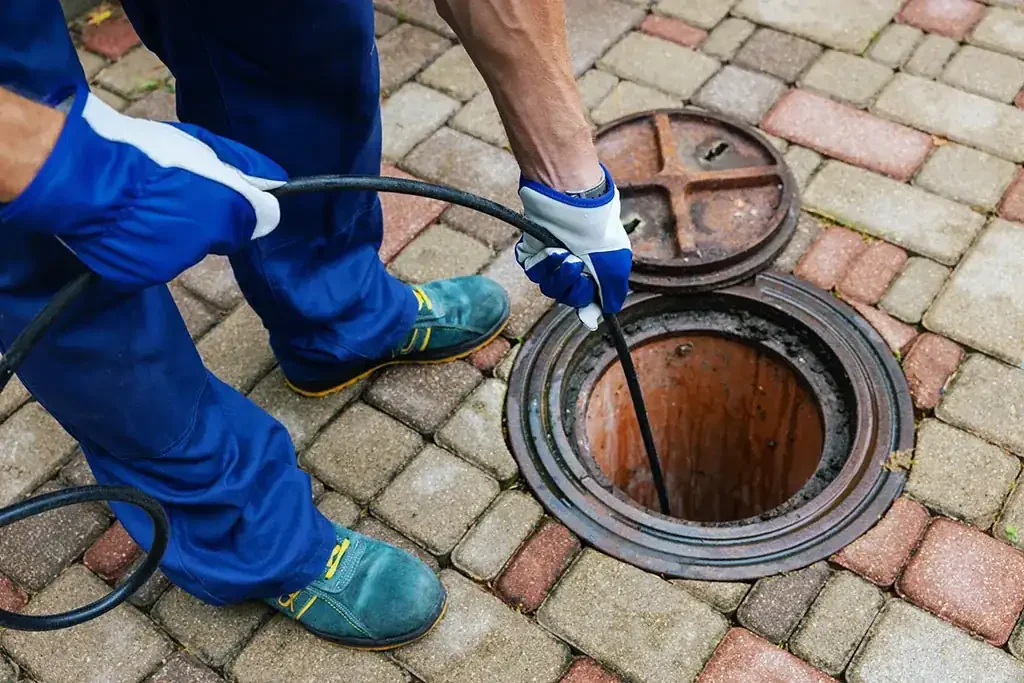
| Mechanical hair removal / drain snake | Works | Faster and more reliable than any liquid for hair clogs. A basic drain snake is a worthwhile tool to have at home. |
What actually dissolves hair in drain pipes? Enzyme-based products will break it down over time, but a drain snake or hair-catching tool pulls it out immediately. For most homeowners, mechanical removal is the better choice.
If you've tried a home remedy twice and the drain is still slow, stop. Two failed attempts usually mean the clog is deeper or larger than a surface fix can reach. That's when it's time for a professional diagnosis.
When to Call a Broomfield Plumber (And What to Expect)
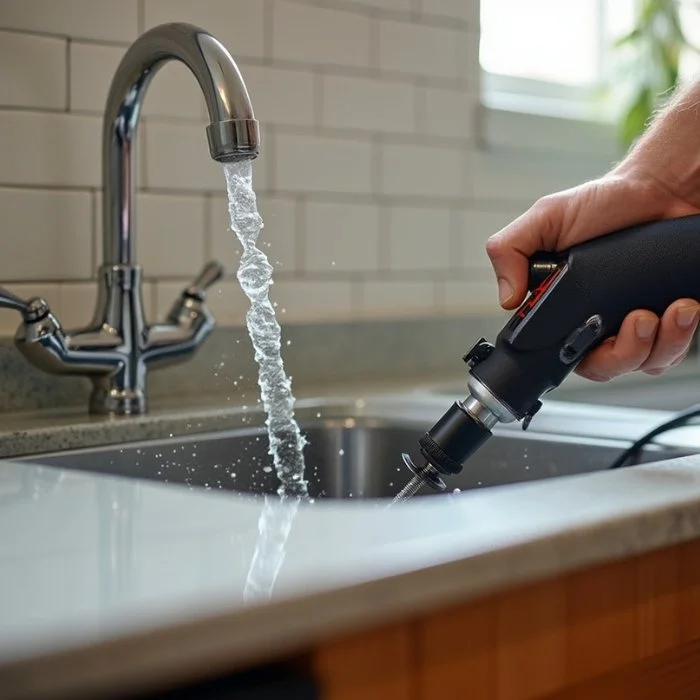
Some drain problems are bigger than any strainer or enzyme treatment can handle. Knowing when to call saves you time, money, and a lot of frustration.
Warning signs it's time to call a plumber:
Multiple drains in your home are slow or backed up at the same time
You hear gurgling sounds coming from drains or your toilet
There's a sewage smell coming from drains
Water is backing up into a tub, shower, or floor drain
You've tried DIY fixes more than once with no lasting result
One slow drain usually means a localized clog — a blockage in that one branch line. Multiple slow drains at the same time often point to a problem in your main sewer line. That's not something a plunger or a bottle of enzyme cleaner will fix.
Annual professional drain cleaning is recommended for most homes, and especially for homes in Broomfield where hard water accelerates mineral buildup inside pipes. A professional cleaning removes buildup before it becomes a blockage.
When we arrive at a Broomfield home for a drain call, here's what the first ten minutes look like: we run water in multiple fixtures to identify the pattern, ask a few quick questions about what's been slow and for how long, and then determine whether the issue is localized or deeper in the line. From there, we use a camera inspection to see exactly what's going on before recommending anything. If the line needs clearing, we use hydro-jetting or mechanical snaking depending on what the camera shows — not guesswork, not chemicals.
If your drains are already slow, we can help. Call a Broomfield plumber at The Drain Cleaning Company: (720) 948-4175
The Drain Cleaning Company
7180 W 117th Ave D, Broomfield, CO 80020 (720) 948-4175 License No. MP.03000945