

Sewer Line Damage in Colorado: Signs, Costs, and What to Do Next
Sewer line damage in Colorado can go from a slow drain to a flooded yard in days — here is how to catch it early. This guide covers the warning signs, what insurance usually pays, and what replacement costs look like in the Broomfield area.
Think you have a sewer problem? Get a free sewer inspection in Broomfield
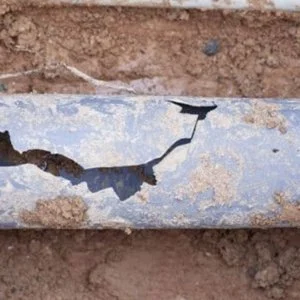
Introduction
A sewer line failure is one of the most expensive surprises a Colorado homeowner can face. Most people do not see it coming until the damage is already done.
If your toilets are gurgling, your yard smells off, or your drains keep backing up — your sewer line may be trying to tell you something. This guide explains everything you need to know about sewer line damage in Colorado. We cover the earliest warning signs, what typically causes it here, how insurance works, and what Broomfield homeowners should expect to pay.
In our years serving Broomfield, the most common call we get is from homeowners who waited too long. A problem that could have been a $1,500 repair turns into a full replacement. The sooner you get a camera inspection, the better your options.
What Are the Signs of Sewer Line Damage in Colorado?
Common signs of sewer line damage include slow or gurgling drains, sewage odors inside or outside your home, wet spots or unusually green patches in your yard, and recurring drain backups. In Colorado, tree root intrusion and freeze-thaw ground movement are leading causes that can speed up pipe failure. If you notice two or more of these signs at once, treat it as an urgent problem — not a wait-and-see situation.
Seeing these signs in Broomfield? → Get a free sewer inspection in Broomfield
What Causes Sewer Line Damage in Colorado?
Colorado's climate and soil create specific conditions that wear down sewer lines faster than homeowners expect. Understanding the causes can help you catch problems early.
Colorado's clay-heavy soils expand when wet and compress when dry. That constant pressure works against your pipes year-round. When the soil shifts, it pushes on older clay and cast iron lines until they crack.
Freeze-thaw cycles are another major factor. Colorado winters put underground pipes through repeated stress. Water freezes, expands, and thaws — cracking older pipe materials over time.
| Cause | How Common in Colorado |
|---|---|
| Clay soil pressure and movement | Very common along the Front Range |
| Freeze-thaw cracking | Common; worsens with older pipe materials |
| Tree root intrusion | Common; cottonwood and willow are frequent culprits |
| Aging pipe infrastructure | High risk in Broomfield homes built in the 1970s–1990s |
| Grease and debris buildup | Moderate; accelerates existing damage |
Many Broomfield homes built between the 1970s and 1990s have pipes that are at or near the end of their useful life. Clay and cast iron lines last roughly 50–60 years under ideal conditions. Colorado's conditions are rarely ideal.
Four Warning Signs Your Sewer Line May Be Damaged
Knowing what to look for can save you thousands of dollars. Here are the four signs we see most often when we inspect homes in Broomfield.
Slow or gurgling drains — especially when multiple fixtures back up at the same time. One slow sink might be a simple clog. Multiple slow drains point to the main line.
Sewage smell indoors or in the yard — a rotten egg or sulfur odor is a clear signal. Healthy sewer systems are sealed. Odors mean something has failed.
Soggy, sunken, or unusually green grass — a patch of lawn that stays wet or grows faster than the rest is often sitting over a leaking sewer line. The sewage acts as fertilizer.
Recurring backups in the lowest-level fixtures — if your basement toilet or shower keeps backing up, water is being pushed back from below. That is a main line problem.
One of our Broomfield clients noticed gurgling drains for about six months before calling us. By the time we ran the camera, root intrusion had collapsed nearly 40% of the line. What could have been a targeted repair required full replacement.
If you spot two or more of these signs, do not wait. Spotted one or more of those signs? Here's how to decide if you need to act today — or if you have a little time.
Is Sewer Line Damage an Emergency?
Some sewer problems need same-day attention. Others give you a short window to schedule a repair. Here is how to tell the difference.
Act immediately if:
Sewage is backing up into your home's living spaces
You smell strong sulfur or gas odors near drains or in the yard
The ground over your sewer line is actively sinking or collapsing
Raw sewage is surfacing in your yard
You may have a short window if:
You have one slow drain with no odor or backup
The gurgling is mild and limited to one fixture
There are no wet spots in the yard
The risk of waiting is real. Once sewage reaches soil or your home's foundation, you are looking at potential mold, structural damage, and contamination cleanup — on top of the pipe repair. Costs multiply fast. Colorado health regulations may also require prompt repair when sewage reaches the surface.
When in doubt, get a camera inspection. It is low-cost, takes about an hour, and removes all the guesswork.
Not sure if it's urgent? We do camera inspections same-day in Broomfield. → [same-day sewer inspection Broomfield]
Once you know it's urgent, the next question almost every homeowner asks is: will insurance cover any of this?
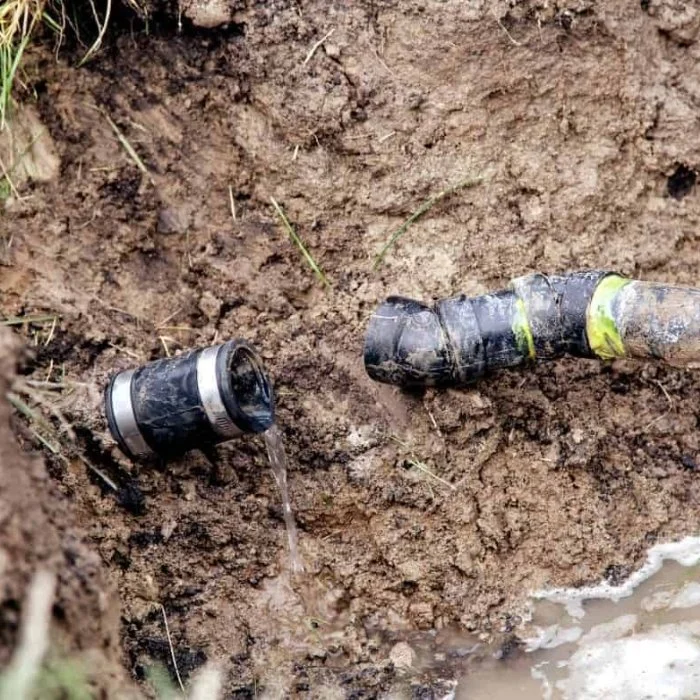
Does Homeowners Insurance Cover Sewer Line Damage in Colorado?
The short answer is: it depends — and most standard policies cover less than homeowners expect.
What a standard HO-3 policy typically does NOT cover:
Damage caused by age, wear, or gradual deterioration
Tree root intrusion
Pipe corrosion
Freeze-thaw cracking due to lack of maintenance
Sewer backup damage (unless you added an endorsement)
What may be covered:
Sudden and accidental damage — for example, a pipe that bursts due to a covered peril like a vehicle impact or certain storm events.
Interior water damage from a sudden sewer backup, if you have a sewer backup endorsement.
| Scenario | Typically Covered? |
|---|---|
| Root intrusion damages your pipe | No |
| Pipe cracks gradually from soil movement | No |
| Sudden pipe collapse from a covered peril | Possibly — check your policy |
| Interior damage from a sewer backup | Only with a backup endorsement |
| Service line replacement (buried utility) | Only with a service line add-on |
Two endorsements worth asking your insurer about:
Sewer backup endorsement — covers interior water damage caused by a backup. Does not pay for pipe repair itself. Typically costs $50–$100 per year.
Service line/buried utility coverage — covers the actual underground pipe. Can cover root damage, corrosion, and freeze-thaw cracking. Often costs $30–$70 per year and provides limits of $10,000–$20,000.
If your home is more than 20 years old, adding service line coverage is worth a conversation with your agent.
Practical steps before any repair work starts:
Call your insurer first and document everything with photos.
Do not begin excavation before a claim is opened — it can affect your coverage.
Ask your insurer specifically about buried utility line coverage.
We provide detailed camera inspection reports that are useful when working with insurance adjusters on sewer claims. Whether insurance helps or not, you will still want to know what you are looking at cost-wise. Here is what Colorado homeowners actually pay.
What Does Sewer Line Repair or Replacement Cost in Colorado?
Sewer line costs in Colorado are on the higher end of national averages. Clay soil, deep frost lines, and a tight labor market all affect your final number.
Typical repair and replacement ranges:
Partial repairs for isolated damage usually run $1,000–$4,000, depending on the type of repair and how much pipe is involved.
Full replacement in the Denver metro area generally ranges from $3,500 to $25,000.
Most Broomfield homeowners pay between $4,000–$10,000 for a standard residential replacement, depending on pipe depth, length, and access.
What affects your final quote:
Pipe depth — Broomfield sewer lines often run 4–8 feet deep. Deeper lines cost more to access.
Pipe material — PVC replacement runs $3–$5 per linear foot in materials. Removing older clay or cast iron adds labor.
Access and obstacles — lines under driveways or concrete require breaking and restoring hardscape.
Repair method — trenchless vs. traditional excavation changes the cost structure significantly.
| Method | Typical Cost Range | Best For |
|---|---|---|
| Traditional excavation | $3,500–$25,000 | Collapsed or severely damaged lines |
| Trenchless pipe lining (CIPP) | $6,000–$12,000 | Cracked or root-intruded lines with structural integrity |
| Trenchless pipe bursting | $6,000–$12,000 | Full replacement without open trench |
Trenchless methods typically cost more per linear foot but save on yard restoration, concrete repair, and landscaping — which can add thousands to a traditional excavation job.
Permit costs:
Sewer work in Broomfield requires permits. Budget $400–$1,000 for permits, inspections, and administrative fees depending on project scope.
A note on camera inspections:
A video inspection ($200–$500) is almost always worth it before any repair decision. It shows exactly what is wrong, where it is, and which repair method will work. Skipping it usually costs more in the long run.
Want a real number for your home? → Get a free sewer line estimate in Broomfield
See why Broomfield homeowners trust The Drain Cleaning Company for sewer line replacement → see our Broomfield reviews on Google
The Drain Cleaning Company 7180 W 117th Ave D, Broomfield, CO 80020 (720) 948-4175 License: MP.03000945