

Top Alternatives to Full Sewer Line Replacement for Broomfield, CO Homeowners
A full sewer line replacement can cost Broomfield homeowners anywhere from $3,000 to $25,000 or more. Most people don't know there are faster, less expensive options that skip the big dig entirely. This guide covers the top alternatives to full sewer line replacement for Broomfield, CO homeowners — so you can make a smart decision before signing anything.
We'll walk through how each repair method works, when it makes sense, what it costs, and when replacement really is the right call. By the end, you'll know exactly what to ask your contractor.
The Drain Cleaning Company is a veteran-owned, licensed plumbing company based right here in Broomfield (License No. MP.03000945). We've diagnosed hundreds of sewer problems across the Front Range, and we're going to give you the same honest breakdown we give every homeowner we work with.
If you've already been told you need a full replacement, you may want to read sewer line replacement in Broomfield to understand exactly what that process involves — and whether it's really your only option.
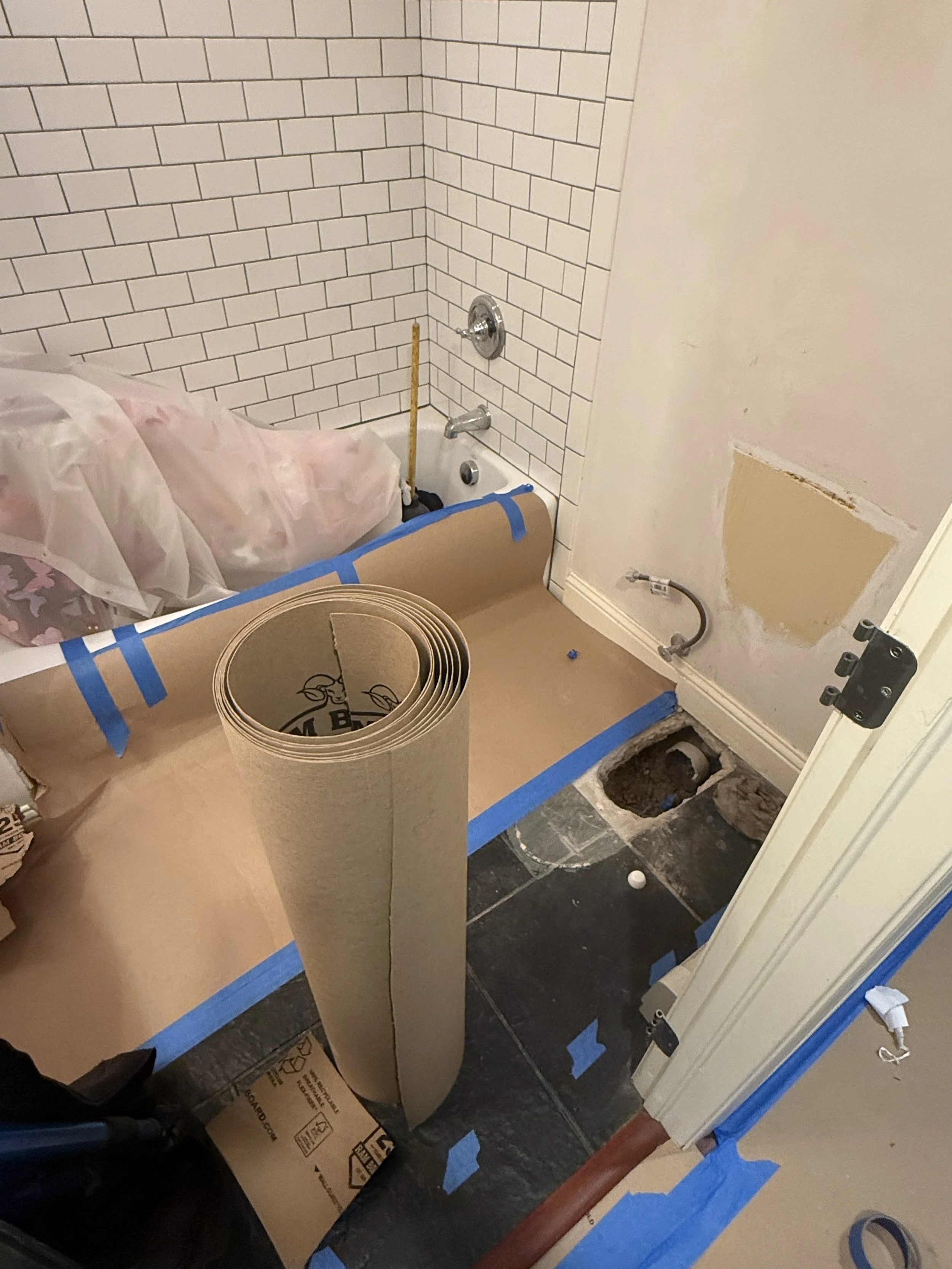
What Are the Alternatives to Full Sewer Line Replacement in Broomfield, CO?
Broomfield, CO homeowners facing sewer problems have several alternatives to full line replacement:
Pipe lining (CIPP): A flexible liner is inserted and cured inside the old pipe, sealing cracks and blocking root intrusion — no digging required.
Pipe bursting: A new pipe is pulled through while the old one is broken apart underground. Minimal surface disruption, major results.
Spot repair: Only the damaged section is replaced, not the entire line.
Hydro jetting: High-pressure water clears blockages and buildup, restoring flow without excavation.
The right option depends on pipe material, damage type, and how much of the line is affected. A camera inspection is the best first step — it tells you exactly what you're dealing with before spending a dollar on repairs.
Not sure if repair is even an option? See our guide to sewer line replacement in Broomfield to understand when replacement is the smarter call.
What Causes Sewer Line Problems in Broomfield, CO?
Broomfield sits on expansive clay soils that swell when wet and shrink when dry. That constant movement puts stress on underground pipes — especially older ones that weren't built to flex. Homes built before 1980 in Broomfield are likely running clay, orangeburg, or cast iron pipe. None of those materials age well under Colorado's freeze-thaw cycles.
Root intrusion is the other big one. Mature trees send roots toward any moisture source they can find, and a leaking sewer joint is an open invitation. Once roots get in, they grow fast. They crack the pipe wider, trap debris, and eventually block flow entirely.
The type of damage and the age of your pipe determine whether repair or replacement makes sense. A pipe with one cracked section is a very different problem than a pipe that's been root-invaded along its entire run.
In our experience on Broomfield calls, root intrusion in clay pipes is the most common diagnosis we see in homes built before 1985. Most of the time, homeowners had no idea until drains started backing up — because these problems build slowly underground, out of sight.
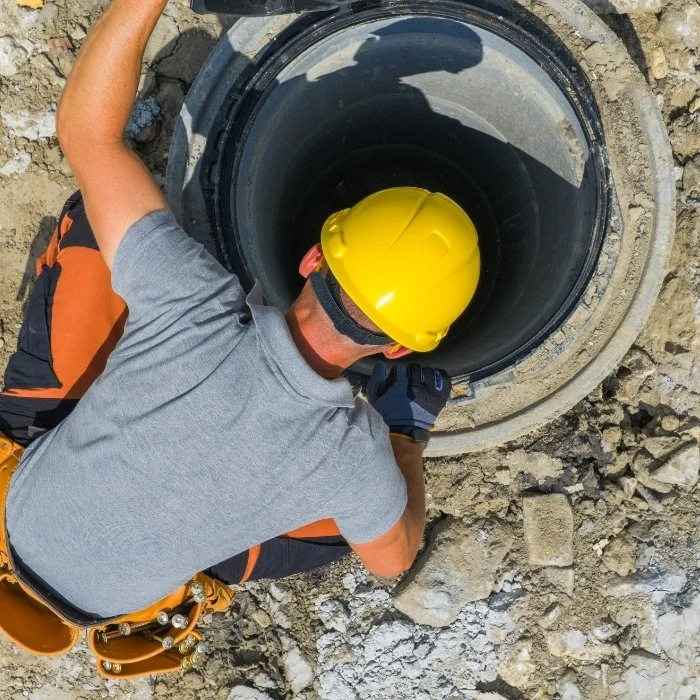
Pipe Lining (CIPP) — The Most Popular No-Dig Option
CIPP stands for Cured-In-Place Pipe. It's the most widely used trenchless repair method, and for good reason — it works on most residential sewer lines without any major excavation.
Here's how it works:
We run a camera through the pipe to confirm it's a good candidate for lining.
A flexible liner soaked in epoxy resin is pulled or inverted into the damaged pipe.
Heat or UV light cures the resin, hardening the liner against the inside of the old pipe.
The result is a smooth, sealed pipe inside a pipe — roots out, cracks sealed, flow restored.
CIPP lining works best when the pipe is cracked, root-infiltrated, or corroded but still mostly intact — meaning it hasn't fully collapsed. A quality liner can last 50 years or more. And the cost is typically well below what you'd pay for open-cut replacement, especially once you factor in landscaping, concrete, and restoration work that full excavation requires.
But it's not right for every situation. If the pipe has already collapsed or the damage is too severe, lining won't give you the seal you need. Want to compare what the full alternative looks like? Here's what Broomfield sewer line replacement services actually involve.
Pipe Bursting — When You Need a New Pipe Without the Big Dig
Pipe bursting is the method for pipes that are too far gone for lining. If the line has collapsed sections, is severely degraded, or simply won't accept a liner, bursting gives you a brand-new pipe without open-trench excavation.
Here's how it works:
A bursting head is pulled through the old pipe using a cable.
As it moves, it fractures the old pipe outward into the surrounding soil.
A new HDPE pipe is pulled in behind it simultaneously.
You still need small access pits at each end — but that's a far cry from digging up your entire yard or driveway. The disruption is much lower than traditional open-cut replacement.
There are limits, though. Sharp bends in the pipe run and certain soil conditions can make bursting impractical. And not every pipe configuration allows for the cable pull. A camera inspection tells you fast whether your line is a good bursting candidate.
Pipe Lining vs. Pipe Bursting — Quick Comparison
| Pipe Lining (CIPP) | Pipe Bursting | |
|---|---|---|
| Best for | Cracked or root-invaded but intact pipe | Collapsed or severely degraded pipe |
| Excavation needed | None (access cleanout only) | Small access pits at each end |
| New pipe installed? | No — liner bonds inside existing pipe | Yes — entirely new pipe pulled through |
| Pipe bends OK? | Usually | Can be limited by sharp bends |
| Typical disruption | Very low | Low to moderate |
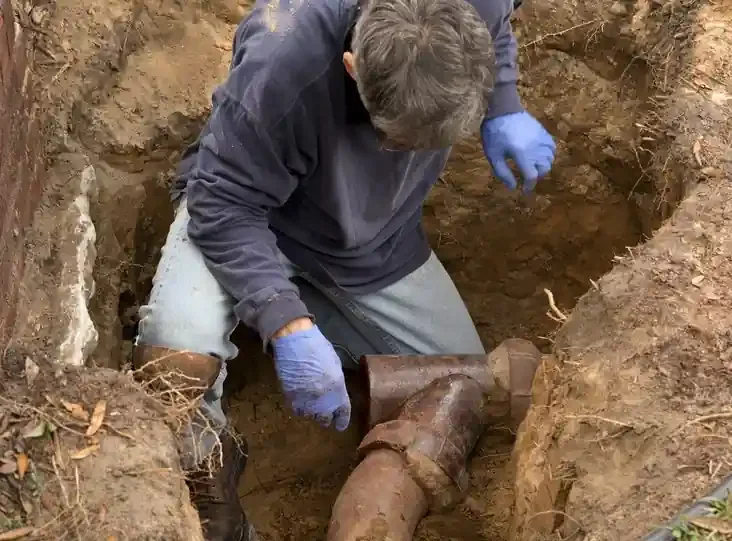
Spot Repair and Hydro Jetting — Targeted Fixes for Limited Damage
Not every sewer problem is a full-line issue. Sometimes the damage is isolated to a short section — and that's where spot repair comes in.
Spot repair means excavating just the damaged section, cutting it out, and replacing 2 to 5 feet of pipe. It's still a dig, but a small one. This approach works well when a camera inspection shows a single break, offset joint, or root intrusion point that isn't repeated along the rest of the line.
Hydro jetting is different. It's a high-pressure water blast — sometimes reaching 4,000 PSI — that clears grease buildup, scale, and root debris from inside the pipe. It restores flow. But it doesn't fix structural damage. Think of it as cleaning, not repairing.
Signs hydro jetting is enough:
Slow drains with no history of backups
Grease or soap buildup in a kitchen or utility line
Roots cleared but the pipe is still structurally sound on camera
A maintenance cleaning between full inspections
We often recommend hydro jetting as a diagnostic step. If flow returns to normal and the camera shows the pipe is structurally sound, a homeowner may not need any repair at all. So it's worth doing the jet first — it can save you from spending money you don't need to spend.
How Much Do These Alternatives Cost vs. Full Replacement?
Here's an honest look at what each method typically runs. These are ranges — your actual cost depends on pipe length, depth, access, and local permit requirements in Broomfield and Adams County.
| Method | Avg. Cost Range | Disruption Level | Best For |
|---|---|---|---|
| Hydro Jetting | $300 – $600 | None | Buildup, grease, minor roots |
| Spot Repair | $1,000 – $3,000 | Small excavation | Isolated 2–5 ft damage |
| CIPP Lining | $80 – $250 per linear ft | None | Cracked or root-invaded intact pipe |
| Pipe Bursting | $60 – $200 per linear ft | Small access pits | Collapsed or degraded pipe |
| Full Replacement | $3,000 – $25,000+ | Full excavation | Widespread structural failure |
A few factors push the number up in Broomfield specifically: deeper pipe runs (common in older neighborhoods north of 120th Ave), concrete flatwork over the line, and permits through Adams County or the City of Broomfield. Always get a line item breakdown before work starts.
On insurance: most standard homeowner policies don't cover sewer line repair unless you've added a service line rider. Colorado homeowners should check their policy language or call their carrier directly before assuming coverage applies.
The math on "repair now vs. replace now" matters too. A $1,500 spot repair might make sense for a 5-year-old pipe. But if your clay sewer from 1972 needs its third spot repair, you're likely spending more over time than a one-time Broomfield sewer line replacement would have cost two repairs ago.
When Full Sewer Line Replacement in Broomfield Is the Right Call
Sometimes repair isn't the right answer. And when that's the case, we'll tell you straight.
Red flags that point to full replacement:
Multiple collapse points along the line
Severe pipe belly (sagging section where waste pools and won't drain)
Significant misalignment at joints — more than a liner can bridge
Repeated failures within a few years on the same line
Pipe material that's beyond its useful life (orangeburg especially)
Age and material matter a lot here. A cast iron pipe from 1968 that's root-invaded along 80% of its run is not a good lining candidate — the underlying material can't hold the liner long-term. Spending $4,000 on a liner that fails in five years is not a win.
A sewer camera inspection in Broomfield is how you get a definitive answer. We use PACP (Pipeline Assessment and Certification Program) standards to rate what we find — it's not a gut call, it's a documented condition score. You see the footage. We walk you through what it means.
When we run a camera on a pipe and find more than 50% of the run has structural compromise, we'll tell a homeowner straight: repair is money you'll spend twice. That's not a sales pitch for replacement — it's math. And you'll see exactly why on the footage before we recommend anything.
So if you're past the point where alternatives make sense, here's what to expect: full sewer line replacement in Broomfield, CO.
Talk to a Broomfield Sewer Expert Before You Decide
Most Broomfield homeowners facing sewer problems have real options beyond full replacement. The key is knowing which one fits your situation — and that starts with a camera inspection, not a guess.
A camera inspection is the fastest way to find out whether you need a liner, a burst, a spot fix, or a full replacement. It takes the guesswork out and gives you something to compare bids against.
The Drain Cleaning Company serves Broomfield and the surrounding Denver metro area. We're local, licensed (MP.03000945), and veteran-owned. When you call us, you get the camera footage, a plain-language explanation of what we found, and a price before any work starts.
Ready to know what you're actually dealing with? Call us at (720) 948-4175 or talk to a Broomfield sewer line replacement specialist to schedule your inspection.
The Drain Cleaning Company 7180 W 117th Ave D, Broomfield, CO 80020 (720) 948-4175 Available 7am–10pm, 7 days a week
Save the number of a reliable emergency plumber Broomfield CO before you need one: (720) 948-4175.
